Oily hair shows greasy, darkened roots that lie flat against your scalp within 12-24 hours after washing. You’ll notice a sticky feel and concentrated shine at the roots, while strands clump together and lose natural bounce.
The tissue test involves pressing one against your scalp to reveal an oily spot. This happens because sebum coats each hair strand, weighing it down and reducing separation.
Understanding what’s actually triggering this pattern helps you tackle the real problem.
What Does Oily Hair Actually Look Like?
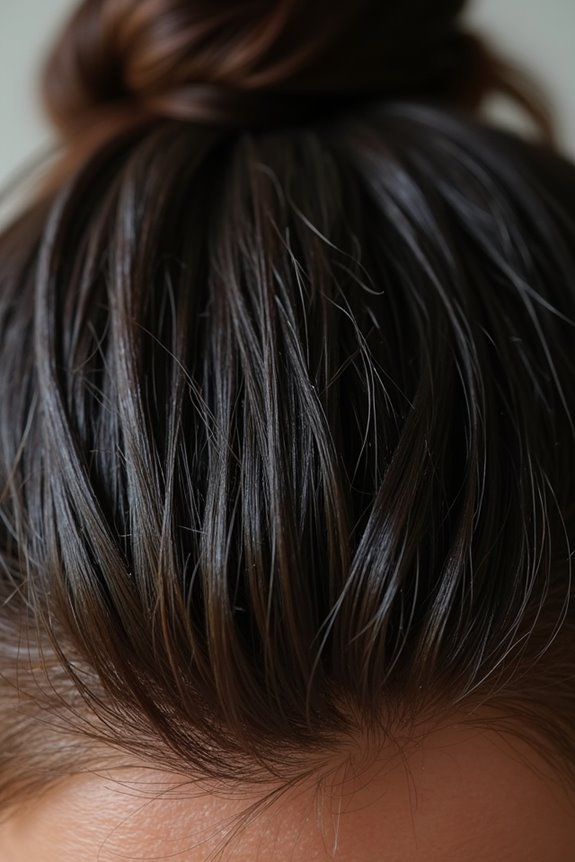
When you’ve got oily hair, it’s pretty unmistakable. Your greasy roots appear noticeably darker than the rest of your strands, clumping together from sebum buildup. That shiny hair effect happens around your scalp while the rest feels sticky or slick to the touch.
Your hair texture suffers too. Once-bouncy strands become limp and weighed down, losing their natural volume. Face-framing pieces look stringy and dull despite that diffuse shine across your oily scalp.
The oil buildup creates a wet-looking appearance even when your hair’s completely dry. You might notice visible oil spots on your pillowcase or tissues. Your hair sticks together in clumps rather than flowing separately.
This combination of flat roots, sticky texture, and that characteristic shine tells you exactly what you’re dealing with: oily hair that needs attention.
Visual Signs of Oily Hair at the Roots and Scalp
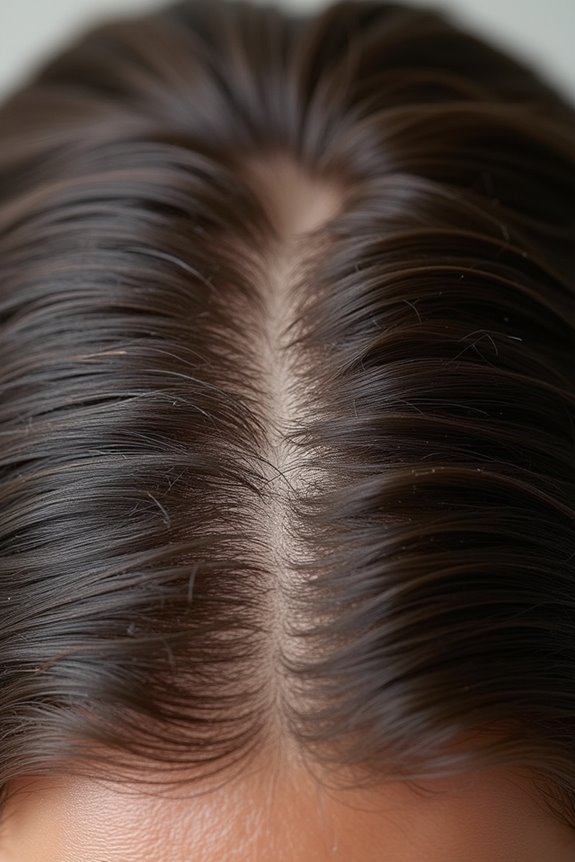
When you have oily hair, the telltale signs appear first at your roots and scalp, where sebum production is highest. You’ll notice your hair lying flat against your scalp, clumping together in stringy strands, and your scalp showing darkened patches or a shiny slick rather than an even shine. Running your fingers through the root area will feel distinctly greasy, and you’ll probably see less volume at your crown where the oil weighs everything down.
Root Oiliness and Greasiness
How do you spot oily roots? Look for greasy, shiny roots that make your hair feel heavy and flat. Root oiliness happens when your scalp produces excess sebum buildup, which weighs down strands and reduces natural volume and bounce.
When you run your fingers through your hair, your scalp may feel slick to the touch. You’ll notice greasiness concentrates at the roots, creating a diffuse shine right at your scalp rather than throughout your hair length. Hair near the roots often appears darker under lighting because of sebum accumulation.
Try this simple test: press a tissue against your scalp. If it leaves an oily spot, you’re experiencing root oiliness. Recognizing these visual signs helps you identify when you’re dealing with oil production issues and need to adjust your hair care routine.
Scalp Texture and Appearance
Your scalp’s texture and appearance reveal a lot about your oil production. When sebum buildup occurs, your scalp develops a distinctly shiny, glossy finish. You’ll notice this shine concentrated at your roots, creating a slick appearance that contrasts sharply with dryness at your ends.
Run your fingers through your hair near the scalp. Does it feel sticky or slick? That tactile sensation signals excess oiliness. Your hair strands clump together around the roots, reducing natural bounce and movement.
Visually, you might observe darker, oilier roots beneath lighter ends. This occurs because sebum weighs down hair close to the scalp while leaving lengths dry. Understanding these scalp texture changes helps you identify your hair’s true needs and choose appropriate treatments.
How Oily Hair Feels and Behaves Throughout the Day
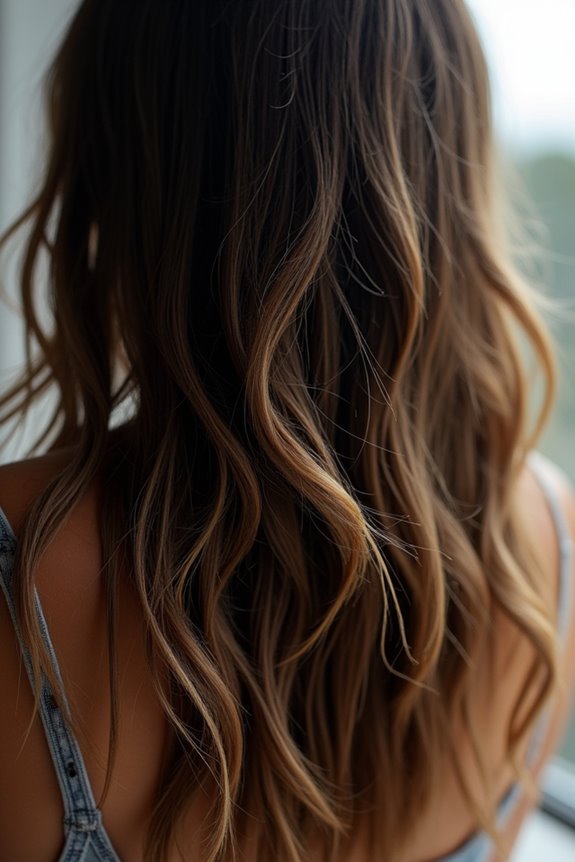
Ever notice how your hair transforms from fresh to greasy within hours? That’s scalp oil at work. Your roots develop a greasy appearance as sebum buildup accumulates, making them stick together and lie flat against your head.
Within 12 to 24 hours after wash day, you’ll likely notice this shift. The oily hair feel becomes sticky or slick when you touch it. Your hair loses its natural bounce, appearing limp overall.
Several factors accelerate this process: frequent touching, heavy styling products, and dirty brushes worsen the hair texture throughout your day. Hormonal changes, diet, and environment also play roles.
Understanding these patterns helps you manage your scalp oil effectively and choose appropriate wash day timing for your needs.
Shiny Hair vs. Oily Hair: Know the Difference
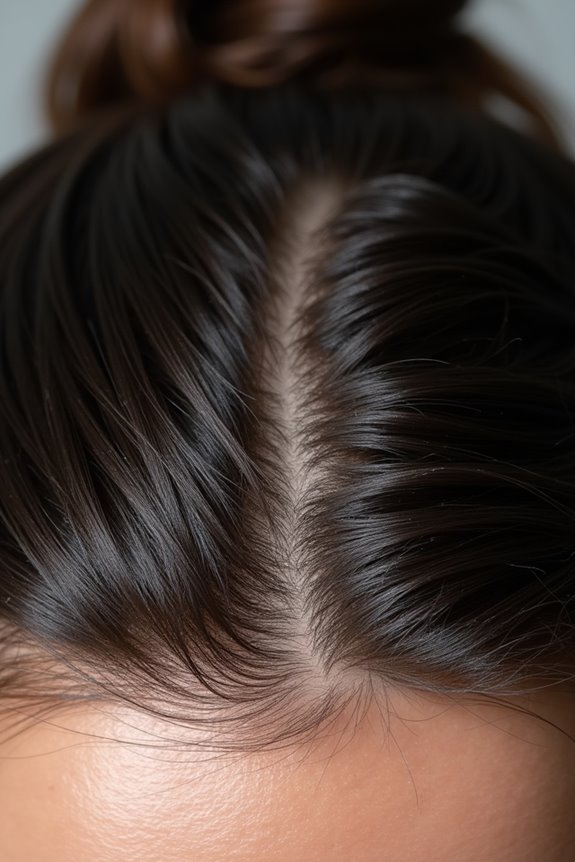
Distinguishing between healthy shine and actual greasiness can be tricky. I’ll help you tell them apart.
Shiny hair reflects light evenly across your strands when they’re clean and oil balanced. You’ll notice this natural glow without greasy roots or an oily scalp.
Oily hair looks different. The buildup concentrates at your roots, creating that dark, slick appearance. You might notice root clumping where strands stick together in clumps.
Here’s the key difference: genuine shine doesn’t feel sticky or weighed down. Oily hair does. Touch your roots. Do they feel slick and sticky? That’s greasiness.
Your wash frequency matters too. If you’re washing every day or every other day, you’re likely dealing with actual buildup rather than just healthy shine. Understanding this distinction helps you choose the right hair care approach.
Why Oily Hair Falls Flat
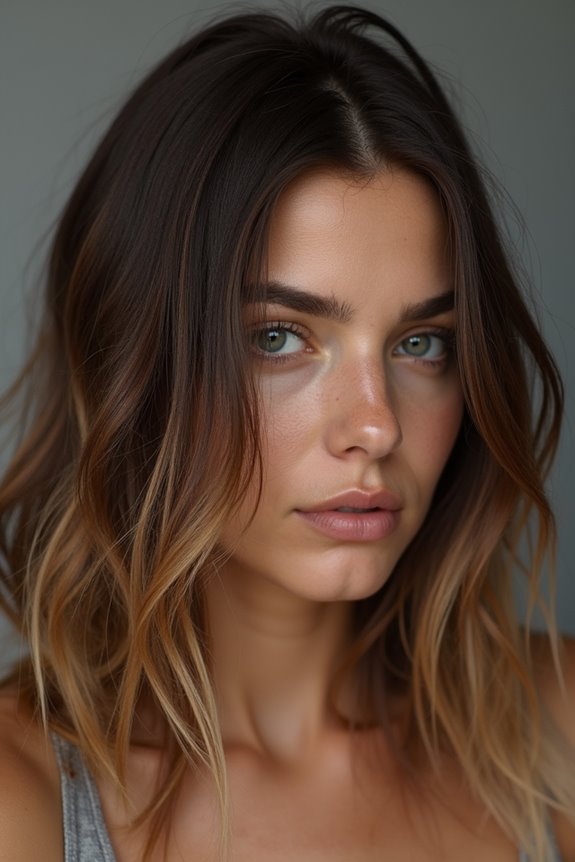
When sebum builds up on your roots, it weighs down your hair strands and crushes the volume you’d normally have. This oil disrupts your hair’s natural structure in several ways. The sebum coats each strand, preventing it from standing upright at the root. This coating also reduces friction between hairs, so they clump together rather than maintain separation and lift. Additionally, the weight of accumulated oil pulls strands downward, collapsing any natural texture or body. Understanding how sebum interferes with your hair’s ability to hold its shape explains why that flat appearance develops and persists until the excess oil is removed.
Oil Weight And Volume Loss
Why does your hair lose its bounce as the day goes on? Sebum buildup at your scalp creates oil weight that pulls your roots down. This weighed-down effect flattens your hair against your head, stealing the lift you had this morning.
When excess sebum accumulates, it coats each strand. Your hair can’t stand up naturally anymore. That greasy appearance isn’t just visual; it’s physical. The scalp buildup literally prevents volume from forming.
You’ll notice limp hair especially at your roots. Your face-framing strands clump together instead of flowing separately. Even your ends start looking dull and lifeless because oil travels down the hair shaft.
The result is volume loss that makes styling nearly impossible. Your hair lies flat no matter what you do.
Sebum’s Impact On Hair Structure
Sebum’s Impact On Hair Structure
The oil buildup you’ve noticed pulling your hair down doesn’t just sit on your scalp; it fundamentally changes how your hair behaves. Sebum coats each strand, altering its natural structure and elasticity. Your hair loses its ability to stand upright at the roots when greasiness sets in. The oil travels down your hair shaft, creating clumping and reducing the healthy appearance you want.
| Hair Issue | What Happens |
|---|---|
| Roots greasiness | Hair weighs down immediately |
| Oil coating | Strands lose natural bounce |
| Scalp oil buildup | Limpness increases over time |
| Hair texture changes | Clumping becomes visible |
| Shine loss | Dull, sticky appearance |
Understanding sebum’s impact helps you address the real problem. Your hair texture suffers when excess oil disrupts its structure, leaving you with limp, flat results that resist styling.
How Fast Does Oily Hair Look Dirty After Washing?
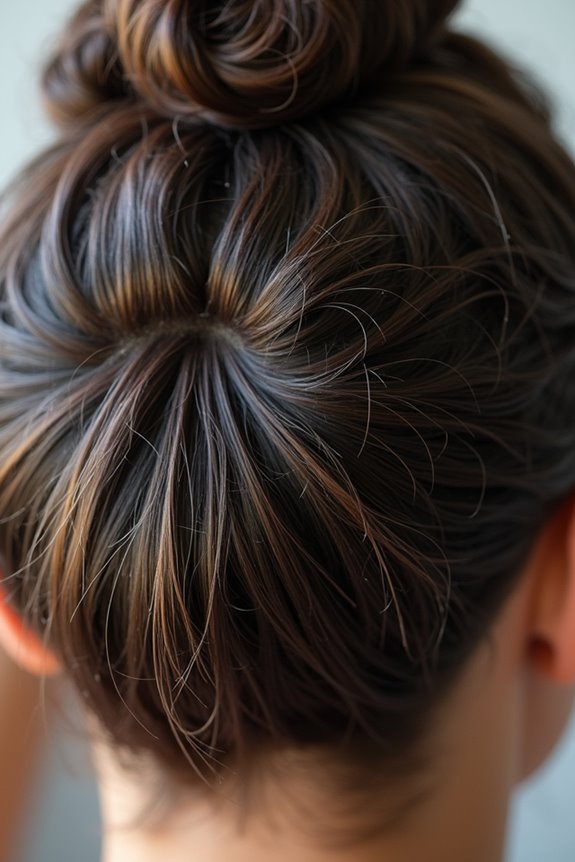
Just how quickly does that fresh-from-the-shower feeling disappear? For most people, greasy roots emerge within 12 to 24 hours after washing. If you have oil-prone hair, you’ll notice the change even sooner.
Your scalp oil production kicks into high gear right away. You might see oil slicks forming at your roots or strands clumping together from excess sebum. The rest of your hair may feel relatively lighter, but that slick sensation at the scalp tells the story.
Heavy styling products and harsh sulfates accelerate this process significantly. Over time, continued oil buildup causes hair to lie flat and lose bounce. Understanding your washing frequency helps you manage this cycle and maintain that just-washed look longer.
Do Different Hair Types Get Oily Faster?
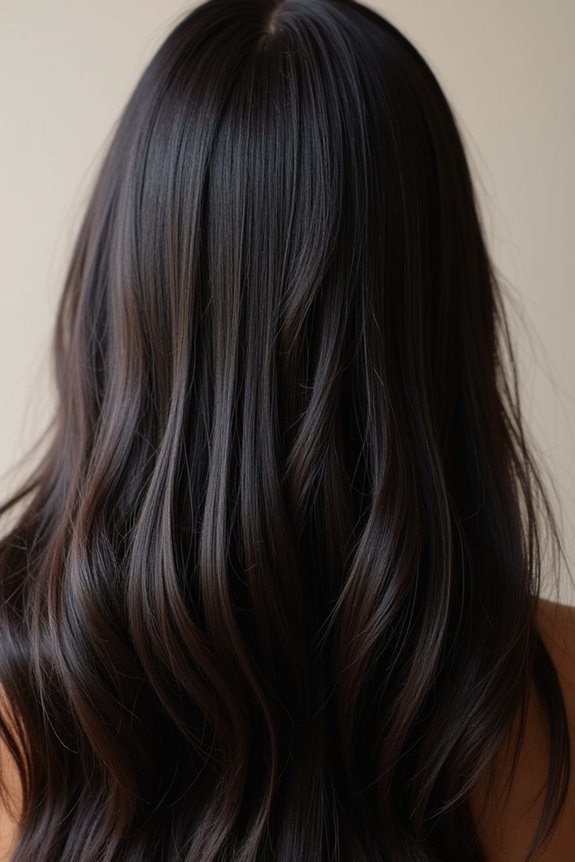
How quickly your hair turns greasy depends on your hair type, scalp health, and how often you wash. Your oil production and sebum secretion rates vary considerably based on your unique characteristics.
Hair greasiness timing varies by individual hair type, scalp health, and washing habits, affecting your unique oil production rates.
Understanding your hair’s oiliness timing helps you find the right washing frequency:
- Straight hair shows greasiness fastest because sebum travels easily down the hair shaft
- Curly and coily hair builds oil at roots while ends stay dry due to hindered sebum movement
- Fine hair appears oily quicker than thick hair since less volume distributes the same sebum amount
- Overwashing strips natural oils, triggering increased sebum production and accelerating oiliness
Your scalp health and washing frequency directly influence how quickly oil buildup occurs. Discovering your hair’s natural rhythm between washes helps you maintain that balanced, fresh appearance you’re looking for.
What’s Actually Happening on Your Greasy Scalp
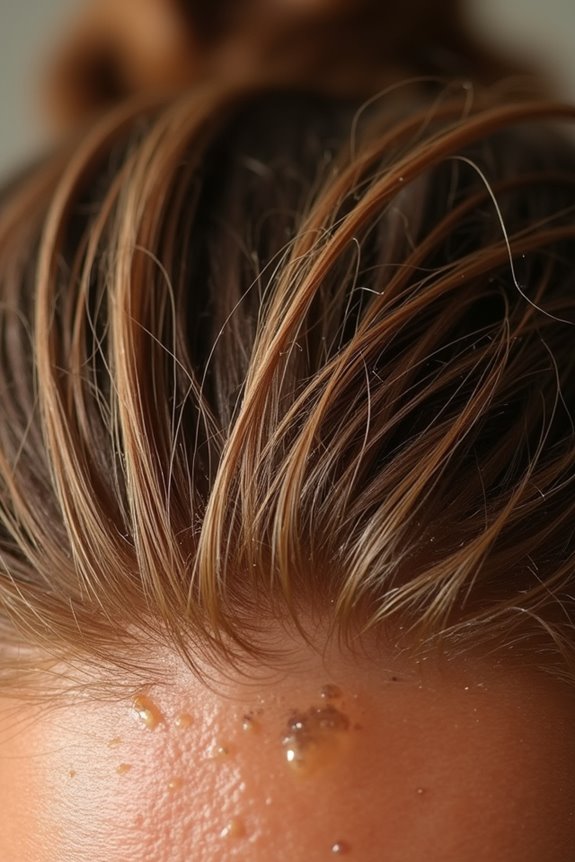
Once you’ve figured out your hair’s oil timeline, it’s worth understanding what’s actually occurring when greasiness builds up.
Your scalp naturally produces sebum, an oily substance that protects your hair. When sebum production goes into overdrive, it travels down your hair shaft, creating that sticky, weighed-down feeling. This buildup makes roots clump together while strands lose their natural bounce.
The greasy appearance happens because excess oil reflects light differently than clean hair. You’ll notice diffuse shine concentrated at your roots rather than along the mid-lengths and ends. Frequent touching accelerates this process since hand oils transfer directly to your scalp.
Your washing frequency matters significantly. More frequent washing can actually trigger increased sebum production, creating a frustrating cycle. Understanding this balance helps you develop a sustainable routine that controls buildup without overworking your scalp.
Managing Oily Hair to Restore Volume and Shine
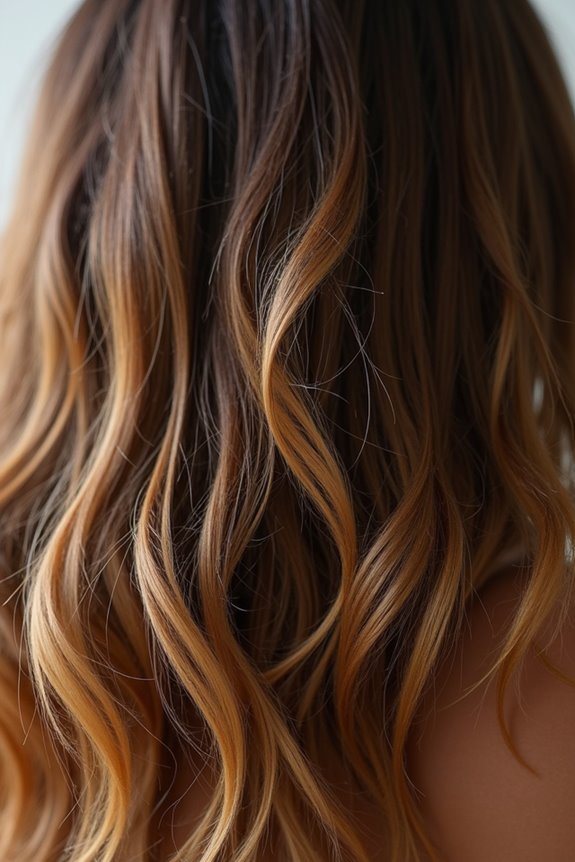
Why does your oily hair lose its lift so quickly? Scalp oil travels down your hair shaft, creating that flat, weighed-down look we all dread. You’re not alone in this struggle; many of us battle oil buildup daily.
Here’s your action plan:
- Switch to lightweight shampoos designed for oily hair to remove excess oil without stripping
- Condition only your ends, avoiding scalp contact to prevent additional grease
- Use dry shampoo between washes to absorb oil and restore volume quickly
- Minimize touching and brushing to reduce oil transfer throughout your day
Rinse with lukewarm water and tie hair back on non-wash days. These simple adjustments tackle oil buildup at the source while keeping your hair looking fresh and full.