A taper cut gradually reduces hair length from your crown to your hairline while maintaining visible density throughout. Unlike fades that expose scalp, tapers blend progressively for versatility with longer tops. You’ll get clean hairlines and styling flexibility for professional or casual looks. Low tapers offer subtle polish; high tapers create bolder contrast. Both require maintenance every 3-4 weeks. The right taper depends on your hair type, face shape, and lifestyle commitment. Consider which style works best for you based on these factors.
What a Taper Actually Is
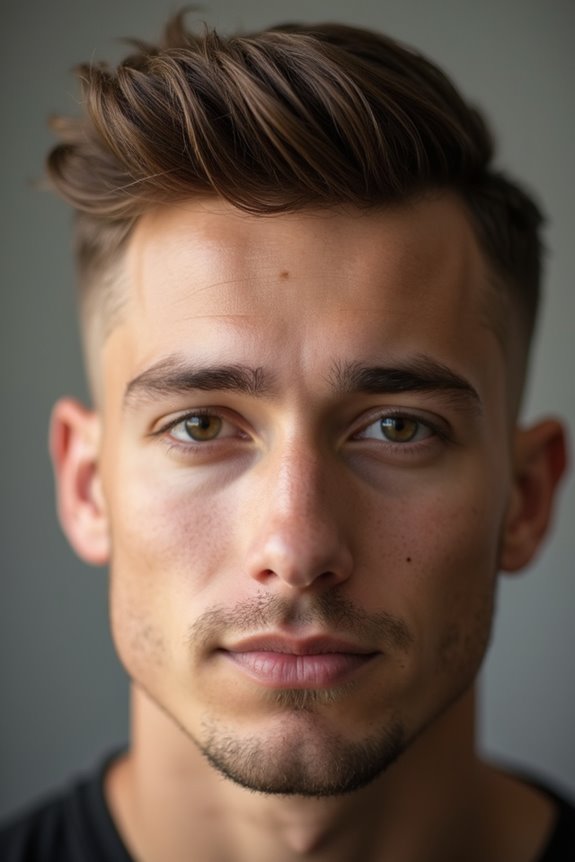
Ever wondered what makes a taper different from other haircuts? I’ll break it down for you. A taper gradually reduces your hair length from the crown down to the hairline, creating a smooth transition. Unlike a fade, which exposes your scalp, a taper maintains visible hair density throughout. You’ll notice the sides and back get shorter while your top stays longer, giving you styling flexibility.
Think of it this way: your barber’s clippers work progressively, blending each section seamlessly. The hairline remains clean and defined, not faded away. This approach keeps things balanced and sharp-looking. Whether you’re exploring your first taper or refining your style, understanding this distinction helps you communicate exactly what you want in the chair.
How Tapers and Fades Actually Differ
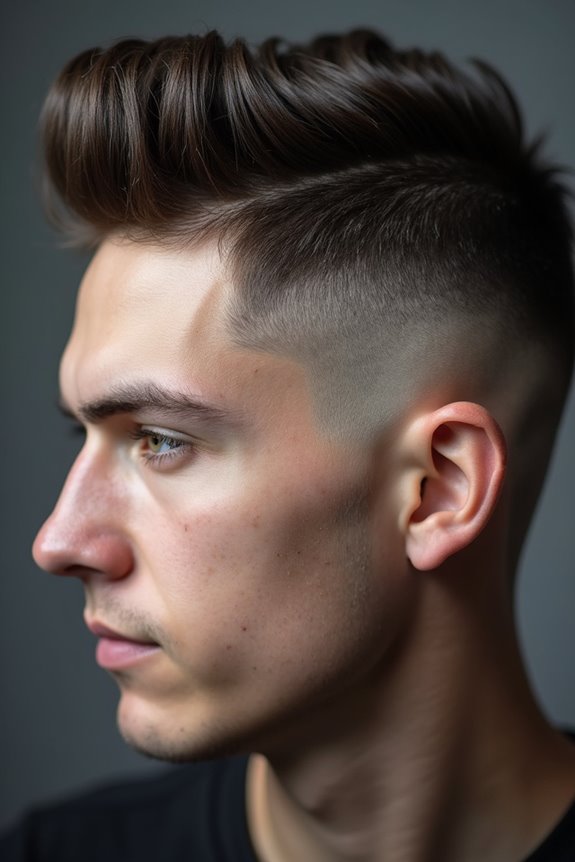
The three key differences between tapers and fades come down to how they handle length and contrast. Tapers create a gradual length transition from longer hair on top to shorter sides and back. Fades, by contrast, drop dramatically down to skin or near-skin level, creating sharper contrast and making your scalp more visible.
The way these cuts work on your sides and neckline also differs significantly. Tapers preserve more hair presence in these areas, which gives you flexibility in styling your top. You can wear a quiff, pompadour, or other styles without restriction. Fades remove hair much more aggressively, resulting in a cleaner, more defined silhouette that works best with specific style choices.
Length Transition Contrast
The key difference between tapers and fades boils down to how dramatically the hair length changes as it moves down the sides and back of your head. With tapers, you’ll get a gradual, smooth length transition that keeps more density lower down. This means less scalp shows through. Fades, however, deliver sharper contrast; the hair gets noticeably shorter quickly, often exposing skin at the edges. Think of tapers as the subtle approach and fades as the bold statement.
Your choice depends on the look you want. Need something refined and professional? Go taper. Want modern edge with high contrast? Choose fade. Both work well. It’s about matching your style preference and maintenance commitment.
Scalp Visibility Differences
Scalp Visibility Differences
Want to know what really sets tapers and fades apart? It’s all about scalp visibility.
When you get a taper, you’re keeping hair visible along your edges. The shortest strands sit at your hairline around the ears and neck, but your scalp stays mostly covered. This creates a subtle, gradual transition that looks refined.
Fades work differently. They progressively expose more scalp as they move toward your sides and back. You’ll see skin showing through, especially in high fades where the transition starts higher up.
Think of it this way: fade versus taper comes down to contrast. If you want understated blending, choose a taper. Prefer sharper, more dramatic lines? A fade delivers that scalp visibility you’re after. Your preference determines which style fits your vibe.
Style Versatility Applications
How do you actually use tapers and fades to shape your overall look? I’ve found that tapers offer flexibility for different lifestyle needs. Here’s how each works:
- Tapers pair beautifully with longer tops for professional settings, letting you style hair multiple ways without frequent cuts.
- Fades demand bolder styling choices and work best when you’re committed to sharp, high-contrast looks.
- Tapers require less maintenance between appointments since they blend gradually.
- Fades need regular touch-ups to maintain that crisp edge and defined contrast.
Your taper choice depends on how much styling effort you’ll invest. If you want versatility without constant maintenance, tapers deliver. They’re forgiving and adapt to your changing preferences while keeping that polished appearance.
Taper Cuts for Different Hair Types and Face Shapes
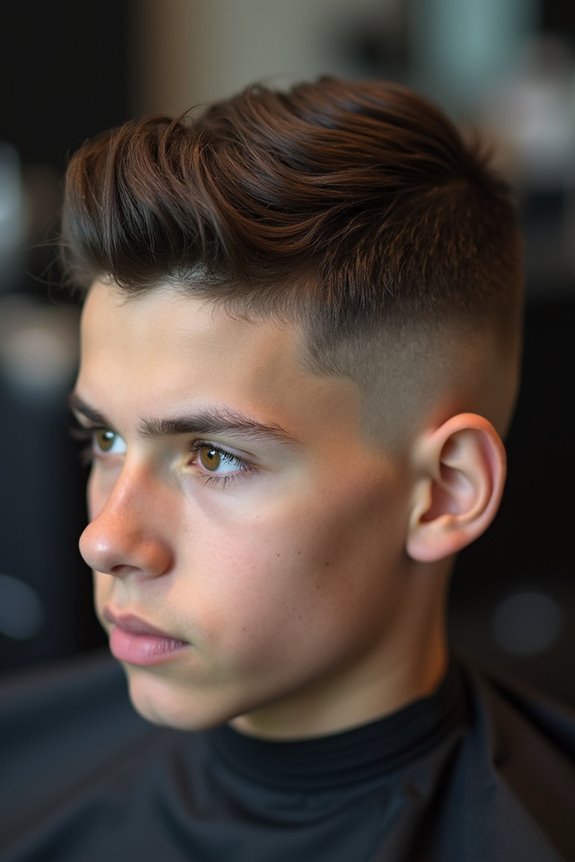
I’ll show you how to adapt tapers for your unique hair and face structure. Whether you have curly coils, straight strands, or wavy texture, we’ll explore styling strategies that work with your natural hair while maintaining those clean taper lines. From round faces to angular jawlines, you’ll discover which taper heights and top lengths create the most flattering results for your specific features.
Taper Cuts For Curly Hair
Taper Cuts For Curly Hair
When you’re working with curly hair, a taper cut becomes a strategic tool for enhancing your natural texture rather than fighting against it. Tapers and fades work best when you keep length on top while shortening the sides. This approach showcases your curl pattern beautifully.
Here’s what makes tapers work for curly hair:
- Maintain longer top length to retain volume and curl definition
- Choose high, mid, or low taper based on desired scalp exposure
- Use precise edging to prevent awkward transitions that flatten curls
- Schedule maintenance trims every 3 to 4 weeks for shape retention
The key is selecting the right taper height for your curl pattern. High tapers create contrast, making curls pop. Between maintenance appointments, use texture paste or salt spray to define your curls and keep your style looking fresh.
Face Shape Compatibility Guide
Your face shape matters just as much as your hair type when choosing a taper cut. Finding your ideal fade and taper combination affects your overall look. Match your face shape to the right style for the best results.
| Face Shape | Recommended Taper Level | Why It Works |
|---|---|---|
| Round | Higher taper | Adds visual length, keeps volume on top |
| Square/Angular | Low to mid taper | Preserves strong jawline without harsh contrast |
| Oval | Any taper height | Highly adaptable, top length dictates balance |
Round faces benefit from keeping more hair on top while tapering shorter sides. Square jawlines need gentler transitions to maintain definition without looking severe. Oval-shaped faces offer flexibility. Your top length becomes the key to achieving your desired silhouette. Work with your barber to determine what flatters you most.
Hair Texture Adaptation Strategies
Most hair types respond differently to taper cuts, which means the same fade won’t work perfectly for everyone. Match your texture to the right taper style for the best results.
Curly hair – Choose a high taper with length on top to showcase your curl pattern and natural volume without excessive shrinkage.
Fine or straight hair – Pair a longer top with your taper to maintain visible density and prevent a flat appearance.
Wavy hair – Opt for mid or high tapers that let your texture peek through the sides while balancing movement.
Coarse hair – Go low or mid taper for easier maintenance and a polished, controlled finish.
Understanding your texture allows your fade to complement your hair’s natural strengths.
Low Taper: Subtle, Polished Look
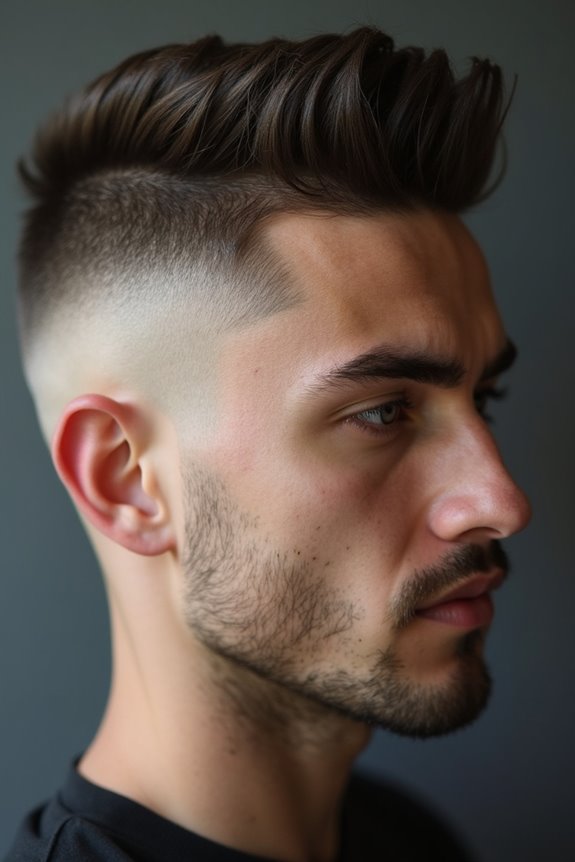
If you’re looking for a haircut that works for almost any situation, a low taper delivers exactly that. I’d recommend this style when you want a clean, professional appearance without dramatic changes.
A low taper starts shortening hair above your ears, creating a subtle fade that preserves length on your sides and back. The gradual transition maintains balance while giving you that polished edge you’re after.
A low taper creates a subtle fade, preserving side and back length while maintaining balance and polish.
Maintenance matters here. Regular trims every three to four weeks keep your fade looking sharp and prevent uneven growth. This prevents your hairline from looking messy.
Pair your low taper with longer hair on top, and you have versatility. You can style it forward, back, or textured depending on your mood and the occasion.
High Taper: When You Want More Edge
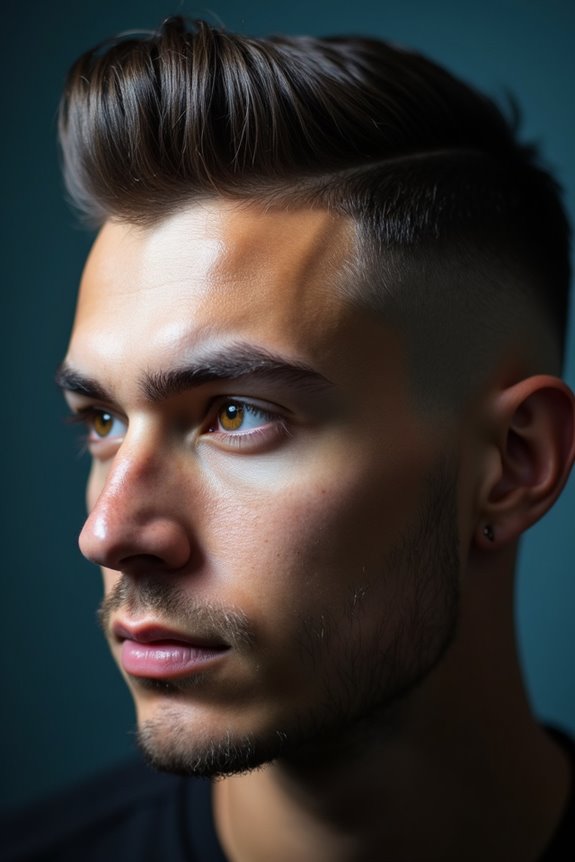
While a low taper keeps things subtle, a high taper cranks up the boldness. This means shortening hair a couple inches above your ears for maximum contrast. The style creates that sharp, clean look you see on today’s trendiest cuts.
What makes a high taper stand out:
- Pronounced edges that frame your face with precision
- Dramatic fade between longer top and cropped sides
- Clean perimeters that highlight your hairline
- Versatile pairing with comb overs or modern high tops
The real commitment involves maintenance. You’ll need regular trims to keep that distinct transition sharp and prevent side overgrowth. The polished result is worth the effort. You’re choosing a style that aligns with contemporary cuts and a bold, confident aesthetic.
Skin Taper: Shaved Sides for Maximum Impact
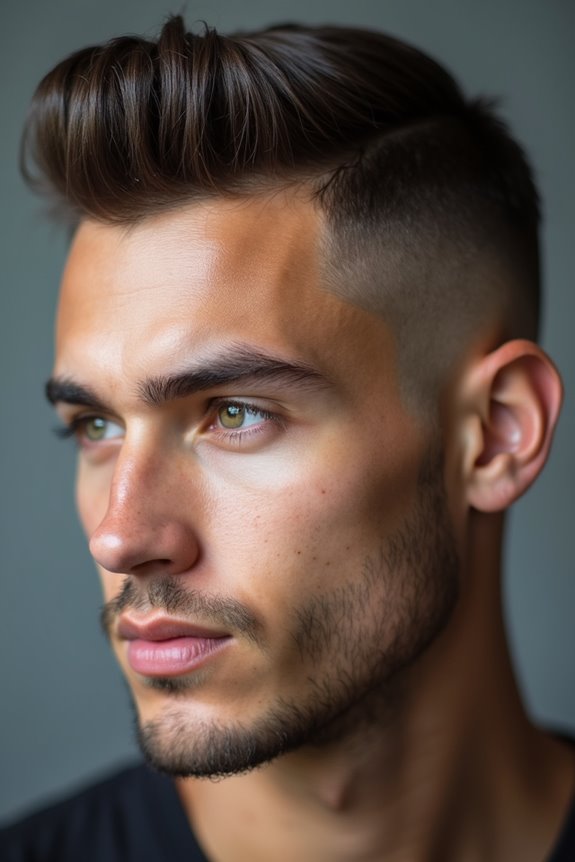
If you’re looking for serious contrast and a clean aesthetic, a skin taper delivers exactly that by exposing your scalp on the sides and back. You’ll want to consider how visible scalp works with your top length, embrace the seasonal advantages of cooler neck exposure, and commit to regular maintenance appointments every 2-3 weeks to keep those fade lines sharp and defined.
Scalp Visibility And Aesthetics
How do you create a bold, modern look? You embrace the skin taper fade. When you expose scalp visibility on the sides, you’re making a statement that communicates confidence and current style awareness.
The aesthetic impact comes from the contrast you’re creating. Here’s what makes it work:
- Shaved skin reveals your natural head shape with clarity
- The fade line becomes a sharp, defined border
- Longer hair on top emphasizes the contrast dramatically
- Scalp visibility draws attention upward toward your face
You’re not just getting a haircut. You’re joining a community that values clean, intentional grooming. The skin taper communicates that you understand modern style. Your scalp becomes part of your overall aesthetic, transforming a simple cut into something distinctly yours.
Seasonal Styling Benefits
That bold aesthetic you’ve just created works perfectly for warmer months. A skin fade removes excess hair from your sides and back, letting your scalp breathe when temperatures climb. You’ll notice your head stays noticeably cooler throughout the day.
This seasonal styling choice works well for summer activities, whether you’re at the beach, playing sports, or navigating humid weather. The reduced coverage means less heat trapped against your skin.
Maintenance becomes straightforward too. Keep those shaved areas clean and well-blended every two to three weeks. Regular trims prevent harsh lines from developing as your hair grows back.
Your skin taper pairs perfectly with seasonal transitions. As fall arrives, you can grow your top slightly longer, adapting your look while maintaining that sharp edge you’ve established.
Maintenance Requirements And Upkeep
Your skin taper demands consistent upkeep to stay sharp and polished. You’ll need regular trims every two to three weeks to maintain those clean lines. Fade maintenance is important. Without it, your sides grow uneven and lose their impact.
What keeps your skin taper looking fresh:
- Schedule frequent barber visits to prevent harsh regrowth lines between faded areas and longer top hair
- Clean your scalp regularly to remove loose hairs and maintain healthy skin underneath
- Use clippers with precision during touch-ups to blend seamlessly between sections
- Keep your longer top hair styled with pomade or paste for polished contrast
This commitment shows you care about your appearance. You’re joining guys who understand that great style requires dedication and consistency.
Neckline Styles: Design, Disconnect, and Classic
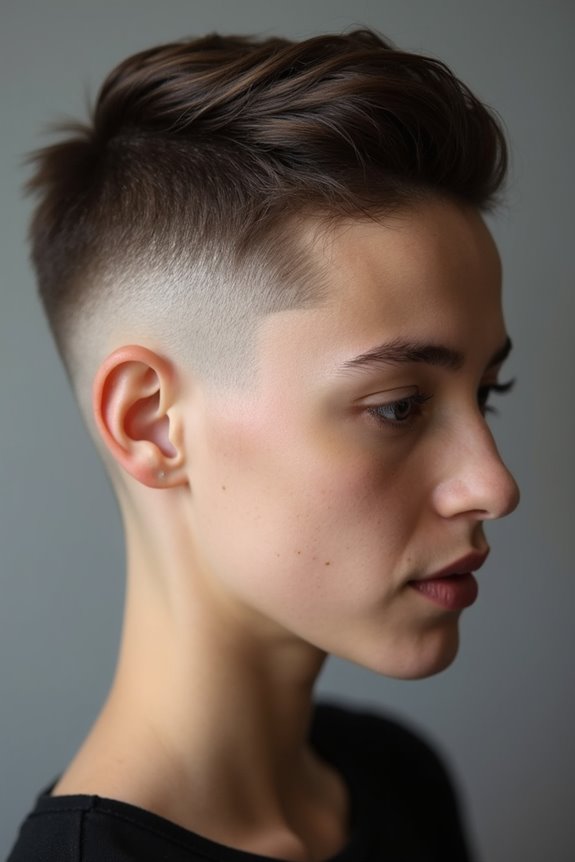
Since the neckline frames your entire haircut, getting it right affects how sharp you’ll look. I’ll show you three main approaches that barbers use to finish your taper.
A tapered neckline follows your natural hair growth with a clean, rounded edge. This classic option blends smoothly and requires regular trims to maintain its shape.
A disconnect neckline creates bold contrast. It features a visible break between your neck and sides, giving you a more defined, modern appearance.
Neckline designs let you express your style. From simple curves to intricate patterns, these customized touches make your cut uniquely yours. Your barber tailors whichever style suits your face shape and hair texture best.
Communicating Your Taper to Your Barber
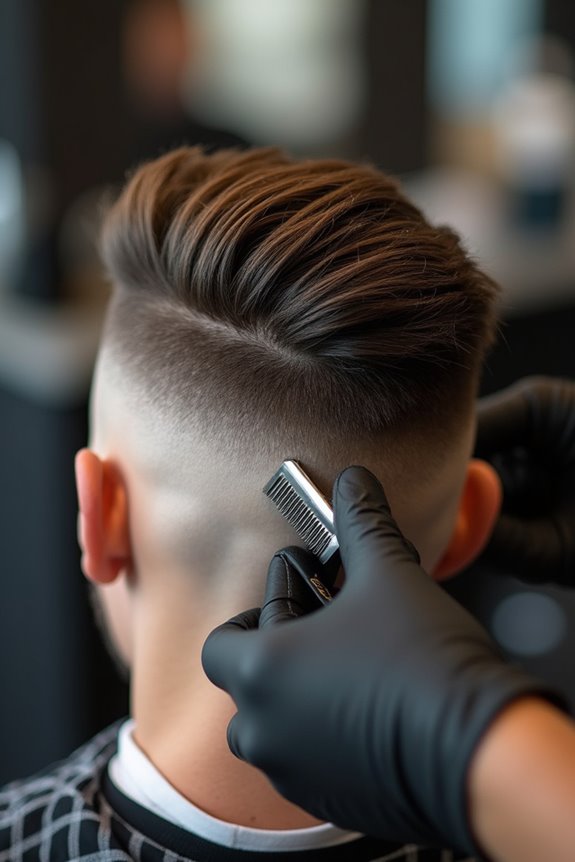
Once you’ve decided on your neckline style, the real work begins: telling your barber exactly what you want. Clear communication prevents misunderstandings and helps you get the taper you’re picturing.
Clear communication with your barber prevents misunderstandings and helps you achieve the perfect taper.
Here’s what you should discuss:
- Top length – Specify how long you want hair on top (for example, 2-3 inches)
- Taper length – Explain how far down the sides the taper extends before reaching your neckline
- Transition blending – Describe whether you want smooth blending at temples and nape or more defined lines
- Neckline shape – Choose between rounded or straight edges
Bring reference photos if you can. They help your barber visualize what you want, creating the polished, professional look you deserve.
Product and Styling Techniques for Tapered Hair
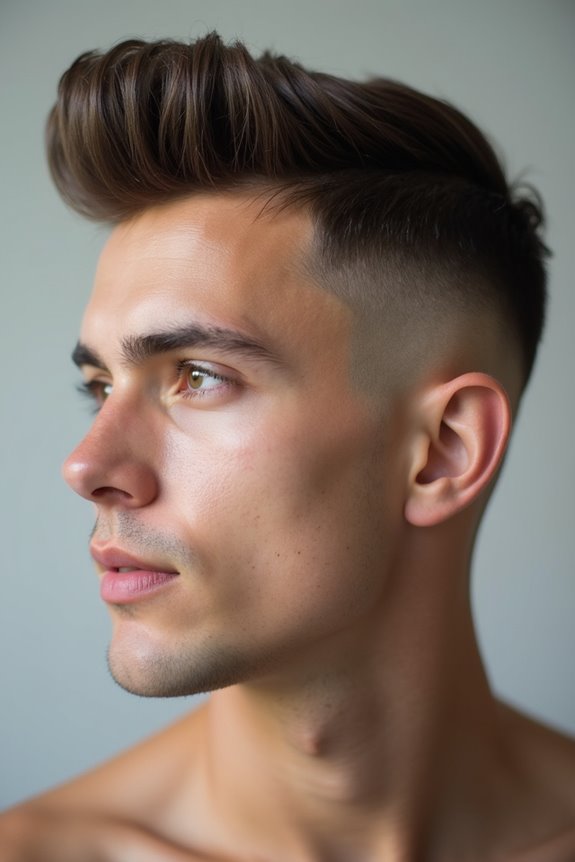
Keeping your taper cut looking fresh between barber visits comes down to using the right styling products and techniques. Matte pomade or paste work best; they enhance your fade without adding unwanted shine. These products suit most hair types and give you control over your appearance.
Apply styling products to damp hair, working from roots to ends. Use a light styling spray for hold that lasts throughout your day. Your taper requires minimal effort once you find products matching your hair texture.
Experiment with different brands until you discover what works for you. Some guys prefer paste for textured styles, while others choose pomade for smoother finishes. Either way, quality styling products keep your taper looking sharp and polished between professional trims.
Maintenance and Growth Timeline for Tapers
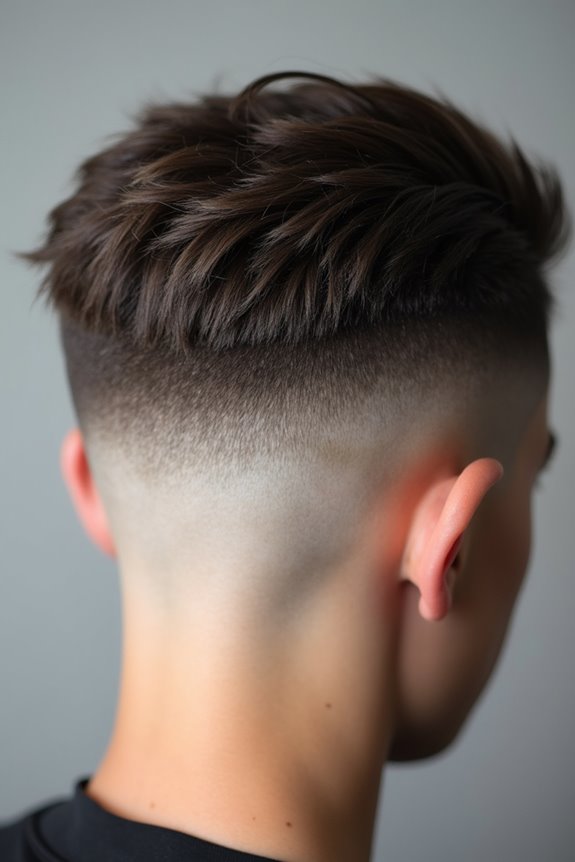
To keep your taper cut looking sharp, you’ll need regular trims every 3–4 weeks. This schedule preserves those crisp lines you worked hard to achieve. Here’s what your maintenance routine should include:
Regular trims every 3–4 weeks preserve your taper’s crisp lines and keep that sharp, polished look you’ve worked to achieve.
- Visit your barber every 3–4 weeks for fresh edging around the hairline and neck
- Keep your top length consistent between appointments by avoiding uneven growth
- Brush gently daily to maintain your taper’s clean silhouette
- Use light hold pomades or pastes to support styling without weighing down your cut
During your growth timeline, the tapers gradually reduce in definition. That’s normal. Your barber will reshape and refine the gradual reduction each visit. This consistent approach keeps your tapers looking intentional and polished. You’re investing in a style that demands commitment, but the payoff is worth it.
Taper or Fade: Which Cut Is Right for You?
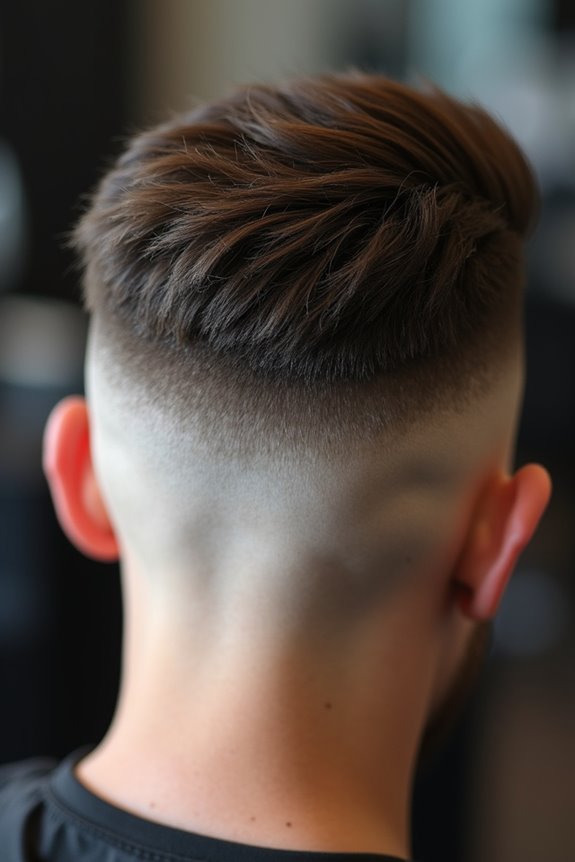
So you’re deciding between a taper and a fade, but which one actually fits your lifestyle and hair goals?
Here’s the difference: a taper haircut preserves more density at the lower portion, creating a gradual, professional transition. A fade offers sharper contrast and exposes more scalp through dramatic length changes.
Choose a taper if you prefer a polished, conservative look that works in formal settings. You’ll appreciate the cleaner lines without extreme scalp exposure.
Pick a fade if you want versatility and edgy style. Fades pair with everything from buzz cuts to pompadours.
Both require maintenance every 2–4 weeks. Consider your daily lifestyle, workplace environment, and styling commitment before deciding. Your barber can help match your choice to your hair type and personal aesthetic.
Getting Started: Your First Taper Haircut Appointment
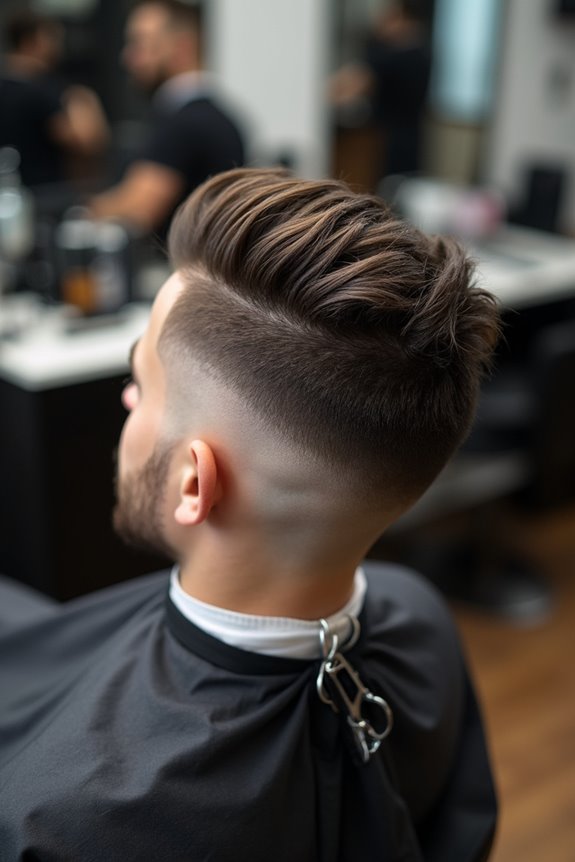
Ready to book your first taper, but unsure what to communicate with your barber? You’re not alone. Walking into that chair prepared helps you get the results you want. Here’s what you’ll want to discuss:
- Your preferred top length; whether you want substantial volume or a shorter, cleaner look
- Your ideal taper height: low for subtle fading or high for dramatic contrast
- Whether you prefer a natural transition for blended softness or a crisper edge for definition
- Any design elements you’d like added to your neckline
These conversations help your barber tailor the cut to your features and style. Don’t hesitate to ask questions. A good barber wants you confident in your new look.