Yes, long hair can trigger headaches. Your scalp contains dense nerve endings that react to pressure and weight. Tight ponytails and heavy hair strain both scalp nerves and neck muscles, activating inflammation that heightens sensitivity over time. Hair weight pulls downward on cervical muscles, forcing your neck to compensate by tensing. Switching to loose styles, soft ties, and regular breaks provides relief. If headaches persist after styling changes, professional guidance helps identify underlying causes and solutions.
Does Long Hair Actually Cause Headaches?
Tight ponytails, heavy buns, and product-laden strands create tension on your scalp and neck. Your scalp contains sensitive nerve endings that overreact to this pressure, potentially triggering neurogenic pain and migraines.
The good news is that you don’t need to cut your hair. Instead, try loose styles and soft hair ties. Distribute weight evenly across your scalp. Take styling breaks throughout the day. These adjustments reduce scalp strain significantly.
If you’re migraine-prone, gentle styling becomes an effective strategy. Loose waves and soft buns work well without compromising your health.
Why Your Scalp’s Nerves Trigger Headaches

Your scalp contains an incredibly detailed network of nerve endings that detect pressure, temperature, and touch, then send those signals directly to your brain. When you wear tight hairstyles or carry heavy hair weight, you apply sustained pressure on these sensitive nerve pathways, which can trigger pain signals and headaches. This pressure-induced activation is not just uncomfortable; it can lead to neurogenic inflammation and heightened nerve sensitivity over time.
Scalp’s Intricate Nerve Network
Have you ever wondered why a certain hairstyle leaves you with a throbbing head? Your scalp contains thousands of nerve endings detecting pressure, temperature, and touch. These scalp nerve endings communicate directly with your brain’s pain centers, acting as early warning signals.
When you wear tight hairstyles or heavy hair, sustained pressure overwhelms these neural pathways. Your scalp’s nerves become hypersensitive, triggering discomfort that radiates throughout your head. Think of it like an overloaded messaging system: too much input floods your brain at once.
Over time, repeated stimulation can cause neurogenic inflammation. Your nervous system becomes increasingly sensitized, meaning less pressure eventually triggers pain. Understanding this connection helps you recognize how styling choices directly impact your comfort and wellbeing.
Pressure-Induced Pain Activation
When pressure builds on your scalp, it’s like pressing down on a densely populated nerve highway. Your hair follicles and surrounding tissues sit atop thousands of nerve endings that connect directly to your brain’s pain centers.
Tight hairstyles create sustained compression. This constant pressure stimulates your trigeminal system, the network responsible for facial sensation. Your nerves respond by releasing inflammatory chemicals, lowering your pain threshold over time.
Repeated nerve activation causes a phenomenon called central sensitization. Your brain becomes increasingly sensitive to pressure signals. What started as mild discomfort transforms into genuine pain.
Heavy hair mass compounds this effect. The weight alone strains scalp nerves continuously. That’s why you might feel relief immediately after loosening your ponytail; you’ve removed the trigger.
Understanding this connection helps you recognize how external factors impact your neurological health.
Hair Weight and Neck Strain
Ever wonder why your neck feels sore after wearing your hair up all day? Your hair’s weight directly impacts your cervical muscles, the neck muscles supporting your head. When you pile heavy hair into tight styles, you concentrate pressure on specific scalp areas, triggering traction headaches that radiate downward.
Your neck compensates by tensing up, creating that familiar stiffness. Wet hair amplifies this problem significantly since moisture adds substantial weight.
What helps: rotate your hairstyles regularly. Try loose braids, low ponytails, or layered cuts that distribute weight evenly. Use soft hair ties instead of elastic bands. Taking breaks from styled hair gives your neck relief.
These simple adjustments reduce strain on your cervical spine and minimize discomfort throughout your day.
High Ponytails: Why They’re a Common Headache Culprit
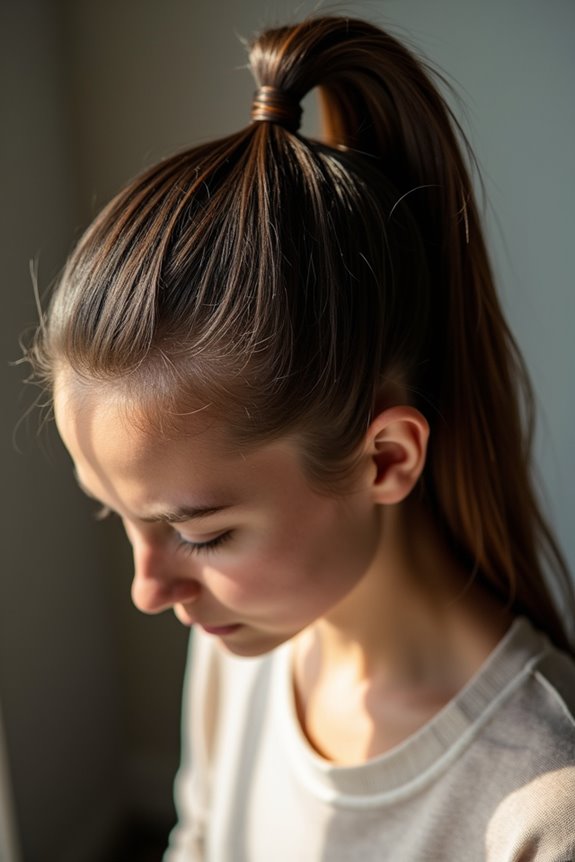
If you’ve ever pulled your hair into a high ponytail and felt a dull throb by afternoon, you’re experiencing traction headaches firsthand. Tight ponytails create constant pulling on your hair follicles and scalp, triggering tension across multiple nerves simultaneously. This external compression causes the headache you’re feeling.
You’re not alone if you’re prone to ponytail headaches. People with migraine history or conditions like fibromyalgia face higher risk. The solution is straightforward: remove the ponytail, massage your scalp, and try deep breathing exercises.
Prevention works best. Switch to looser hairstyles, distribute your hair weight evenly, and take breaks from tight styles. These strategies reduce strain on your head and neck, keeping you comfortable throughout your day.
Thick, Heavy Hair and Scalp Strain
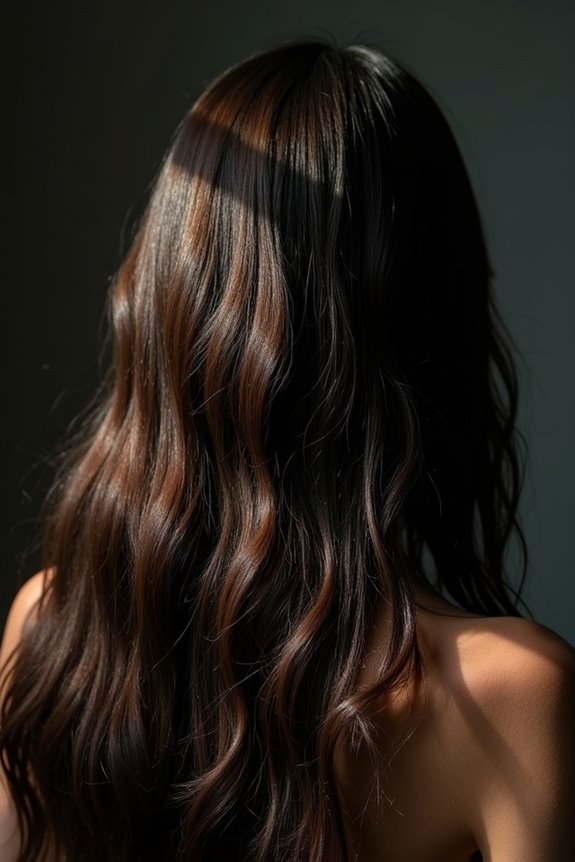
If you have thick, heavy hair, you’re probably familiar with that nagging scalp tension by day’s end. The weight pressing down on your scalp and neck creates pressure that can trigger real discomfort and headaches. Smart weight distribution and scalp tension management can help you find relief.
Weight Distribution Strategies
The weight of long, thick hair, especially when wet or loaded with styling products, creates real physical strain on your scalp and neck. You can reduce this strain by distributing pressure points more evenly across your head.
Try these practical techniques: layered cuts reduce overall weight, loose braids spread tension throughout your scalp, and low ponytails minimize concentrated pulling. Avoid tight elastics and high-tension styles that pinpoint pressure on specific nerve endings.
Rotating your hairstyle positions regularly gives your scalp recovery time. Professional thinning of your ends decreases weight without sacrificing length. Taking breaks from tight styling throughout the week significantly lowers your headache risk while maintaining the long hair you love.
Managing Scalp Tension
While spreading your hair’s weight across your scalp helps, you’ll also need to address the ongoing tension that thick, heavy hair creates. Releasing scalp pressure requires intentional daily habits.
| Tension Relief Method | How It Works | Frequency |
|---|---|---|
| Scalp massages | Increases blood flow and loosens tight muscles | Daily, 5 minutes |
| Loose hairstyles | Reduces traction stress on follicles | Most days |
| Softer hair ties | Minimizes constant pressure points | Every wear |
Taking regular breaks from styling matters tremendously. When you wear your hair down or in gentle waves, you’re giving your scalp permission to relax. I recommend removing tight styles every few hours during active periods. Softer fabric ties and avoiding headbands altogether significantly decrease strain. These small adjustments compound over time, reducing headache frequency and helping you feel more comfortable throughout your day.
Hair Extensions: Added Length at What Cost?
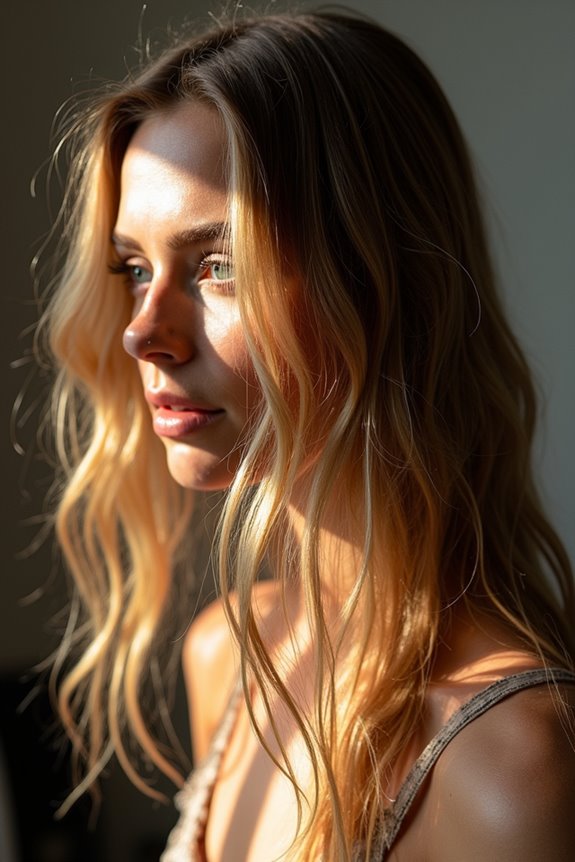
How often do you think about what’s actually sitting on your head? Extensions add volume and length, but they come with a real downside: weight. That extra load puts tension on your scalp and can trigger headaches, especially when you’re wearing them regularly.
Extensions add volume and length, but that extra weight puts tension on your scalp and can trigger headaches.
Here’s what happens. Extensions create traction on your hair follicles and nerves. This pulling sensation causes discomfort and increases your risk of traction alopecia, which is permanent hair loss from repeated tension.
To protect yourself, limit extensions to special occasions. When you do wear them, follow these guidelines: proper installation is essential, keep the weight under 265 grams, distribute the weight evenly across your scalp, avoid tight pulling, and maintain them carefully.
Your future hair will thank you.
Traction Alopecia: The Long-Term Damage of Tight Styles
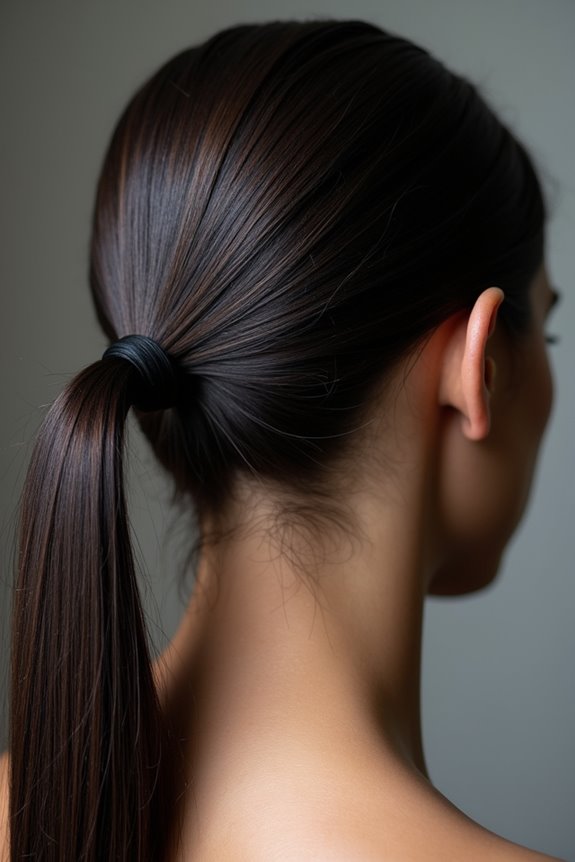
If you’ve been wearing tight hairstyles regularly, you might notice your hairline starting to recede or small bumps forming along your scalp. That’s traction alopecia, which is hair loss caused by constant pulling and tension on your hair roots.
Recognizing the warning signs early matters. You might see a widened part, patchy thinning areas, or even shiny, scarred skin. These indicators signal that your scalp needs relief.
What helps: switch to looser styles that distribute weight evenly across your head. Limit how long you wear tight braids or ponytails daily. If symptoms persist, consider shorter layered haircuts and consult a healthcare provider. Protecting your hair now prevents permanent damage later.
Cut Your Hair or Adjust Your Styling?
Before you reach for scissors, consider whether adjusting your styling habits can solve your headaches or if a shorter cut makes more sense for your situation. We’ll explore how to evaluate whether your current hair length is the real culprit, what styling tweaks you can try first, and the signs that cutting your hair might provide relief. Let’s start by examining your specific hair and headache patterns to find the best path forward.
Evaluating Your Hair Length
When your long hair triggers headaches, you have a choice: reach for the scissors or rethink your styling approach. Before committing to a cut, identify your specific headache triggers. Does your ponytail feel tight? Does weight pulling downward cause discomfort? These clues matter.
Consider your hair’s thickness and texture. Long, heavy hair creates more scalp tension than fine, delicate strands. Weight reduction through layering or thinning ends can ease pressure without sacrificing length. Loose styles, gentle braids, and soft ties distribute tension differently than tight buns.
Track which hairstyles trigger symptoms. You might discover rotating between styles works better than maintaining one look. Keeping hair at nape height or using low-tension ponytails often allows longer hair with fewer headaches. Evaluate honestly before cutting.
Strategic Styling Modifications
You don’t necessarily need to cut your hair to stop the headaches; sometimes a styling adjustment works just as well.
Switching to loose styles dramatically improves headache prevention. Tight ponytails and heavy buns strain your scalp, triggering tension that builds throughout the day. Instead, try low ponytails, loose braids, or flowing waves that distribute weight evenly.
Your styling tools matter too. Soft hair ties and wide-toothed combs minimize nerve strain during detangling. Rotating between different hairstyles prevents persistent pressure points that can develop allodynia, a condition of heightened scalp sensitivity.
If you love length, layered cuts reduce weight concentration. Skip extensions or limit them to special occasions, keeping total weight under 265 grams. These strategic modifications reduce scalp tension without sacrifice, helping you maintain the hair you love while eliminating pain.
When Cutting Becomes Necessary
How do you know if styling changes alone will solve your headaches, or if you actually need to cut your hair?
If you’ve tried rotating styles and using loose ties without relief, cutting might be your answer. Long hair creates sustained pressure on the scalp, triggering tension headaches that styling adjustments alone can’t fix. Consider shorter cuts or layered styles that distribute weight evenly across your head.
You’ll recognize it’s time to cut when headaches persist despite your best efforts. A shorter length reduces traction on scalp nerves substantially. Consult your healthcare provider about whether a permanent cut suits your situation.
Gentle Hair Styling to Prevent Headaches
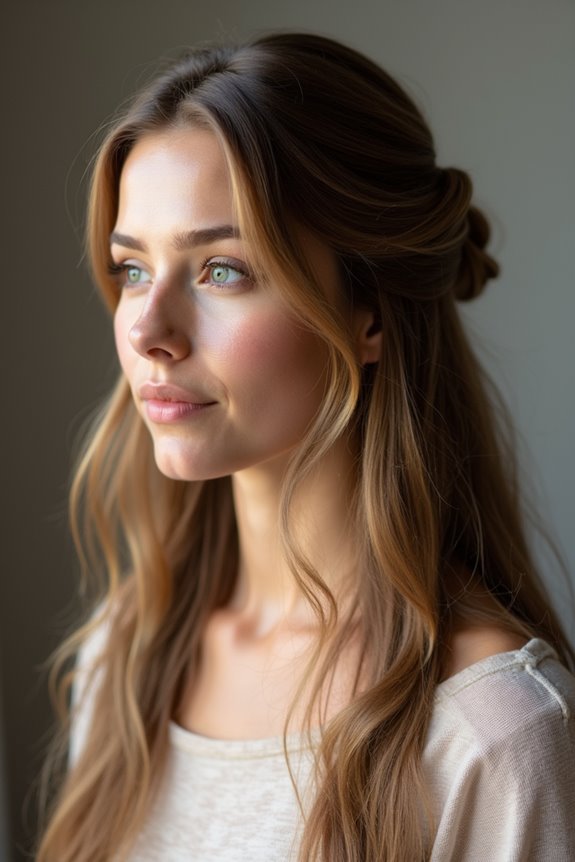
Tight hairstyles are among the most common culprits behind tension headaches. Simple styling changes can reduce scalp pressure and help prevent discomfort and migraines.
What to do:
- Switch to soft hair ties made from silk or fabric that won’t dig into your scalp.
- Wear loose braids or low ponytails that distribute weight evenly across your head.
- Rotate your hairstyles daily to avoid persistent pressure points on the same areas.
- Take regular breaks from styling and massage your scalp gently to release accumulated tension.
These adjustments work together to minimize traction on your hair and scalp. You’ll notice the difference quickly. When you incorporate these practices into your routine, you create a sustainable approach to managing headaches while keeping your long hair styled comfortably.
Hair Rotation and Positioning Strategies
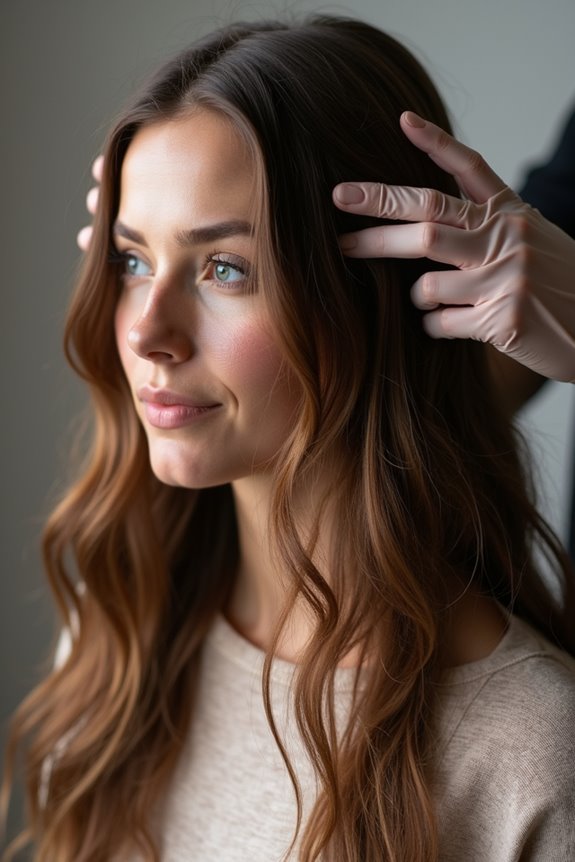
Beyond choosing gentler styling methods, rotating your hairstyles prevents headaches from building up over time. Alternating between loose buns, low ponytails, and braids distributes hair tension across different scalp areas. This variation keeps any single pressure point from becoming irritated.
Rotating hairstyles distributes tension across different scalp areas, preventing any single pressure point from becoming irritated and causing headaches.
Position your styles at or below your nape. This placement minimizes traction on sensitive nerve endings. I recommend alternating your go-to styles every few days. If you wear extensions, reserve them for special occasions rather than daily wear.
Think of rotation like shifting weight when standing; you’re preventing strain accumulation. By distributing tension strategically, you’ll notice fewer headaches developing. Your scalp gets relief breaks between style changes, allowing nerves to recover naturally.
Professional Life: Styling Solutions for Work

When you’re juggling meetings, deadlines, and professional appearances, your hairstyle shouldn’t add headaches to your workday. Strategic styling choices help you maintain both comfort and polish throughout long days at the office.
What works best:
- Secure hair in a loose, low bun using fabric-covered elastics to minimize scalp tension
- Opt for moisture-wicking headbands and bobby pins instead of tight elastics
- Schedule hourly breaks to readjust hairstyles and perform gentle scalp massages
- Rotate hairstyle positions to distribute weight away from constant pressure points
These solutions keep you focused on your work rather than fighting discomfort. You’ll maintain a polished, professional appearance while protecting your scalp from unnecessary strain during your busiest hours.
Securing Hair During Exercise and Activity
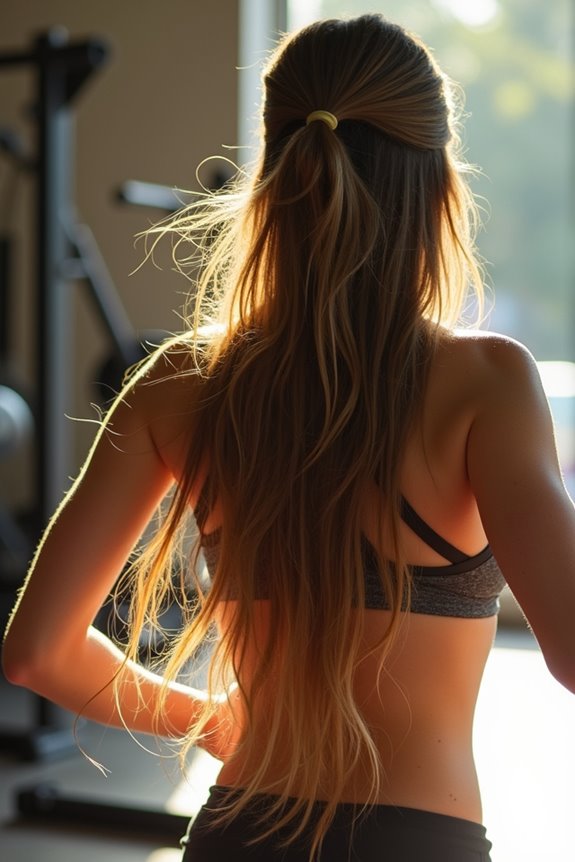
When you’re active, strategic hair securing can prevent the tension headaches that often accompany workouts. Use soft fabric ties positioned low on your head, such as loose ponytails or gentle braids, so the weight distributes evenly rather than pulling from one pressure point. During longer sessions, adjust your style every hour and try a loose, low bun with a fabric-covered elastic to keep traction minimal while you move.
Soft Ties For Activity
How’s your hairstyle holding up during workouts? I’ve discovered that soft ties make a real difference when you’re active. Here’s what works best:
- Fabric-covered elastics distribute weight evenly across your scalp
- Gentle fabric ties at multiple points prevent concentrated pulling
- Lightweight accessories reduce traction on hair and nerves
- Regular repositioning prevents continuous pressure on one area
I switch between low ponytails, loose braids, and buns throughout my workout. This rotation keeps tension from building up in the same spot. Between sets, I take quick breaks to readjust and massage my scalp lightly. Soft ties offer both comfort and practicality. When you’re part of an active community, choosing the right hair security matters. Your scalp will thank you.
Strategic Positioning During Exercise
During intense workouts, your hair’s position directly impacts whether you’ll experience scalp tension headaches. Securing hair in a loose, low bun distributes weight evenly across your scalp. This positioning reduces pressure on sensitive occipital and trigeminal nerves that trigger discomfort.
Loose braids work equally well. They keep hair contained while preventing the tightness that causes problems. Avoid high-tension styles like tight ponytails, which create external traction that aggravates scalp nerves during activity.
Take hourly breaks to readjust or release tension from your hair and scalp. This simple pause prevents buildup of pressure. For those with extensions or particularly heavy hair, consider limiting wear during intense workouts. Strategic positioning isn’t complicated; it’s about finding what keeps your hair secure without creating tension.
Weight Distribution While Moving
Beyond positioning alone, how you secure your hair matters just as much when you’re active. The way you tie and manage your hair directly impacts whether you experience traction headaches during exercise.
- Use soft fabric ties that won’t dig into your scalp or create pressure points during movement
- Vary your tie points regularly to prevent sustained stress on one specific area of your scalp
- Try a loose ponytail instead of tight styles that concentrate pull in single locations
- Consider layered cuts for thick hair to reduce overall weight and downward tension
When you distribute your hair’s weight across your entire scalp rather than concentrating it, you’re protecting the nerves underneath. Taking breaks to readjust or loosen your style gives those nerves relief from sustained traction, reducing your headache risk significantly.
When to See a Doctor or Dermatologist
Most hair-related headaches improve once you loosen your hairstyle. However, some situations warrant professional attention.
You should see a doctor if you’re experiencing persistent headaches that don’t improve after removing the pressure on your scalp. This is especially important if the pain lasts more than 15 days monthly or disrupts your daily life.
Visit a dermatologist if you notice scalp changes alongside headaches, such as redness, scaling, swelling, or patchy hair loss. These symptoms could indicate traction alopecia.
Seek urgent medical care if headaches accompany neurological symptoms like vision changes, weakness, or numbness. These signs require immediate evaluation.
If you use hair extensions, tight braids, or heavy hairstyles and develop new scalp pain or hair loss, schedule a dermatology appointment promptly to rule out traction-related issues.
Hair Headache Relief Checklist
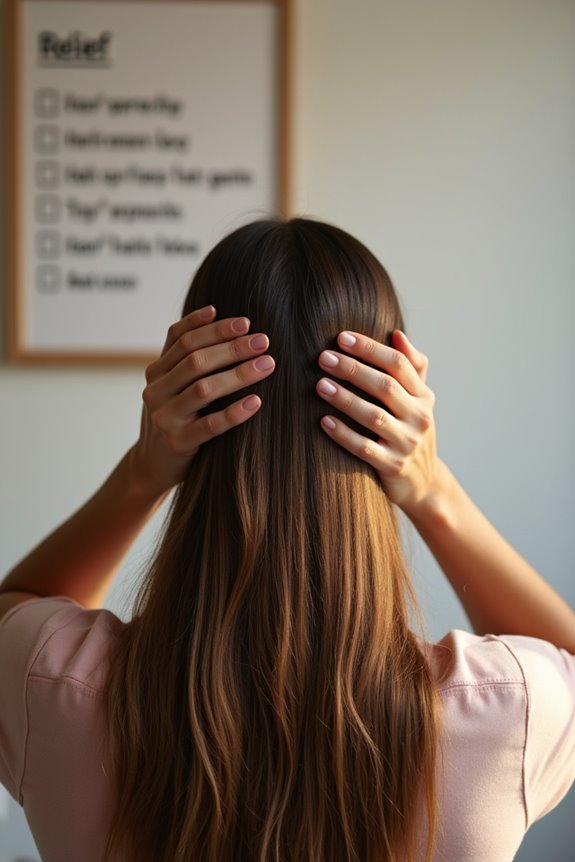
How can you take control of hair-related headaches? You’re not alone in experiencing scalp pressure from styling choices. Making intentional adjustments to your routine can markedly reduce discomfort.
- Switch to loose hairstyles – Trade tight ponytails for relaxed waves or buns that distribute weight evenly across your scalp.
- Upgrade your hair ties – Use soft, stretchy bands instead of elastic ones that create excessive pressure on nerve endings.
- Take regular styling breaks – Alternate between styles daily, giving your scalp relief from consistent tension points.
- Consider a shorter cut – Layered or shorter lengths reduce downward force, decreasing traction headaches and scalp strain.
These practical changes help you maintain healthy hair while protecting your comfort and wellbeing.