Leave henna on your hair for 3–4 hours, which is when peak dye release happens and you’ll get the richest color. Two hours gives lighter shades; overnight sitting wastes time without boosting results. After rinsing thoroughly, wait 24 hours for full oxidation and deepest color development. Watch for visual cues: paste should feel firm yet pliable, and hair underneath should show dark staining when you lift the edge. Understanding this timing produces better results.
The Optimal Window: 3–4 Hours for Best Results
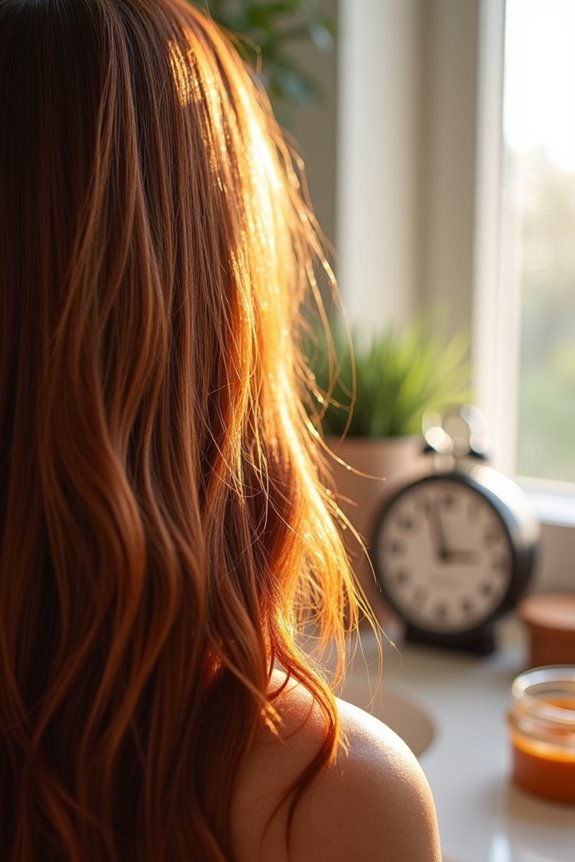
How long should you actually leave henna on your hair? The sweet spot is three to four hours. During this window, your henna paste reaches peak dye release; the color molecules transfer most effectively to your hair strands.
This timeframe delivers the best results without unnecessary waiting. Your henna’s potency peaks within these hours and then gradually declines. Sitting longer won’t deepen your stain or improve color development.
High-quality henna stains quickly, so you won’t need extended processing times. Many people overthink the timeline, but staying within this three to four hour range keeps things simple and effective.
Adjust slightly based on your specific hair type and product quality, but this window works for most applications.
Why 24 Hours Is Overkill for Hair Henna
Ever wondered why some henna guides recommend leaving the paste on overnight? I’ll tell you straight: it’s actually unnecessary. Your henna reaches peak dye release within just a few hours, and waiting longer doesn’t improve your stain. In fact, extended sitting reduces color strength as potency declines after that optimal window.
| Sitting Time | Dye Release | Color Strength | Recommended? |
|---|---|---|---|
| 3–4 hours | Peak | Strong | Yes |
| 8–12 hours | Declining | Moderate | No |
| 24 hours | Minimal | Weak | No |
High-quality henna works fast. You’re preserving valuable dye potency by respecting this timeline rather than overdoing it. Skip the overnight wait. The science is clear: strong color happens quickly with proper application. That’s how you achieve results that work in your routine.
Dye Release vs. Leave-In Time: Two Critical Timelines
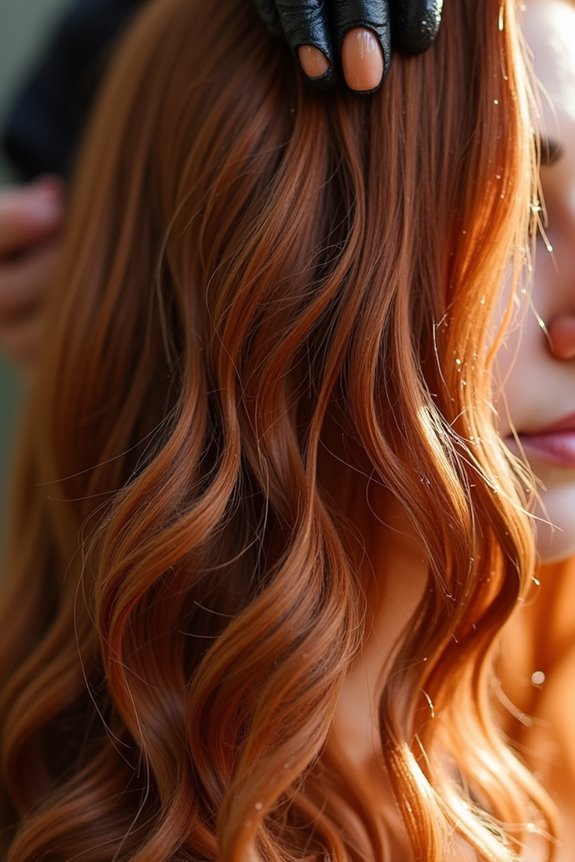
Henna follows two different timelines that you shouldn’t confuse. First, there’s dye release: when the plant actually gives up its color pigments. This peaks in just 3–4 hours and won’t improve with extra waiting. Then there’s your leave-in time on hair, where you can adjust duration based on shade preference. Going beyond that dye release window gives you no real benefit.
Peak Dye Release Window
When does henna actually stop releasing its color-producing compounds? Peak dye release happens within a few hours of mixing, specifically around 3–4 hours of sit time. This window offers the best color development.
Pushing beyond this peak doesn’t improve results. Whether you let it sit overnight or for 24 hours, you won’t get stronger color payoff. Extending the sit time may actually reduce stain strength.
Two hours is possible if you’re in a rush, but you’ll typically get lighter shades. The science is straightforward: your henna’s dye compounds release their potency during those early hours. After that, you’re waiting without gaining additional color benefit.
Optimal Hair Application Duration
Understanding the difference between dye release time and actual hair application time is essential for getting the color you want.
Peak dye release happens in 3 to 4 hours, not overnight. Leave-in duration should match dye potency rather than exceed it. Waiting 24 hours diminishes results and wastes time. Strong stains develop earlier with quality henna.
The henna dye releases its strongest color within that 3 to 4 hour window on your hair. After that peak, longer waiting periods do not produce better results. Time your leave-in duration around this optimal range to achieve your desired tone efficiently. You’ll get richer, more vibrant color by respecting this natural timeline rather than overextending application time.
Understanding Two Separate Timelines
Many people think henna works like permanent dye, assuming the longer it sits, the better the results. That’s not quite right. You’re actually managing two separate timelines: dye release and leave-in time.
Dye release happens first. This is when henna develops its color-releasing compounds. Peak dye occurs within 3 to 4 hours. After that, the potency declines. Waiting overnight won’t improve anything.
Here’s what matters:
| Timeline | Duration | Result |
|---|---|---|
| Dye release peak | 3 to 4 hours | Maximum color potential |
| Extended sitting | Beyond 4 hours | Diminishing returns |
| Overnight application | 8+ hours | Wasted potency |
| Optimal rinse time | After peak | Best stain depth |
Understanding this distinction changes how you approach the process. You’ll rinse at the right moment, not when tradition dictates. That’s how you achieve rich, lasting color without overthinking the application.
Shorter Sessions: 2 Hours vs. 3–4 Hours vs. Overnight
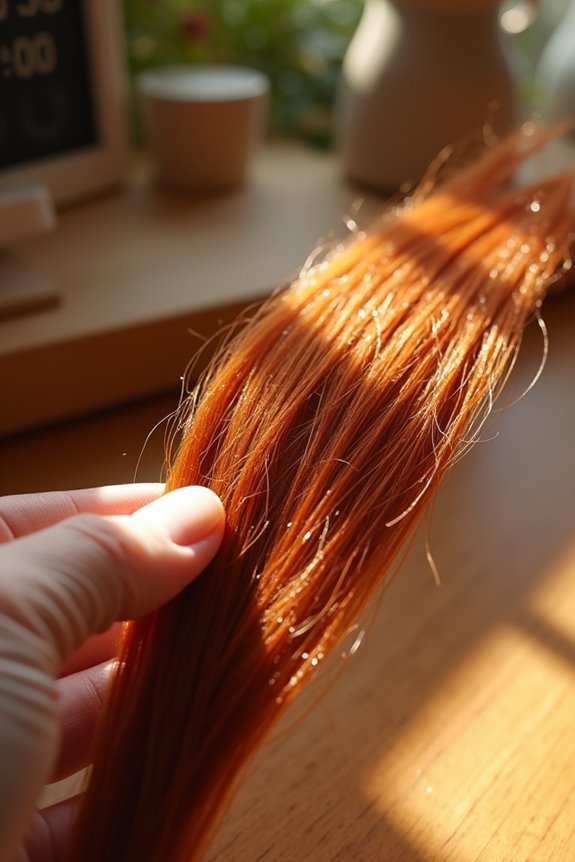
Your henna session’s length directly impacts how rich your color becomes. A 2-hour minimum gives you lighter shades, while 3 to 4 hours during daytime hits the sweet spot for deep, even color without wasting time on diminishing returns. Skip the overnight approach. It’s overkill since dye release peaks and plateaus, meaning those extra hours won’t deepen your results any further.
Minimum Duration And Results
How much time does henna actually need to work on your hair? You don’t necessarily need hours of processing time to see results. Here’s what you should know:
- 2 hours produces lighter shades for subtle color
- 3–4 hours hits the sweet spot for balanced development
- Overnight applications don’t improve results beyond peak dye release
- Quality matters more than excessive henna duration
Peak dye release happens within the first few hours. After that point, waiting longer won’t deepen your color further. Many people find that shorter sessions (around 2–4 hours) deliver the same outcomes as overnight treatments, depending on hair type and henna quality. You’re investing your time wisely by choosing practicality over unnecessary length.
Peak Dye Release Timing
When does henna actually stop working? Peak dye release happens within a few hours of sitting time. You’ll find that 3–4 hours gives you optimal color development. That’s when the henna’s pigment molecules fully bond with your hair, delivering that rich, vibrant stain you’re after.
A 2-hour minimum works, but you’ll likely see lighter results compared to longer sessions. The sweet spot lands right around 3–4 hours. After that peak window, extending your sitting time (even overnight) won’t boost potency. In fact, longer sessions can actually diminish your color payoff.
High-quality henna stains quickly, so you won’t need marathon processing times. Respect that peak window, and you’ll achieve good depth without unnecessary waiting.
Overnight Application Benefits
Should you leave henna on overnight? Here’s what you need to know about extended application times.
The henna dye release peaks within just a few hours. After that point, leaving it on longer won’t strengthen your color. Consider these key factors:
- 2-hour sessions produce lighter, more subtle shades
- 3–4 hours creates the ideal balance for rich, vibrant color
- Overnight application offers minimal additional benefit beyond peak dye release
- Extended sitting actually leads to diminishing returns
I recommend skipping overnight applications. You’re investing sleep time for no real payoff. Your best results come from that 3–4 hour window. This timing gives you strong color development without wasting hours watching henna sit on your hair. Plan accordingly, and you’ll maximize both your results and your time.
What Slows Down or Speeds Up Henna Processing
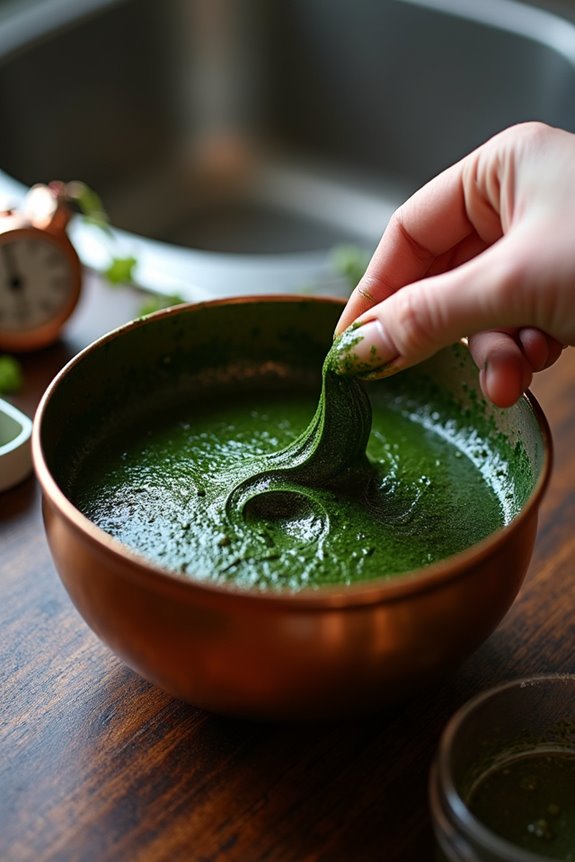
Several factors determine whether your henna develops rich color quickly or takes longer to process. Temperature and humidity directly impact your results. Warm, humid environments accelerate drying time and color development, while cold, dry conditions slow everything down. Your henna paste needs moisture to release its dye properly.
Layer thickness matters too. Thinner applications dry faster, speeding up the processing window. Thicker coats take longer to reach peak potency around 3-4 hours.
Quality henna also plays a role. Premium henna stains quickly, reducing your waiting time significantly. Lower-quality products may require extended sitting periods without delivering better color payoff.
Monitor these variables in your space, and you’ll achieve optimal processing times consistently.
Mixing and Dye Release: The 45-Minute to 10-Hour Timeline
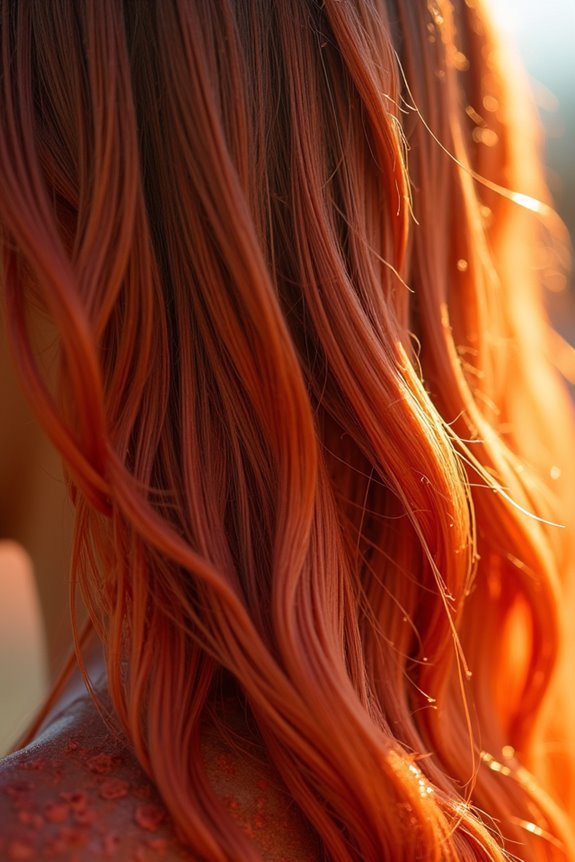
Now that you understand what speeds up or slows down henna processing, let’s focus on the mixing and dye release phase, which forms the foundation of your entire coloring experience.
When you mix henna, you’re activating the dye release process. Here’s what matters:
- Use warm water or liquids to mix your paste properly
- Wait 45 minutes minimum for initial dye release to begin
- Extended waiting time (up to 10 hours) works if you want deeper shades
- Peak potency occurs around 3 to 4 hours, offering optimal color payoff
Quality henna stains quickly, so you don’t need endless waiting time. Mix your paste with warm liquids, let it sit appropriately for your desired shade, then apply. This strategic approach helps you achieve vibrant results without unnecessary delays.
How Leaving Henna On Longer Deepens Color
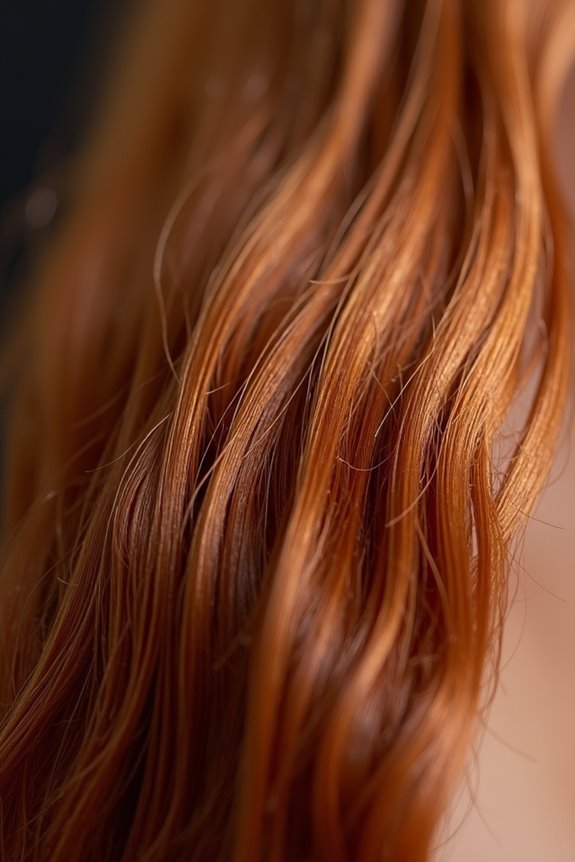
You might think leaving henna paste on your hair overnight will give you the darkest possible stain, but that’s actually not how it works. The color development peaks within 3 to 4 hours, and extending beyond that window won’t meaningfully deepen your shade; it just plateaus. Understanding this timeline helps you achieve optimal results without wasting time or risking scalp irritation.
Extended Processing Increases Depth
Does leaving henna on your hair longer actually deepen the color? While extended henna processing can enhance depth, it’s not a straight path to darker results.
What I’ve learned about how duration affects your final shade:
- Peak dye release happens within the first few hours, then potency naturally declines
- A 3–4 hour application typically delivers strong, reliable color without excessive waiting
- Overnight processing may deepen color for some people, but results aren’t guaranteed
- Extended sitting beyond peak release risks diminishing returns on your time investment
The reality is that henna processing depends heavily on your hair condition and henna quality. I’ve noticed patchier results when sitting times vary dramatically. You’ll achieve the best depth by respecting the optimal window rather than assuming longer always means darker.
Color Development Timeline Explained
What’s happening on your hair after you rinse out the henna? The real process begins. Your color development doesn’t stop; it accelerates through oxidation over the next 24 to 48 hours. That initial orange shade you see? It’s gradually shifting toward deeper reddish-brown tones as oxygen works its chemistry on your strands.
Here’s what you’ll notice: the richest color typically emerges after this full oxidation window closes. The first few hours deliver peak dye release, but waiting longer lets that transformation complete. Your hair keeps darkening naturally without any extra effort from you.
Don’t expect dramatic changes after 48 hours pass. That’s when oxidation peaks. Instead, you’re watching a gradual deepening that makes your henna investment worthwhile.
Temperature, Humidity, and How They Affect Processing
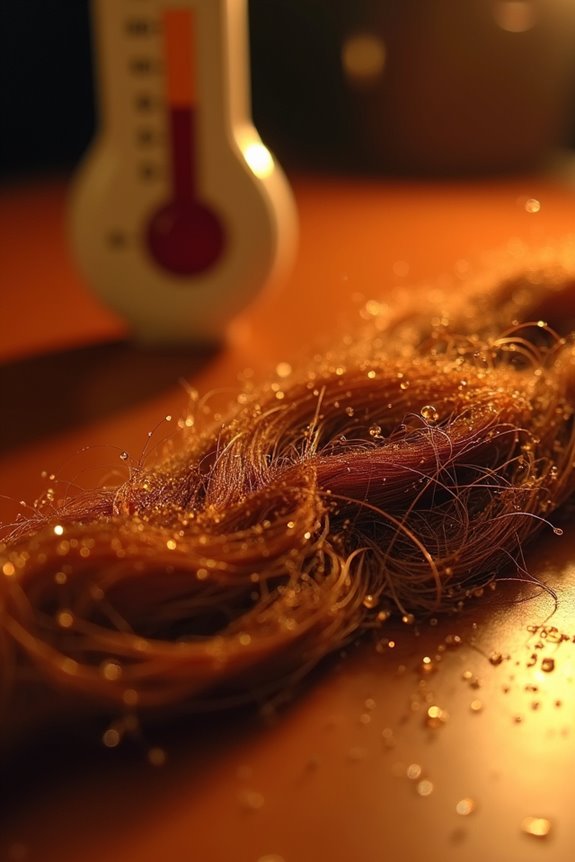
Environmental conditions in your space play a bigger role in henna processing than many people realize. Humidity and temperature directly impact how your paste behaves and how deeply the color develops.
What you need to know about your environment:
- Higher humidity slows drying time, keeping your paste workable longer
- Warmer rooms speed surface drying, affecting your overall leave-on duration
- Fans or dehumidified spaces accelerate drying and help you control processing depth
- Thinner layers dry faster but may crack sooner than thicker applications
You’re aiming to finish dye release within a few hours. Peak potency actually happens earlier than overnight sitting, so monitoring your room’s conditions helps you achieve your desired shade efficiently.
Short Processing Times for Color, Long Times for Deep Conditioning
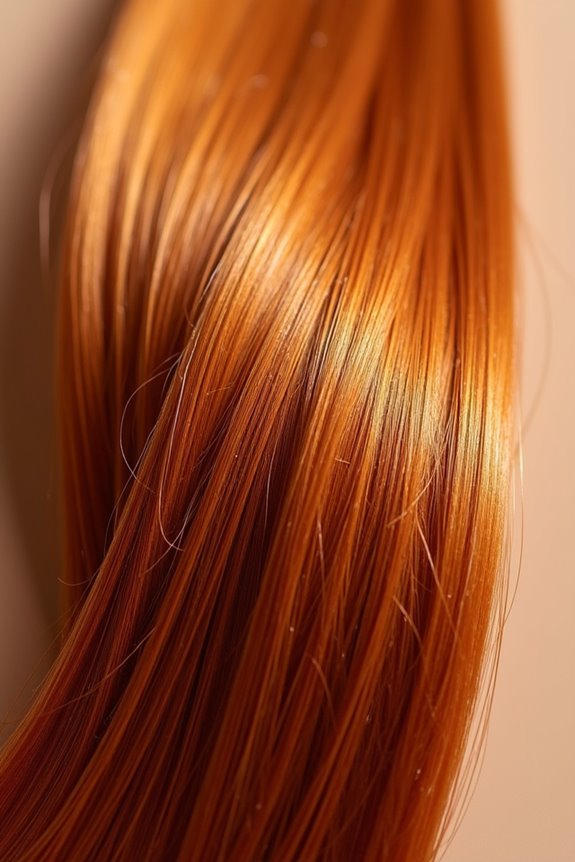
you don’t need to sit with paste on your hair all night to get great color. I’ve found that 2–4 hours hits the sweet spot for optimal henna dye release. Your processing time works hardest during those initial hours when the dye molecules actively bond with your hair.
Extending beyond 4–5 hours won’t deepen your color significantly. The peak dye release happens early, and longer sitting won’t enhance potency. However, that doesn’t mean longer applications are wasted. If you’re seeking deep conditioning benefits, longer contact time still nourishes your strands. Choose your processing time based on your priority: aim for 2–4 hours for vibrant color, or extend sessions if conditioning matters most to you.
Does Adding Oil to Henna Change How Long to Wait?
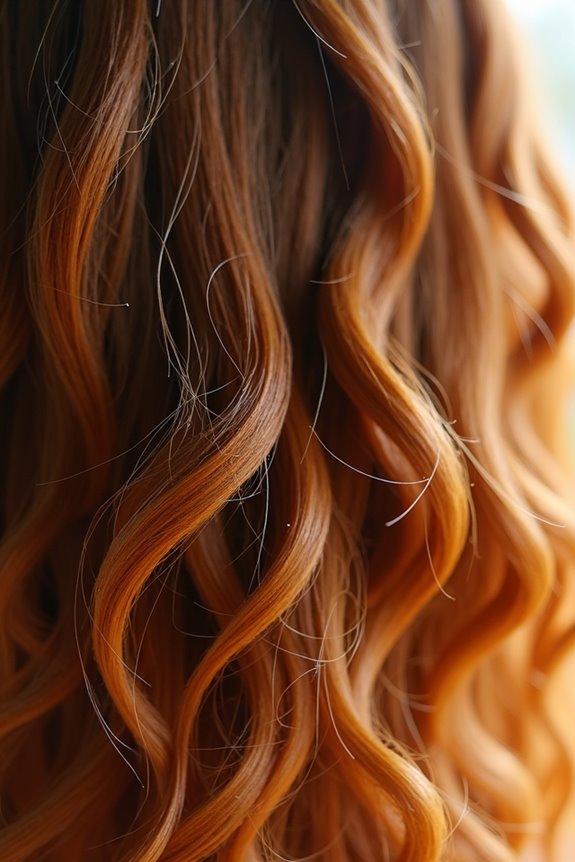
Does Adding Oil to Henna Change How Long to Wait?
Many people ask me if mixing oil into their henna paste affects how long they should leave it on. The straightforward answer is no; your waiting duration stays the same.
Here’s what I’ve found with oil-enhanced henna:
- Oil improves paste texture and moisture retention during application
- Peak dye potency timeline remains unchanged regardless of oil addition
- Coconut or olive oil provides conditioning benefits while henna processes
- Your hair receives nourishment throughout the standard processing time
The oil doesn’t speed up or slow down dye release. You’ll still achieve optimal color results using your normal processing schedule. What changes is how your hair feels during the wait. That richer, more nourishing paste can make the experience more comfortable while you’re getting the conditioning treatment your hair needs.
Color Deepens After Rinsing: The 24–48 Hour Oxidation Window
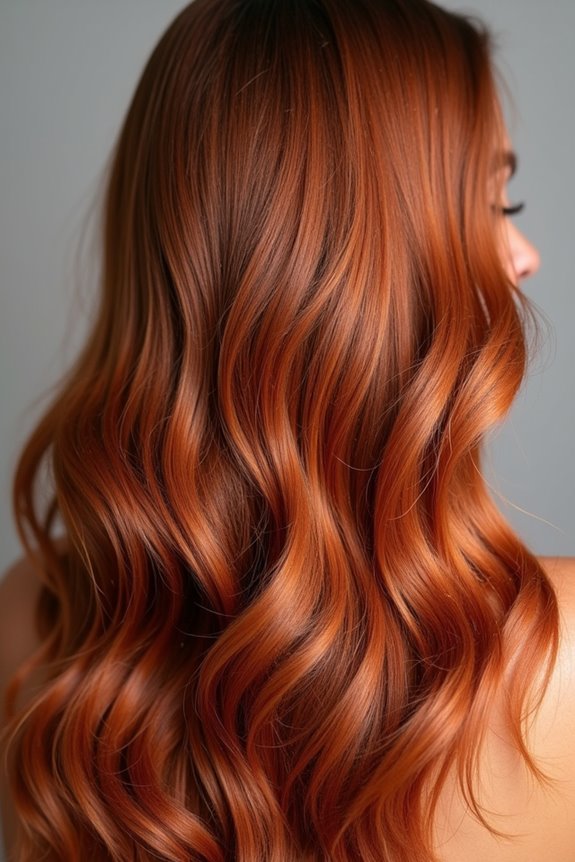
Why does your henna color look different the day after you rinse it out? Oxidation continues working even after you’ve removed the paste. During the first 24–48 hours, your finish color deepens significantly, shifting from bright orange to rich reddish-brown tones.
Henna color continues deepening for 24–48 hours after rinsing as oxidation transforms bright orange into rich reddish-brown tones.
This post-rinse development happens naturally as oxygen interacts with the dye molecules. You’ll notice the strongest, fullest color emerging within this window, not immediately upon rinsing.
What matters most: keep the area dry initially. Don’t wash your hair or expose it to excess moisture during this period. Rinsing too early compromises color development, leaving you with a lighter, less vibrant result.
Wait the full 24–48 hours, and you’ll appreciate the depth you’ve earned.
Common Henna Timing Mistakes That Ruin Results
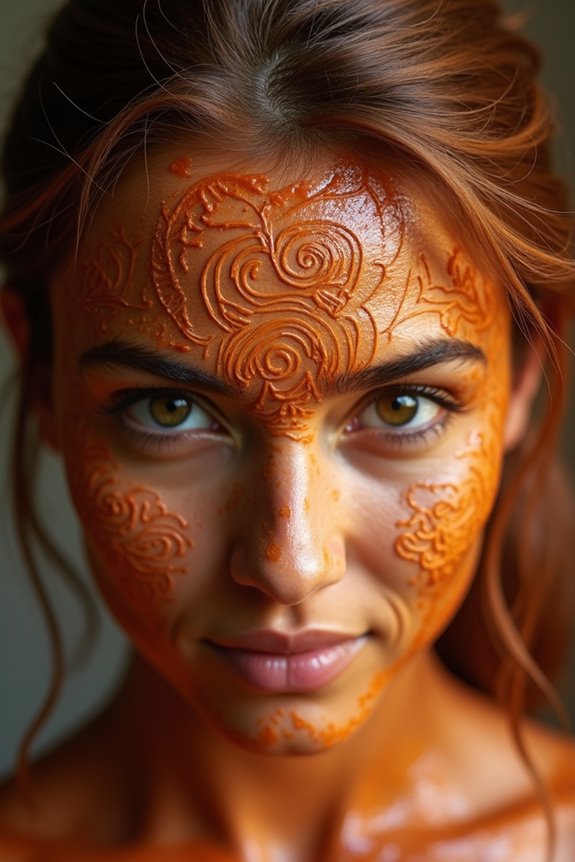
It’s tempting to think that leaving henna on longer will deepen your color, but you’d actually be working against yourself. The timing window for henna is strict; once you miss the peak dye release, your results suffer. I see people make these costly errors repeatedly:
- Leaving henna overnight or 24 hours, thinking extended time equals darker color
- Skipping quality henna, then compensating with longer application times
- Ignoring the 3–4 hour sweet spot that maximizes color without damage
- Applying henna without considering your desired shade, leading to over-processing
The truth is potency declines after optimal processing time. You’ll only dry out your scalp and hair while getting disappointing color. Respect the timing window, invest in quality henna, and you’ll achieve the results you want.
Signs Your Henna Has Processed Long Enough
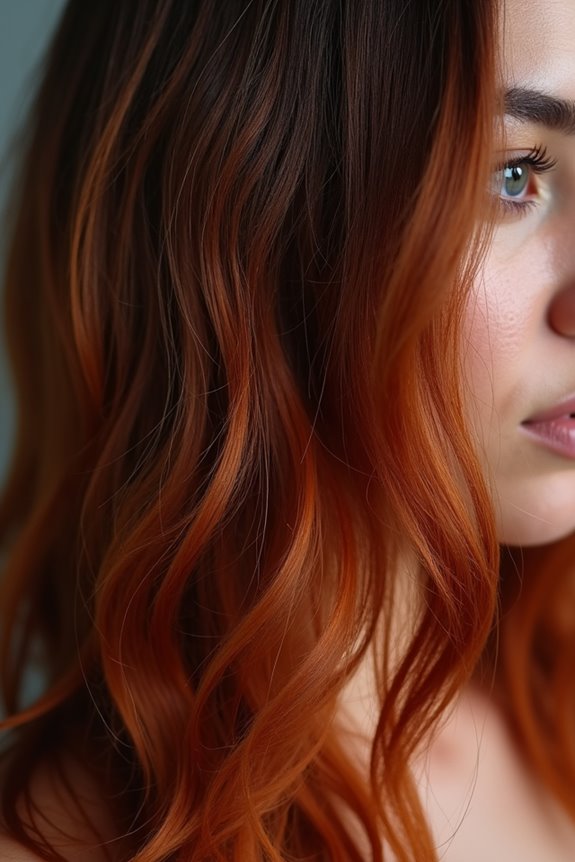
Peak dye release typically happens within 3–4 hours of your sit time. You’ll notice the paste starts feeling drier on your scalp, and the color underneath appears darker when you peek. This visual shift signals that maximum dye has transferred to your hair.
Don’t extend your sit time beyond 4–5 hours expecting better results. Longer sessions won’t boost color potency. Instead, you’ll risk diminished staining efficacy.
Here’s what to look for: the paste should feel firm but still pliable. Your hair underneath should show rich, dark staining when you gently lift an edge. That’s your green light to rinse thoroughly and begin your 24-hour waiting period for full color development.