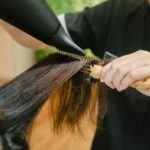
Layers make thin hair look thicker by removing weight from dense sections and redistributing that density strategically. When your stylist cuts shorter pieces near your crown, you get instant lift and the illusion of thicker strands. Mid-length layers add movement and texture that catch light differently, creating dimension that flat hair cannot match. This repositioning of volume, rather than adding extra strands, is what creates fullness. The right layer placement changes how your hair sits and moves throughout your day.
How Layers Create Volume Illusion for Thin Hair
Why does layered hair look fuller than one-length styles? Layered hair scatters light differently across your strands, creating dimension that tricks the eye. When I remove weight from dense sections, I redistribute that density strategically. This technique boosts volume at your crown without adding length.
The magic happens through movement. Layers add texture and variation that one-length cuts simply can’t match. Strategic placement near your crown lifts hair, making strands appear thicker from the front and sides. Subtle, long layers or face-framing pieces preserve your length while enhancing fullness.
When you style layered hair with textured waves or loose curls, you’re amplifying what the cut already creates. This combination gives thin hair more substance and presence.
Why Weight Distribution Matters for Thinner Hair
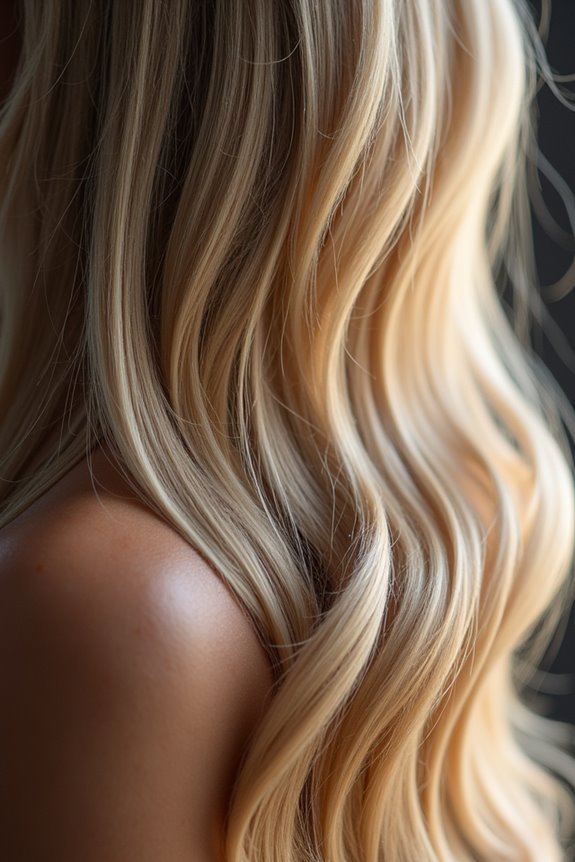
When you have thinner hair, the placement of volume significantly affects how full your style appears. Removing weight from areas that don’t require it and strategically adding fullness where it matters allows your hair to look noticeably fuller. By balancing density distribution through thoughtful layering choices, you create an optical effect that allows each strand to contribute more effectively to your overall style.
Removing Excess Weight
it doesn’t need more strands; it needs better distribution. When you’ve got fine hair, excess weight flattens everything down. Layering removes that bulk strategically, redistributing density where you actually need it.
Think of it this way: bulky sections pull your hair down and kill volume at the crown. By shedding weight from thick areas, layering prevents that flat, lifeless appearance. You’re not removing hair; you’re repositioning it intelligently.
This redistribution creates lift exactly where it matters most. Your crown gets the boost. Mid-lengths gain movement. The result is hair that looks fuller and bouncier without actually adding strands. Weight removal done correctly delivers visible volume, and you’ll notice your hair holds body longer throughout the day.
Strategic Volume Placement
Strategic Volume Placement
Thicker-looking hair comes from cutting smarter, not necessarily cutting more. The placement of layers by your stylist matters tremendously. I focus on distributing weight strategically so your hair looks fuller without actually adding bulk.
Here’s how strategic volume placement works:
- Crown placement — Shorter layers at the top create lift and the illusion of density
- Mid-shaft positioning — Layering here adds movement while maintaining thickness throughout
- Weight distribution — Removing excess bulk prevents that unflattering triangle silhouette
- Depth creation — Varying lengths disrupt flatness and boost perceived fullness
When I layer your hair strategically, I’m not cutting randomly. I’m repositioning volume exactly where you need it. This approach prevents thinness while enhancing your natural texture. The result is hair that appears thicker and healthier.
Balancing Density Distribution
Why does weight matter more than length when you’re working with thinner hair?
Heavy hair clings to your scalp, flattening everything. Layering removes that excess weight, redistributing density strategically. I’ve seen how this works with fine hair; it moves instead of droops.
| Problem Area | Layering Solution | Result |
|---|---|---|
| Flat crown | Short layers near top | Instant lift |
| Limp ends | Textured mid-length layers | Movement and bounce |
| Stringy appearance | Varied layer depths | Visual fullness |
Think of density distribution like furniture arrangement. You wouldn’t cram everything into one corner. Spacing out your layers creates the same effect; your eye perceives thicker, fuller hair because the cut adds variation and depth throughout.
When I consult clients, I focus on placement over length. Strategic layering creates breathing room, letting each strand contribute to your overall fullness.
How Movement Adds Fullness to Fine Hair

Ever notice how straight hair can look limp, while wavy hair appears fuller? That’s because movement creates visual density. When you add waves or texture to layered hair, you’re building shadows and highlights throughout. This trick makes thin strands appear thicker than they actually are.
Here’s how movement enhances fullness:
- Waves scatter light differently across each layer, creating depth
- Curls add volume by occupying more physical space
- Textured styling breaks up flat sections that reveal your scalp
- Varied shapes fool the eye into perceiving more hair
With fine hair, you don’t need heavy layers. Instead, ask your stylist for long, light layers that move easily. Pair them with beach waves or soft curls using a curling iron or sea salt spray. This combination gives you the fullness you’re after.
Crown Layering Lifts Your Entire Silhouette

Strategic layers at your crown do something powerful: they instantly lift your whole head of hair. When I remove excess weight from this top section, I’m redistributing density toward your sides and ends. This creates the fullness you’re looking for.
Crown layering works because it adds dimension and shadows. These visual effects make hair appear thicker from root to tip. Your overall silhouette changes; it looks fuller without sacrificing length.
The practical benefit? Proper crown placement balances your face shape while boosting volume. Whether you have fine hair or a naturally flat crown, strategic layering delivers results. It’s the accessible solution that gives you the thick, voluminous look you want.
Strategic Layer Placement for Fine Hair
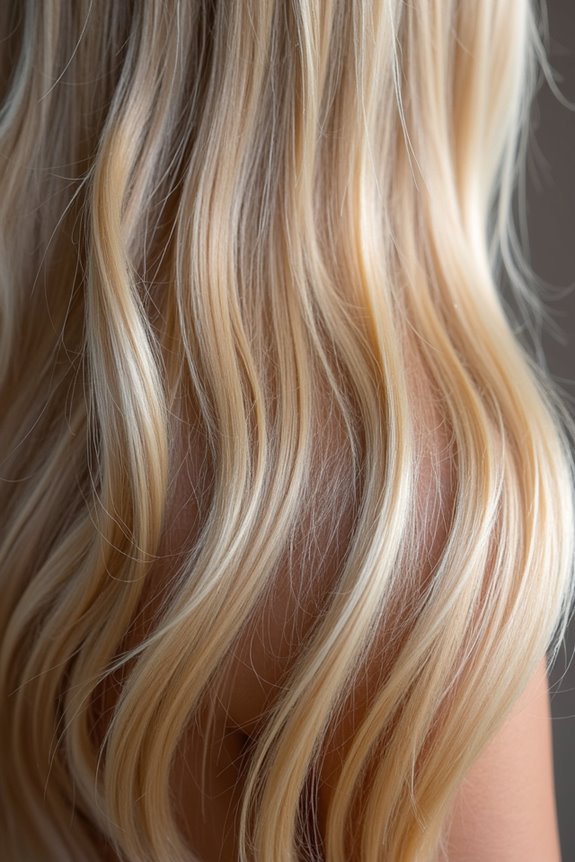
When you’ve got fine hair, placement matters more than anything else. I’m talking about where your stylist actually cuts those layers. The goal is creating volume without thinning everything out.
Here’s what I recommend:
- Remove weight from your mid-length sections to concentrate density at the crown
- Use light, hidden layers that add movement without sacrificing overall thickness
- Position cuts strategically to create depth and shadow effects
- Work with your stylist to match layer density to your specific texture
Your layered hair works best when it’s customized for you. Light layers give fine hair the illusion of more body. The depth they create tricks your eye into seeing thicker strands. That’s what makes this approach effective.
Styling Techniques That Unlock Your Layers’ Full Potential
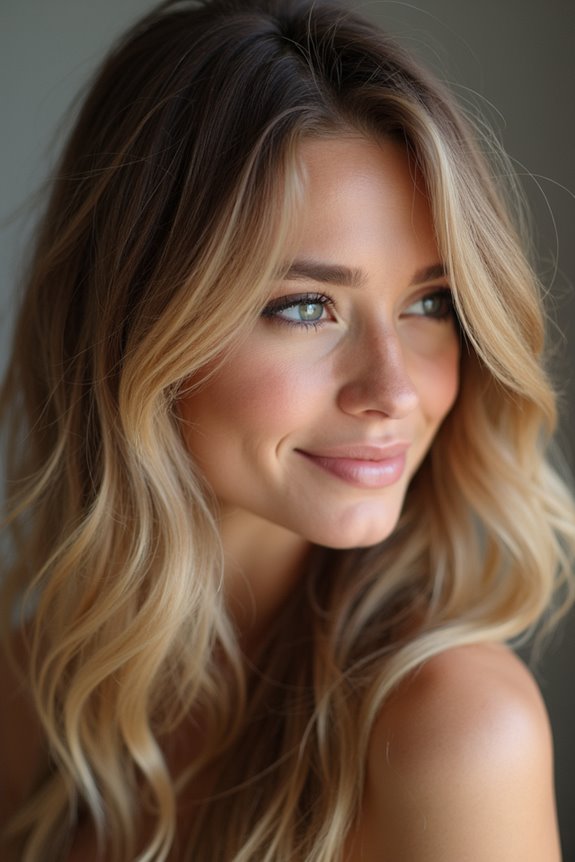
Now that you’ve got the right layers in place, it’s time to style them properly. Textured waves and loose curls amplify the volume your layered hair already creates. This movement converts those strategic cuts into a thicker silhouette.
I’d recommend using a texturizing spray or sea salt spray before styling. These products grip your layers, giving them definition without weighing you down. Then use a curling iron or wand on alternating sections to create dimension that catches light beautifully.
Blow-dry with a diffuser attachment for added texture. Point the nozzle upward to lift roots and enhance fullness. Finger-comb while drying rather than brushing to preserve texture and maintain that plump appearance you’re after.
Layered Cuts That Actually Work for Thin Strands

I’ve found that the best layered cuts for fine hair focus on strategic crown placement and texture rather than heavy bulk. Instead of removing tons of hair, you’ll want minimal layers positioned at your crown to lift your look while keeping enough density throughout. Think soft, piecey ends and subtle movement, not choppy chunks, because that’s what actually makes thin strands appear fuller without compromising what you have.
Strategic Crown Placement
Strategic Crown Placement
Because the crown is the highest point on your head, it’s your best tool for creating the illusion of thicker hair. Strategic crown placement with layering redistributes weight and lifts hair where it matters most. This approach works well for fine textures that need that extra boost.
What makes crown placement effective:
- Lifts hair at the roots without removing excessive length
- Reduces bulk elsewhere while adding vertical volume
- Creates visible body that lasts throughout the day
- Works with your natural texture instead of against it
A skilled stylist tailors crown layering to your face shape, keeping the lift natural and proportional. You’ll notice your hair feels fuller and appears thicker without that helmet-like flatness. This technique delivers results for thin strands by working within your hair’s natural properties rather than fighting against them.
Texture Over Heavy Bulk
What if the secret to thicker-looking hair isn’t adding more strands, but strategically removing weight?
I focus on texture-focused layering rather than blunt cuts that flatten thin hair. Soft waves and piecey ends create dimension that makes your strands appear fuller without relying on heavy products.
When I layer your hair, I’m redistributing density strategically. Light layers from mid-shaft to ends add movement and lift, giving you that fuller appearance you’re after. This approach works because texture catches light differently than flat surfaces.
The key is tailoring placement to your specific hair type. Consulting with me means your layers amplify fullness rather than create wispy sections. You’ll get genuine thickness through smart layering choices that enhance what you already have.
Choosing the Right Stylist for Thin Hair Success
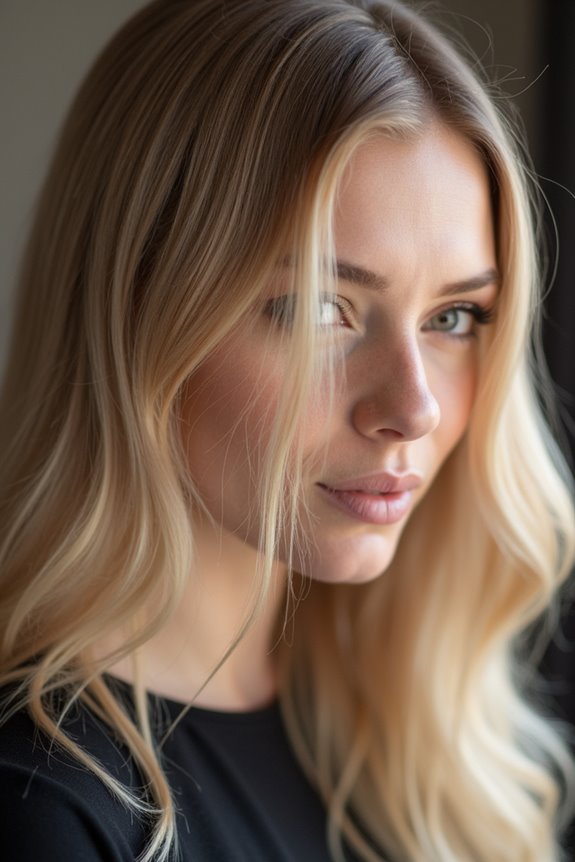
Finding a stylist who understands thin hair layering will significantly affect your results. Not every stylist masters this specialized technique, so verify their experience beforehand.
Finding a stylist skilled in thin hair layering is crucial—not all stylists master this technique, so verify experience first.
When searching for your ideal stylist, consider these steps:
- Ask about their specific experience with fine, long hair and layering techniques
- Request a portfolio with before-and-after photos of thin-haired clients
- Request a demo or test section before committing to the full cut
- Discuss how they’ll pair your layered cut with styling methods for maximum fullness
Stylist expertise in layering directly impacts whether your hair achieves fuller appearance. A skilled professional understands how to distribute density strategically, ensuring your cut works with your hair type rather than against it.
Maintenance Reality: What Upkeep Really Involves
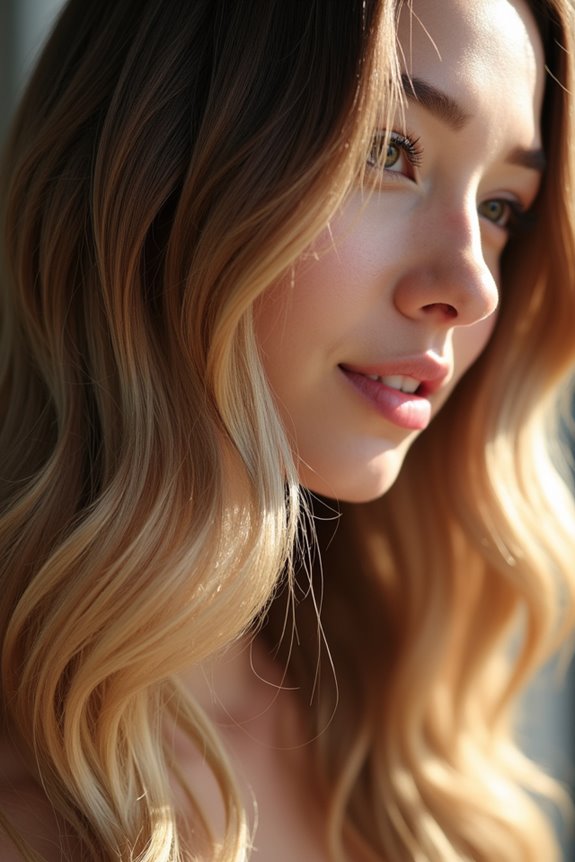
While layered cuts create that coveted fuller appearance, they do require ongoing commitment to keep looking their best. I’ll be honest: maintaining volume and layers takes dedication, but it’s totally manageable once you understand what’s involved.
| Maintenance Task | Frequency | Why It Matters |
|---|---|---|
| Salon trims | Every 6-8 weeks | Prevents bulk, maintains shape |
| Blow-dry styling | 2-3 times weekly | Defines movement and layers |
| Product application | Daily | Keeps texture defined |
| Growth touch-ups | Monthly checks | Preserves fullness illusion |
| Shaping appointments | Every 8-12 weeks | Retains designed balance |
Your layers need regular trims to prevent them from elongating and losing that fuller effect. You’ll also invest in quality blow dryers and round brushes; these are essential tools for styling. Between salon visits, consistent product use keeps your movement defined. Monthly growth causes shorter layers to diverge from longer ones, so staying on top of maintenance preserves that intended density you’re seeking.
Growth and Timing Challenges With Layered Styles

As your hair grows roughly half an inch monthly, those short layers take longer to blend with longer sections, which can temporarily throw off your cut’s shape. You’ll face a choice during the grow-out phase: either embrace the in-between look or trim frequently to maintain definition. I’ll explain why chopping to match the shortest layer often backfires. Understanding this timeline helps you decide whether layered styles fit your lifestyle or if you’d prefer less demanding maintenance.
Managing The Grow-Out Phase
Why does your layered cut start looking choppy after a few weeks? Shorter layers need time catching up with longer lengths. During this transition, your layered haircuts won’t blend smoothly, creating an uneven silhouette that limits styling options.
Navigate the grow-out phase successfully with these strategies:
- Avoid chopping to shortest layers — this shortens your overall shape and demands frequent trims
- Request slightly longer, well-blended layers — they minimize stark transitions as hair expands
- Schedule maintenance trims every 6-8 weeks — this keeps your style balanced without sacrificing length
- Embrace styling techniques — use curling or products to blend layers during awkward stages
Planning strategically with your stylist keeps movement in your cut and maintains a polished appearance throughout the transition.
Timeline For Layer Blending
Understanding your hair’s growth rate helps you plan realistic expectations for layered styles. Your hair grows about half an inch monthly, which means shorter layers need time to catch up with longer ones. During this grow-out phase, you’ll notice an uneven silhouette as different lengths blend gradually.
I recommend scheduling maintenance appointments every 6-8 weeks to refresh your layers and maintain fullness. This timing prevents your shortest layers from becoming too short while longer sections grow out. Between cuts, you can still style your hair to appear fuller using the right techniques.
Planning ahead helps you embrace the growth process without frustration. When you understand this timeline, you’re better equipped to maintain your layered look’s shape and achieve the thickness you’re seeking.
Why Layers Fail on Fine Hair: And How to Prevent It
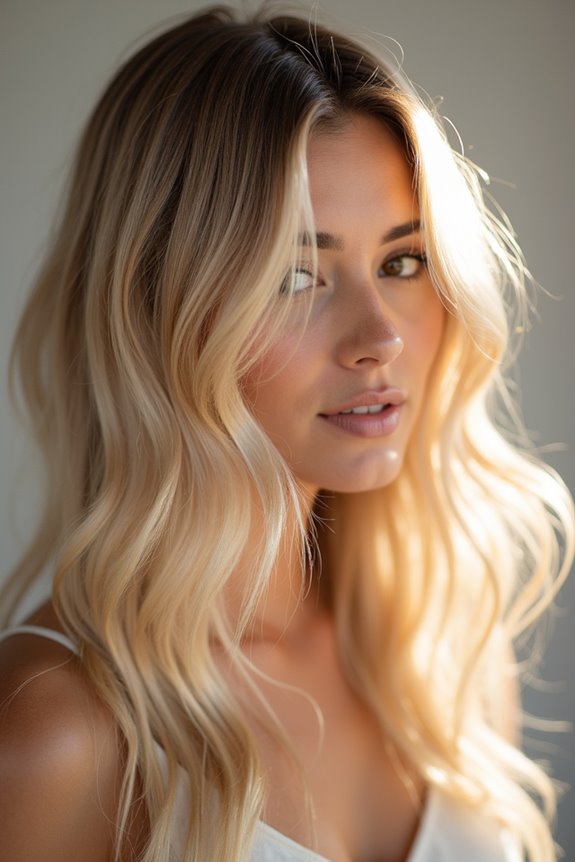
Many people think layering automatically creates thickness, but that’s not always true for fine hair. I’ve seen stylists make mistakes that leave hair looking wispy instead of full. The key is understanding what works for your hair type.
Here’s how to prevent layer failure:
- Choose long, subtle layers over choppy, short ones that expose thin spots
- Focus weight near the crown to build perceived volume where it matters
- Find a stylist experienced with fine hair since technique directly determines results
- Style strategically using gentle blow-drying with a round brush for lift
The right approach to layers works well on fine hair. You’ll notice the difference when your stylist places volume exactly where you need it most.