
Short hair won’t automatically make you look slimmer or fatter. What matters is the cut’s geometry, your styling choices, and how well it complements your face shape. A layered pixie with face-framing layers elongates your face, while a blunt cut might emphasize roundness. Crown volume and strategic parting create vertical lines that slim your appearance. Your daily styling routine, whether you blow-dry or air-dry, also influences the final effect. The right cut tailored to your features will flatter your look.
Why Cut, Length, and Styling Matter More Than Hair Length Alone
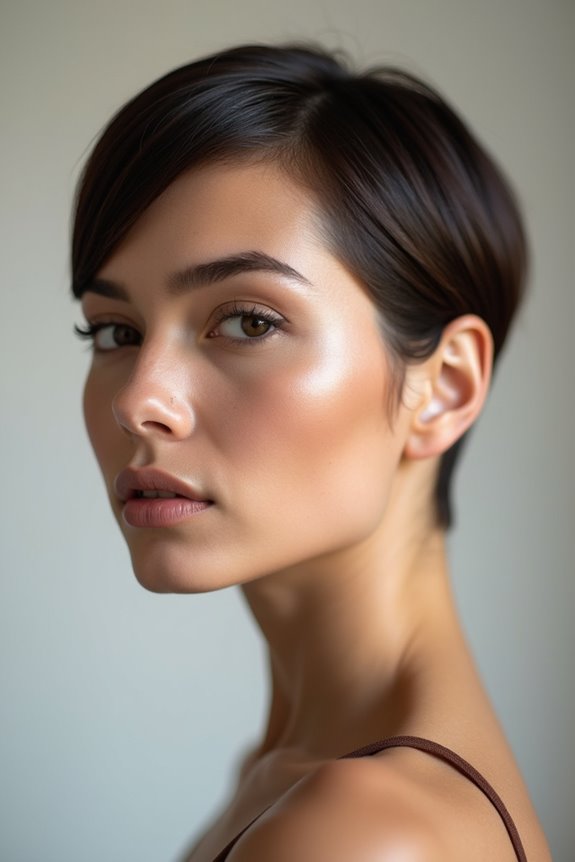
A short haircut won’t automatically make you look slimmer. What actually matters is how you cut, style, and maintain it.
The shape of your cut determines everything. Face-framing layers create vertical lines that elongate your face. A pixie cut might accentuate roundness, while a textured bob adds dimension for a thinner appearance. Length alone doesn’t do the work; the cut’s geometry does.
The cut’s geometry matters more than length—face-framing layers elongate while textured cuts add dimension and flattery.
Your styling choices matter equally. Side parts and asymmetrical cuts create visual interest that slims your face. Styling your hair away from your face amplifies this effect. Daily maintenance also counts. Heavy products or frequent heat styling can add bulk, making any length look heavier.
Think of it this way: you’re not just choosing length. You’re choosing the complete package of cut, styling, and care that works for your unique face shape.
Your Face Shape: The Foundation for Short Hair Success
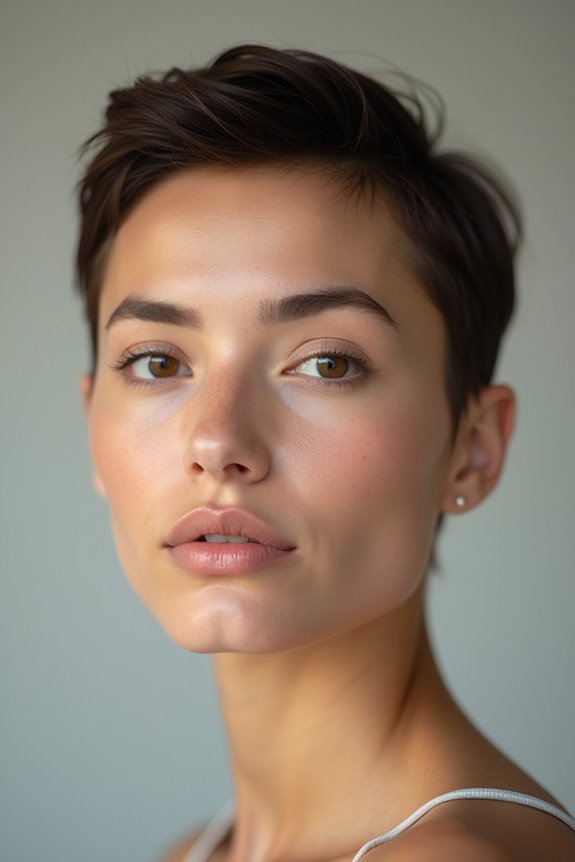
Your face shape is your starting point for choosing a short cut that flatters you. Understanding whether you have a round, oval, or square face matters because what works well on one shape may not work on another. Once you know your face shape, you can match it to the right cut and styling techniques that deliver the look you want.
Round Faces And Pixies
If you’ve got a rounder face shape, you might think short hair isn’t your best option, but that’s actually a misconception. A pixie cut can work beautifully for you. The key lies in strategic styling choices that draw attention upward rather than across your cheeks.
Face-framing layers are your best asset. They soften cheek fullness while creating vertical lines that elongate your face. Wispy bangs add dimension without emphasizing width.
The real benefit comes when you work with a skilled stylist who understands your specific proportions. They’ll position your pixie to highlight your jawline and cheekbones instead of broadening them.
You’re not limited to longer styles. With proper layering and cut placement, short hair can give you the slimmer appearance you’re seeking.
Oval Faces Embrace Versatility
What makes oval faces ideal for hairstyling? Your balanced proportions provide a canvas for creativity. Oval faces work beautifully with nearly any short hair style, from pixies to bobs. Layered cuts add dimension without creating unflattering emphasis. Textured finishes give you volume while maintaining proportion.
Here’s what makes oval versatility effective:
- Bangs and face-framing layers enhance jawline definition
- Controlled texture keeps short hair flattering and adaptable
- Cut length tailoring optimizes your individual features
A stylist who understands personalization can adjust these techniques specifically for you. They’ll modify texture, length, and layering based on your face shape. This tailored approach means your short hair will look good and help you feel confident in your style.
Matching Cut To Shape
The right short haircut starts with understanding one simple fact: face shape determines whether short hair flatters you or works against you. When you match your cut to shape, you’re setting yourself up for success.
Round faces need pixie cuts that enhance cheekbones rather than bobs that broaden features. Square faces benefit from shoulder-length cuts with soft layers that reduce perceived heaviness. Heart-shaped faces look best with wispy, layered cuts emphasizing cheekbones without bulk.
Diamond faces work beautifully with sharp bobs and side parts that maintain facial symmetry. Oval faces are versatile enough for layered bobs that add texture and volume.
The key is to understand your face shape first. Then choose your short haircut accordingly. That’s when results happen.
Best Cuts for Different Face Shapes (Asymmetrical Bobs, Layers, Chin-Length)
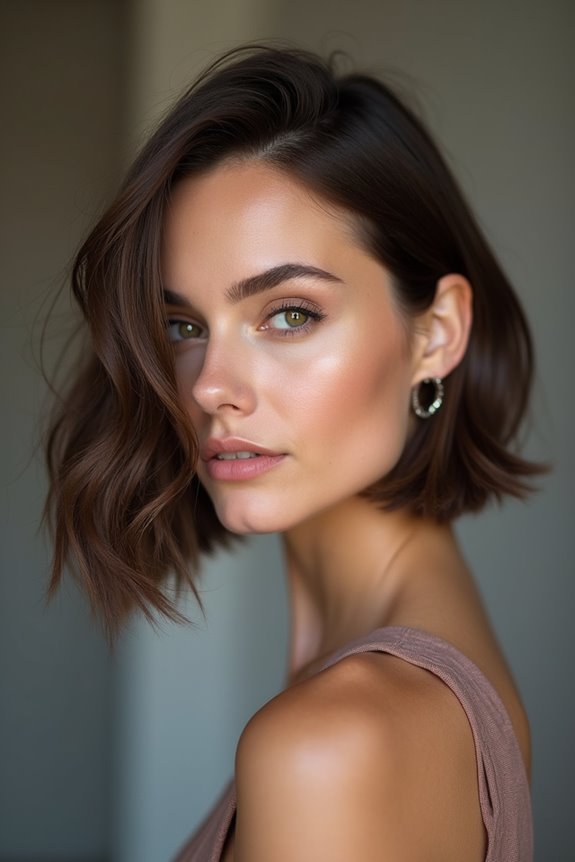
Now let’s explore which cuts work best for your specific face shape. I’ll walk you through three popular options: pixie cuts for round faces, layered bobs for oval faces, and asymmetrical bobs for elongation. Each option helps you find the style that flatters you most. These cuts use strategic angles and length to either soften features or create the illusion of a slimmer profile.
Round Faces and Pixie Cuts
How can you choose a short hairstyle that actually flatters a round face instead of emphasizing its width? Pixie cuts offer an excellent solution for your face shape concerns. Unlike blunt bobs that highlight roundness, pixie cuts accentuate your features while avoiding that fuller appearance.
The key lies in strategic texture and layering. Ask your stylist for choppy layers and angled cuts around your jawline. These details soften round contours while creating visual length. Textured pixie styles work better than sleek, blunt versions for your needs.
Consider pairing your pixie with longer front sections. This variation mimics the elongating effect of asymmetrical bobs, creating a slimmer silhouette. You’ll find this approach balances your proportions beautifully while maintaining the low-maintenance appeal you want from short hair.
Oval Faces and Layered Bobs
If you have an oval face shape, layered bobs work beautifully for you. This short hair style creates dimension while maintaining balanced proportions. Here’s what makes a layered bob ideal for your face:
- Adds texture and volume without enlarging your jawline
- Creates a slimmer silhouette through asymmetrical front angles
- Softens the chin area with strategic layering
When styling your layered bob, keep pieces away from your cheeks and jawline. This preserves that elongated, slimming appearance you’re after. The layers frame your natural features while enhancing symmetry. Chin-length cuts work especially well when you incorporate layering near the chin. This approach creates a flattering look that complements your face shape.
Asymmetrical Bobs for Elongation
While layered bobs work well for balanced oval faces, asymmetrical bobs take the slimming effect further. This face shape benefits from strategic length placement.
An asymmetrical bob with shorter back and longer front creates immediate elongation. The angled design draws your eye downward, making your face appear narrower and more refined. Center-parting enhances this effect by mimicking longer hair’s lengthening properties while keeping things modern.
The key advantage is avoiding bulk at your sides. When hair adds width around your cheeks and jaw, your face looks fuller. Asymmetrical cuts eliminate this problem through intentional angle work.
For your face shape, aim for chin-length asymmetrical styles. Pair them with lighter volume at your crown to emphasize that elongated silhouette you’re pursuing.
The 2.25-Inch Rule: Does Short Hair Suit Your Face?
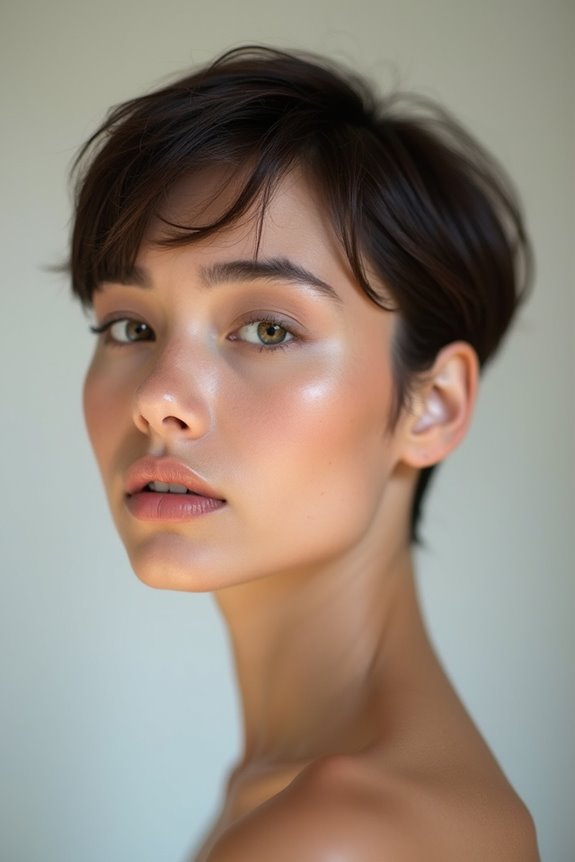
The 2.25-Inch Rule: Does Short Hair Suit Your Face?
Ever wondered if there’s a practical way to determine whether short hair will flatter your face? The 2.25-inch rule offers a straightforward tool to assess your face shape before committing to a shorter cut.
The 2.25-inch rule offers a straightforward tool to assess whether short hair will flatter your face shape.
Here’s how it works:
- Measure from your ear lobe to your chin’s longest point. If this distance is less than 2.5 inches, short hairstyles typically suit you well.
- Use this as your starting point. It’s not definitive, but it guides your decision-making process.
- Consider a gradual approach. Try a mid-length bob first if you’re near the threshold.
This guideline won’t replace professional consultation, but it provides a useful reference point for exploring whether shorter styles work for your unique features.
Styling Techniques to Make Short Hair Elongate Your Face
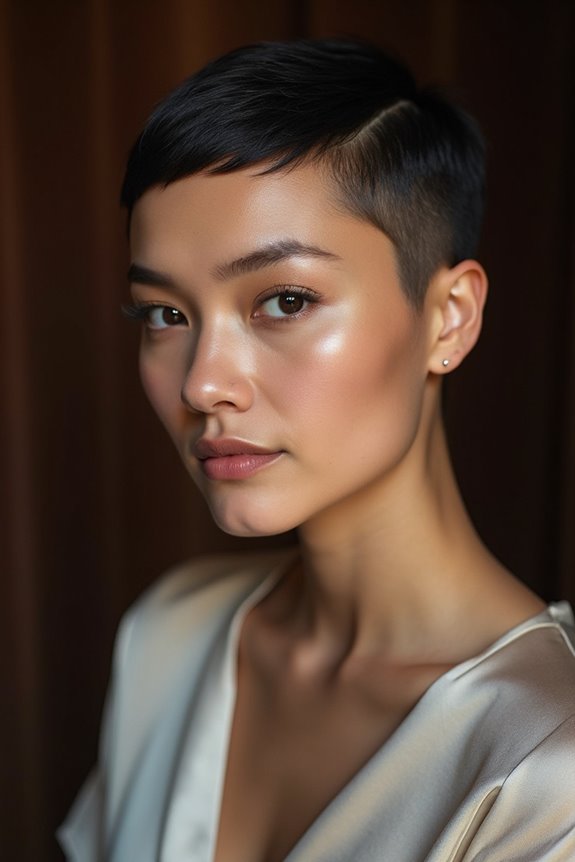
Making Short Hair Work for a Rounder Face
Short hair suits round face shapes when you use the right styling techniques. Vertical lines and strategic styling choices help elongate your face proportions.
Add Crown Volume
Style short hair with height at the crown. This upward movement draws the eye vertically, creating the appearance of a longer, slimmer face.
Embrace Texture
Choose textured, layered cuts instead of blunt styles. Movement and texture add dimension that creates a slimmer profile without heaviness.
Perfect Your Part
Side parts work well for rounder faces. An off-center part guides the eye along an oblique path, softening your face shape and reducing the appearance of roundness.
Frame Your Forehead
Use face-framing layers or wispy bangs to streamline your jawline. These elements keep focus on vertical features rather than width.
Visualizing Short Hair Before Committing
Visualizing Short Hair Before Committing
How can you know if short hair will actually work for you before you take the plunge?
I recommend using visualization tools to test different styles on your own photos. This approach lets you explore options safely without committing to scissors.
Move forward confidently with these steps:
- Use hairstyle apps to simulate short looks and see how they interact with your face shape
- Consult a stylist about flattering options tailored to your specific features and hair type
- Try a hairstyle trial by starting with a mid-length bob, then gradually shortening as you build comfort
Consider starting slightly longer than desired. This low-risk approach gives you time to assess the cut’s impact on your appearance. Personal experimentation combined with visualization helps you discover what actually works for your unique features.
Short Hair and Your Daily Routine: Maintenance Realities
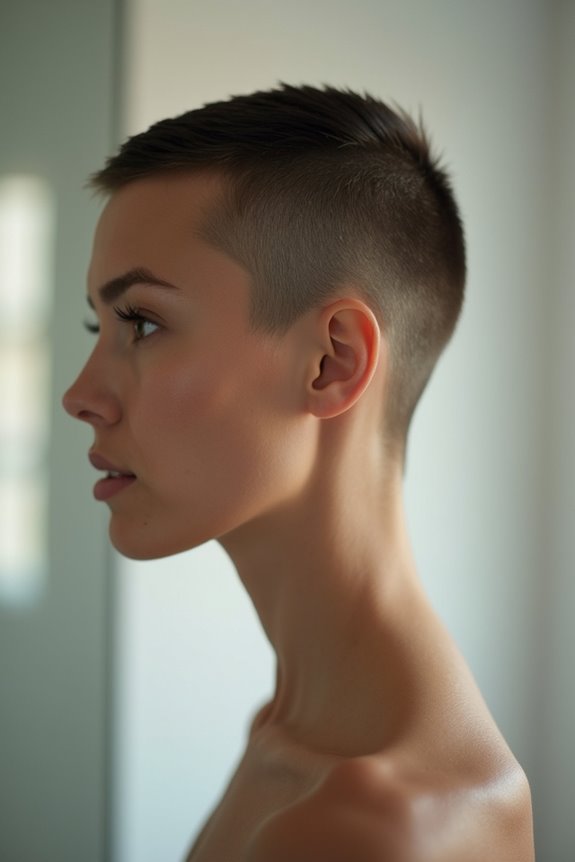
Before you commit to short hair, consider the daily upkeep it will demand. Shorter hair typically requires styling attention most days to look its best. You’re looking at salon visits every one to two months for trims and shape maintenance.
However, your routine doesn’t have to be complicated. If you prioritize wash-and-go textures, you’ll minimize heat styling and product dependency. Some cuts work well with air-drying, while others require blow-dryers and styling tools.
The key is matching your cut to your lifestyle. Think honestly about your morning routine. Do you have fifteen minutes for styling, or do you need grab-and-go convenience? Your maintenance commitment directly shapes whether shorter hair simplifies or complicates your day.
Does Short Hair Work With Your Hair Type and Lifestyle?
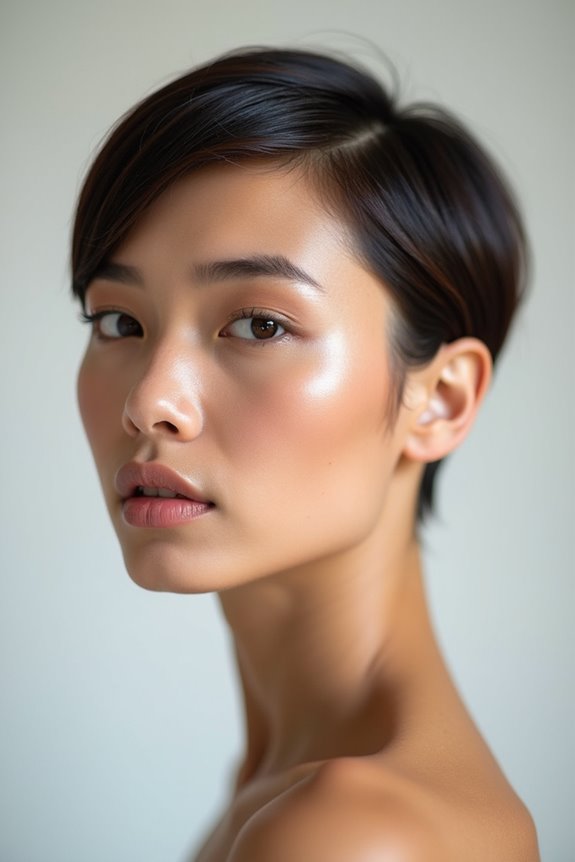
Choosing the right short haircut isn’t just about aesthetics; it’s about finding a style that works with what you have. Your hair type and daily routine matter more than you’d think when selecting a cut that flatters your face shape.
Consider these factors:
- Fine or thinning hair benefits from layered bobs or texturing that add volume without bulk. Blunt cuts can backfire with this hair type.
- Heat and maintenance needs demand daily styling and trims every one to two months to keep your shape sharp and avoid flatness.
- Your lifestyle determines whether you want low-maintenance mid-length bobs or longer pixie cuts that balance ease with slimming effects.
Work with your stylist using hairstyle apps to visualize options that complement your individual needs.