A Number 2 haircut uses a #2 clipper guard, leaving about 1/4 inch of hair on your head. It strikes a balance between an ultra-close buzz cut and longer styles; short enough for a polished, clean appearance, yet long enough to display texture and softness.
You’ll maintain minimal scalp visibility while keeping grooming simple.
This style works well on thick or wavy hair and suits most face shapes when paired with fades.
Different variations can be matched to your specific hair type and style preferences.
What Is a Number 2 Haircut and How It Looks
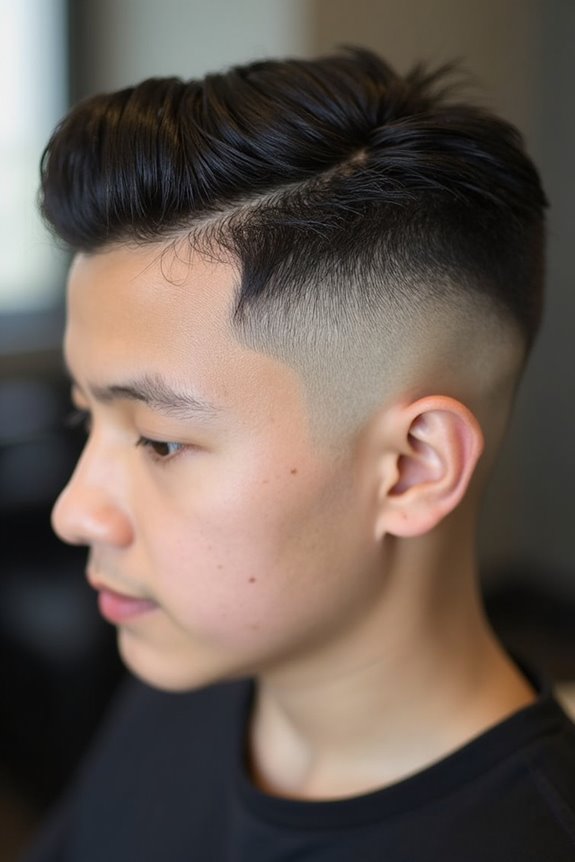
A Number 2 haircut uses a #2 clipper guard that leaves roughly 6 millimeters, or about 1/4 inch, of hair on your scalp. This numbered guard creates a short, neat appearance that sits between longer and ultra-close styles.
You’ll notice the texture that remains distinguishes it from a Number 1 buzz cut. The hair length provides subtle softness while maintaining a sharp, polished look. Scalp visibility stays minimal, giving you that clean aesthetic without appearing shaved down.
The clipper guard approach works well if you have thick or slightly wavy hair. This style suits warm climates perfectly since it’s comfortable and low-maintenance. You get the best of both worlds: a precise, professional appearance with enough texture to add dimension to your look.
How a Number 2 Compares to Other Lengths
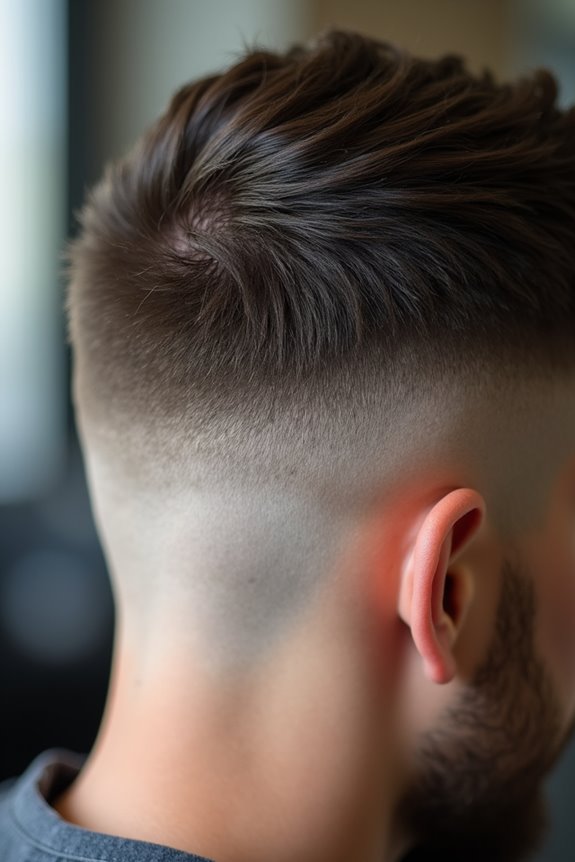
I’ll walk you through how the Number 2 stacks up against its neighboring clipper guard sizes. You’ll see why the Number 1 leaves you with a closer cut, while the Number 3 gives you noticeably more length and texture to work with. Understanding these differences helps you pick the right guard for your hair type and the look you’re going for.
Number 1 Vs Number 2
How does a Number 2 stack up against other clipper guard lengths? I’ll break down the key differences so you can choose what works for you.
A Number 1 clipper guard cuts hair down to roughly 1/8 inch, creating an ultra-close buzz. It’s minimal and clean, but it requires serious commitment to maintenance. The Number 2 gives you more flexibility. With about 1/4 inch of hair length remaining, it preserves noticeable texture and softness that the Number 1 loses entirely.
Think of it this way: Number 1 feels almost scalp-close. Number 2 lets your hair’s natural texture show through while staying sharp and low-maintenance. If you want personality in your look without daily styling, the Number 2 is your best option.
Number 2 Vs Number 3
Now let’s see where the Number 2 stands next to the Number 3. The main difference comes down to length. A Number 2 guard gives you 1/4 inch of hair, while a Number 3 leaves 3/8 inch. That extra 1/8 inch might seem small, but it noticeably changes your look’s fullness and texture visibility.
| Feature | Number 2 | Number 3 |
|---|---|---|
| Length | 1/4 inch | 3/8 inch |
| Hair Fullness | Moderate | Fuller |
| Scalp Visibility | More visible | Less visible |
The Number 2 works better for buzz cuts and tight fades when you want definition. The Number 3 offers more coverage if you prefer added volume. Choose Number 2 for low-maintenance style and Number 3 when you want slightly longer texture. Both guards blend smoothly in fade transitions.
Guard Progression And Blending
Where does a Number 2 fit into the bigger picture of clipper guards? It’s your middle-ground option in guard progression. The Number 2 guard sits between the shorter #1 and longer #3, making it ideal for creating smooth transitions.
When you’re building a fade, start with a Number 2 guard at the bottom. Then progressively increase to longer guards as you move up the head. This approach creates seamless blending.
For professional blending, use step-downs to shorter guards on the sides. Drop from your Number 2 to a #1 or no guard to avoid abrupt transitions. This technique gives you that polished, intentional look. Mastering guard progression takes practice, but you’ll develop a natural rhythm.
Does a Number 2 Work for Your Face Shape?
A Number 2 can work for your face shape when you understand how to adapt it to your features. Different face shapes, including round, oval, and square jawlines, respond well to this cut when you apply strategic fades and styling techniques. The key is matching the clipper length and fade pattern to your specific facial proportions and adjusting how you style the top to enhance your best features.
Face Shape Compatibility Guide
Three key factors determine whether a Number 2 haircut will flatter your face: your face shape, hair texture, and personal style preferences.
This clipper guard works well for most face shapes when you customize it properly. Here’s what you should consider:
- Round faces: Pair Number 2 sides with a longer, textured top to add height and definition
- Oval faces: You’re in luck. The Number 2 works naturally with your balanced proportions
- Square/angular faces: Soften hard lines using a Number 2 fade that gradually blends rather than cuts sharp
The texture of your hair matters too. Thick or slightly wavy hair holds a Number 2 guard well, creating that neat appearance you’re after. Experiment with different guard lengths on your sides to discover what feels right for you.
Styling Adjustments By Feature
Your facial features determine how you’ll customize this haircut. With a Number 2 base, you have solid scalp coverage to work with. Consider shifting to guard sizes 3–4 on top for better proportion with your face width. A fade blends shorter sides into longer lengths, which works effectively for most features.
For textured hair, the Number 2 minimizes shrinkage while maintaining that neat appearance you want. Curly hair particularly benefits from this length.
Regular maintenance every 2–4 weeks keeps your edges sharp and proportions balanced. This commitment helps your Number 2 haircut complement your unique features consistently.
Number 2 Haircut Across Hair Types
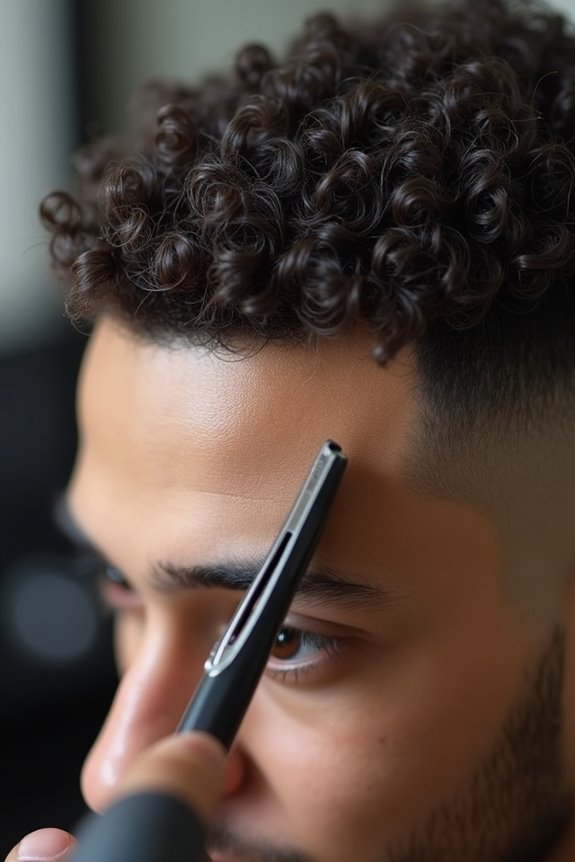
How does a Number 2 haircut look on different hair types? This clipper guard delivers different results depending on your hair characteristics. Thick hair maintains impressive texture and fullness at this length. Fine hair might show slightly more scalp visibility, requiring less frequent maintenance. Wavy or curly hair benefits from the #2 guard, as it preserves natural texture while keeping things manageable.
What to expect with different hair types:
- Thick hair: Maximum texture definition with minimal scalp visibility
- Fine hair: Cleaner appearance with more frequent touch-ups needed
- Wavy hair: Natural curl pattern remains visible and styleable
The fade technique works well across all types. This length proves versatile regardless of your hair characteristics. Whether you’re getting a buzz or textured crop, your Number 2 adapts to what you bring to the chair.
Most Popular Number 2 Haircut Styles
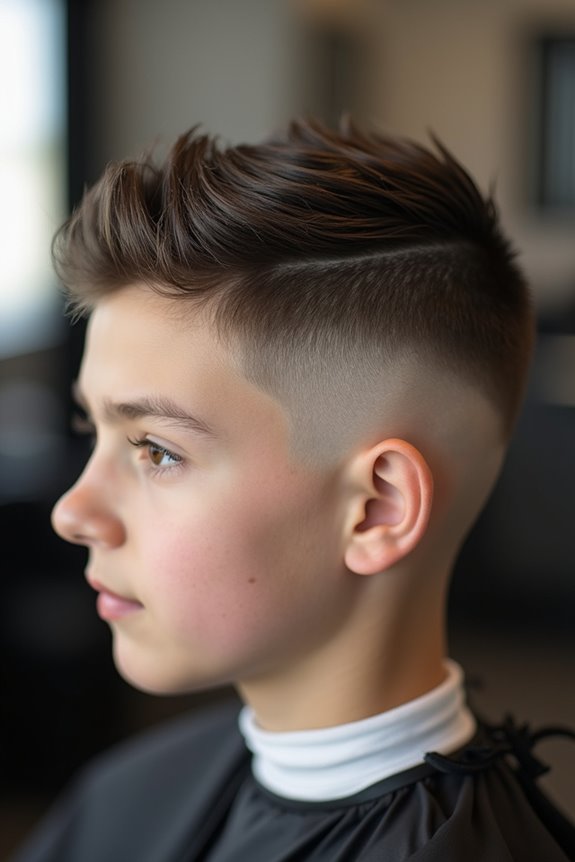
I’ll walk you through the styles I see most often in barbershops today. The Number 2 Fade remains the go-to choice because it blends that crisp #2 length smoothly into shorter sides or skin for sharp definition. You can also rock a Textured Crop with a Level 2 base, which gives you that same short foundation but adds styling and movement for a more dynamic, textured look.
Number 2 Fade Variations
The Number 2 fade stands out as one of the most versatile and popular haircut styles because it works with nearly any hair type and face shape. I’ll show you how guard progression creates smooth transitions that define your look.
Consider these fade options:
- Classic Number 2 Fade: Sides fade from a #2 clipper guard down to shorter lengths, creating dimension without harsh lines
- High and Tight: Short sides blend quickly into your longer top, giving you maximum contrast and modern appeal
- Low Fade: A gradual transition that keeps more length on the sides, offering subtle sophistication
Each variation uses strategic guard progression to eliminate that choppy appearance. The key is blending smoothly from your sides upward. This approach lets you customize how dramatic or understated your fade becomes, giving you control over your personal style.
Textured Crop And Styling
While fade variations give you control over the sides and back, a textured crop builds on that foundation by adding movement and dimension to your top. I’ll start with a numbered guard, the #2 clipper, to establish your base length at about 1/4 inch all over.
From there, I use careful scissor work to add texture and create natural volume. This textured crop works well on thick or wavy hair because it preserves enough length to sculpt while staying low-maintenance.
For styling, I recommend lightweight products like fiber or matte paste. These enhance your texture without weighing anything down. You’ll get that polished, intentional look without heavy product buildup.
The result is a sharp, versatile style that belongs in any setting, whether you’re at work or out with friends.
How Often Should You Get a Number 2 Trim?
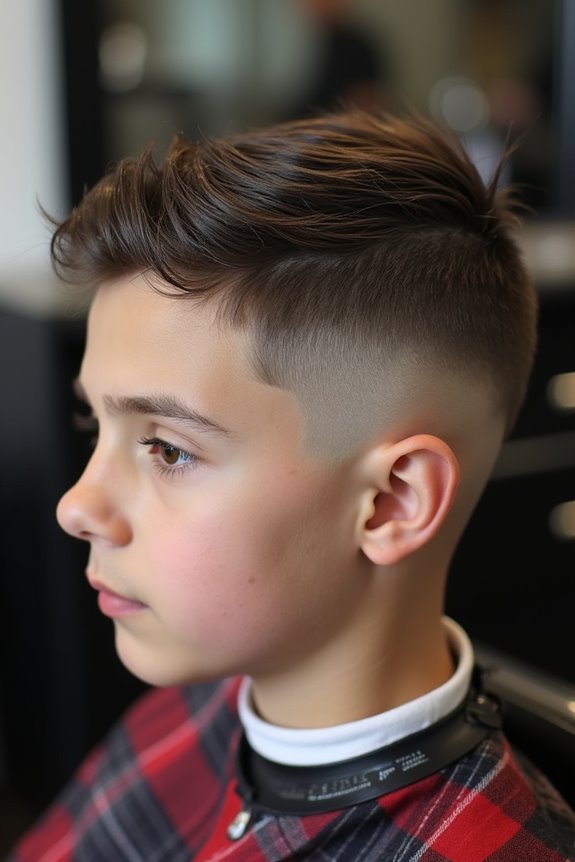
How Frequently Should You Get a Number 2 Trim?
How often you visit your barber depends on your hair growth rate and how sharp you want that look. I recommend scheduling trims every 2–3 weeks to maintain that clean, even appearance you’re after.
Here’s why staying on schedule matters:
- Clippers work best on consistent lengths. Your barber can use the same guard sizes without adjusting.
- You’ll avoid that awkward in-between phase when hair starts looking shaggy and unkempt.
- Maintenance becomes easier when you stick to a routine, keeping fade and variation lines crisp.
Your hair growth varies based on genetics and climate. If you’re in a warmer area or have particularly fast-growing hair, you might trim every two weeks. Those with slower growth can stretch to three weeks. Staying consistent keeps your Number 2 looking fresh and intentional, not accidental.
Styling and Maintaining a Number 2: Products That Work
Once you’ve locked into that trim schedule, styling becomes your next move. With a Number 2 haircut, you’re working with limited clipper length, so products matter more than you’d think. A light pomade or matte clay gives you movement without weighing down your hair. Apply it to damp hair and work it through with your fingers for a natural look.
For curly hair shrinkage concerns, consider asking your barber about a slightly higher number guard during your cut. This accounts for texture that will shrink up. Keep your maintenance simple: wash regularly and use a lightweight styling product. You won’t need heavy applications. This approach keeps your Number 2 looking fresh between visits while maintaining that clean, approachable aesthetic your community appreciates.
Barber Mistakes That Ruin a Number 2
Three critical errors can turn your sharp Number 2 into a patchy, uneven mess. I’ve seen talented barbers stumble because they overlooked these fundamental mistakes. Here’s what ruins this classic cut:
- Uneven guard pressure creates inconsistent length across your scalp, leaving some sections longer than others
- Poor blending between the #2 and shorter guards produces harsh lines instead of smooth transitions
- Skipping symmetry checks results in one side looking noticeably different from the other
When I rush my passes or start too high near the crown, the fade suffers immediately. The guard must maintain consistent contact and pressure throughout. I always verify both sides match before finishing. These details separate a mediocre cut from one that looks intentional and crisp.
Client Mistakes That Lead to Bad Results
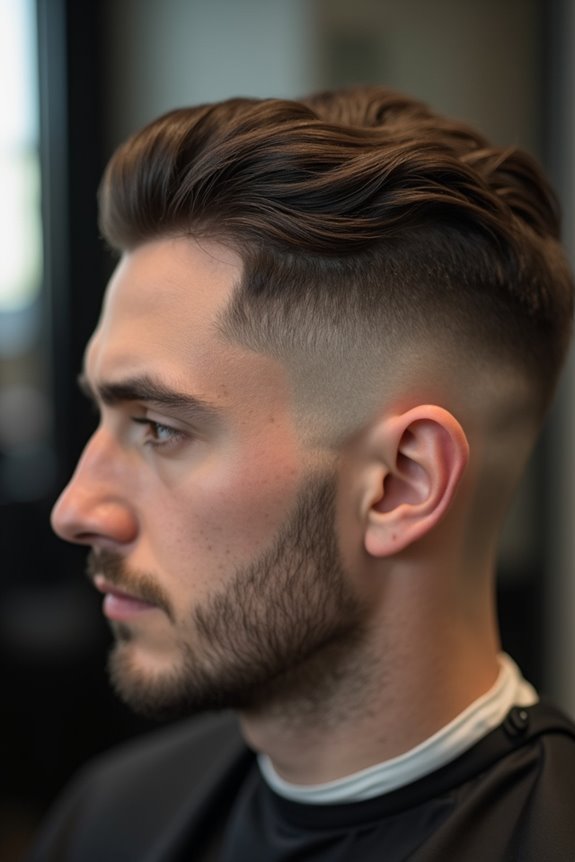
Your barber can execute the perfect technique, but you’ve got to hold up your end too. Moving your head during the cut creates uneven length across your sides. You’ll end up with ridges that ruin the whole look.
Not communicating what you want matters more than you’d think. If you don’t mention blending preferences or guard size upfront, your barber might guess wrong. That disconnect leads to results you didn’t expect.
Fidgeting throws off symmetry. Sitting still helps your barber make even passes. You’re also responsible for aftercare; maintaining the cut extends its life.
Finally, skipping follow-up appointments means you won’t catch problem areas early. A quick touch-up pass prevents the fade from looking neglected.
Professional Barber vs. DIY: When to Book an Appointment
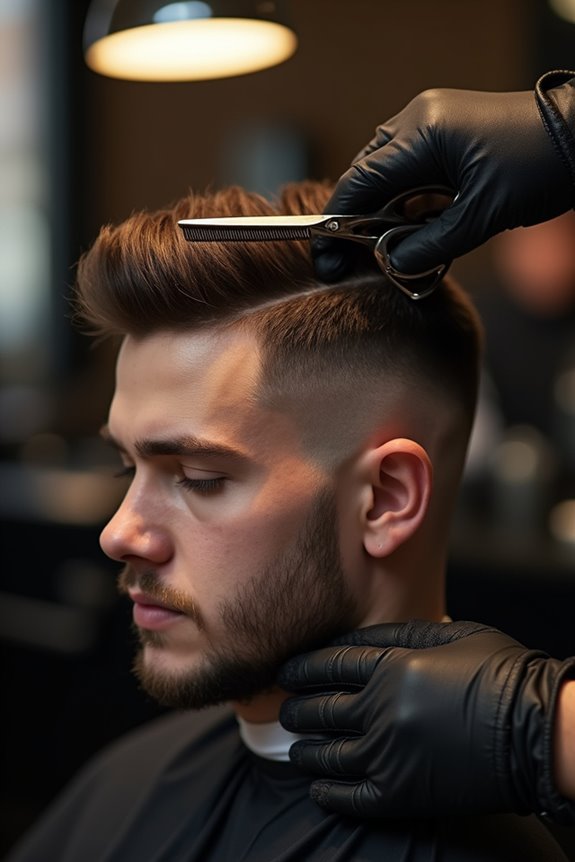
Getting a Number 2 haircut isn’t complicated, but that doesn’t mean you should grab clippers and go solo. Knowing when to visit a professional barber matters for your results.
Here’s what you’ll want to consider:
- Precision matters: A professional barber understands clipper guard angles and fade techniques that create clean lines you’ll struggle with alone.
- Your confidence counts: You deserve a fresh look that makes you feel part of the crew, not regretful.
- Maintenance saves money: Regular professional trims every 3–4 weeks actually cost less than fixing DIY mistakes.
I recommend booking an appointment for your first Number 2 haircut. Once you understand the style, you’ll know whether DIY maintenance works for you. Your barber becomes your partner in keeping that sharp look consistent.
What to Ask Your Barber for a Perfect Number 2
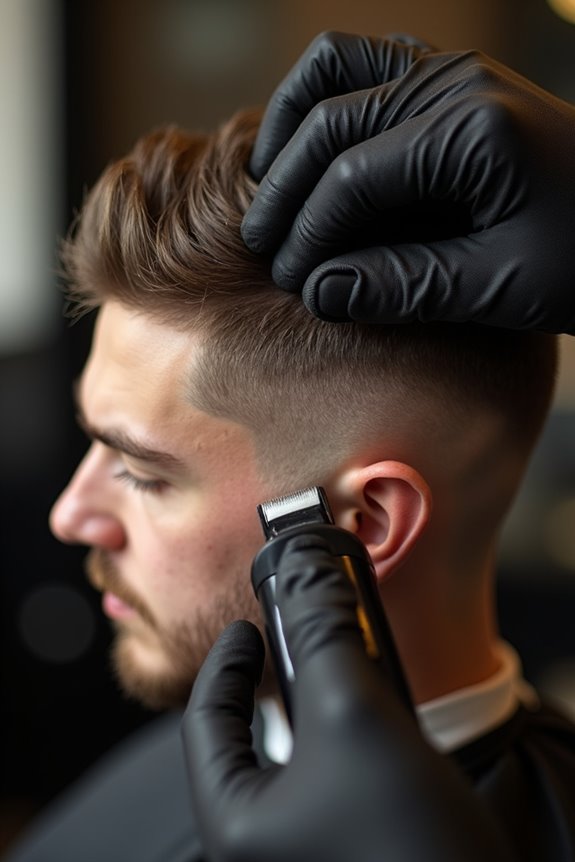
Now that you’ve decided to visit a professional, communicating exactly what you want is important. Tell your barber you’re getting a number 2 haircut using a #2 clipper guard. This simple phrase sets expectations immediately.
If you want all-over length, say “all-over number 2.” Prefer contrast? Request “number 2 sides with a longer top”; try a #3 or #4 on top for texture and style.
Discuss fade preferences too. A low, mid, or high fade adds dimension to your look. Ask about maintenance schedules. You’ll need trims every two to three weeks to keep edges crisp and length even.
Being specific prevents misunderstandings. Your barber appreciates clear direction and delivers exactly what you envision.