Growing long curls requires patience; hair grows roughly half an inch monthly. You’ll need to understand your curl pattern and porosity, then master the LOC method (liquid, oil, cream) to lock in moisture. Build a scalp-focused routine with gentle cleansing and weekly treatments. Protect your ends nightly with silk pillowcases and protective styles, trim regularly, and avoid heat damage. Fuel growth through protein, iron, and zinc-rich foods. These fundamentals work together to strengthen your entire strategy.
Mindset First: Why Patience and Self-Love Drive Results
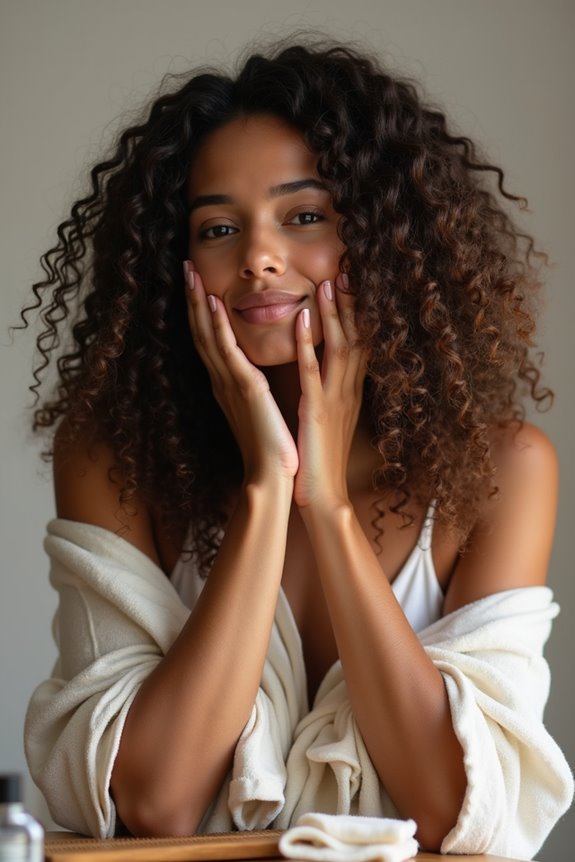
When you’re dreaming of longer, healthier curls, here’s what matters most: your mindset shapes your success. Hair grows about ½ inch monthly, so patience isn’t optional. It’s essential. You won’t see dramatic changes overnight, and that’s okay.
Self-love fundamentally changes how you care for your curls. Instead of fighting your texture, embrace it. This shift supports a growth mindset where you celebrate softer strands and improved manageability, not just length gained.
Your routine should combine moisture, protective styling, and scalp health practices. These aren’t quick fixes; they’re investments in long-term results. When you prioritize gradual progress over shortcuts, you’re building sustainable habits that work.
You belong in this community of curl-lovers committed to thriving hair.
Know Your Curl Pattern and Porosity

Your curl pattern and porosity are the two foundational elements that shape your entire hair care routine. Your curl type—whether you have wavy, curly, or coily hair—determines how much moisture and protection your strands need. Once you identify both your pattern and how your hair absorbs moisture, you’ll make better decisions about products and techniques that support stronger, longer curl growth.
Curl Pattern Classification System
Your curl pattern is like your hair’s fingerprint; it’s unique and determines everything from how you should moisturize to which products will work best for you. I use the standard classification system: Type 2 (Wavy), Type 3 (Curly), and Type 4 (Coily/Kinky), each subdivided into A, B, or C based on curl diameter.
Type 3 and Type 4 curls differ significantly. Type 3 curls are looser spirals, while Type 4 has tighter coils that require extra attention. Tighter curls are naturally drier and more fragile, demanding robust moisture strategies and gentler handling.
Your porosity, or how well your hair absorbs moisture, works alongside your curl pattern. Together, they guide your entire curly hair care routine. Consult the curl type guide to identify your specific subtype. This knowledge changes how you approach styling and maintenance, helping you build a personalized care plan that actually works for your hair.
Porosity And Moisture Needs
How well does your hair drink up moisture? That’s porosity, your hair’s ability to absorb and retain hydration. Understanding this matters because it shapes your entire curly hair care routine.
Your curl pattern hints at your porosity needs. Tighter curls struggle when sebum can’t travel down the strands, leaving them dry and brittle. This dehydration causes dullness, stiffness, and frizz that makes growing long hair challenging.
The LOC/LCO method helps you lock in moisture effectively. Apply a liquid first, then oil, then cream; or reverse the order for low-porosity hair. This layering technique boosts hydration where your curls need it most.
Experiment with the sequence that works best for you. Your curls will tell you what they’re craving.
Master Moisture With the LOC Method
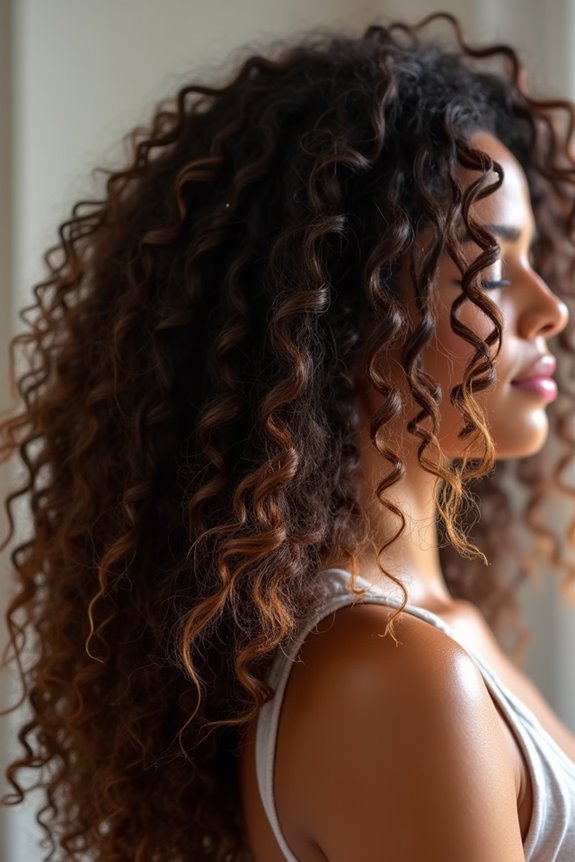
I’m going to show you how layering products correctly keeps your curl routine consistent and reliably hydrated. You’ll seal moisture effectively by understanding the specific order: liquid first on damp hair, then oil to trap that hydration, and finally cream for protection. This prevents the dullness and frizz that signal dehydration.
Adjusting this method by your hair’s porosity matters. Low-porosity curls might need lighter oils while high-porosity hair benefits from heavier butters. This way you customize your approach rather than following a one-size-fits-all method.
Layering Products Correctly
Once you understand how moisture moves through your curls, the LOC method becomes your tool for hydration. This layering technique—Liquid, Oil, Cream—transforms your wash day into a moisture-retention powerhouse.
Start with a water-based leave-in conditioner to hydrate your strands deeply. Next, seal that moisture with an oil, trapping hydration exactly where you need it. Finally, apply your curl cream to define curls and lock everything in place.
For low porosity hair, flip the order to LCO. Your curls absorb products differently, so swapping cream before oil optimizes penetration.
Adjust your amounts seasonally and based on your curl response. This intentional layering prevents dryness and frizz, keeping your growing curls healthy and resilient throughout your loc journey.
Sealing Moisture Effectively
Why does your curl cream sit on top of your hair instead of sinking in? You’re likely missing the sealing step in your routine.
I’ve learned that sealing moisture is important for long curly hair success. The LOC method works because oil creates a protective barrier. After applying water-based leave-in conditioner, I layer oil to lock in hydration. This prevents moisture from escaping through your curl’s cuticles.
For low porosity hair, I adjust to LCO instead: cream first, then oil. This order helps products penetrate properly. Without sealing, your moisture retention suffers. Your strands become brittle and prone to breakage.
The key is matching your sealing strategy to your porosity. This simple shift improves your curl care routine and supports healthier, longer growth.
Adjusting Method By Porosity
Your hair’s porosity determines how well it absorbs and holds moisture, and that’s exactly why the LOC method isn’t one-size-fits-all.
If you have low-porosity hair, your strands resist water absorption. You’ll want to adjust your approach: use lighter leave-ins, apply oils strategically, and consider LCO layering instead of traditional LOC. This switch helps prevent product buildup while maximizing hydration.
High-porosity hair drinks up moisture quickly but struggles with retention. You’ll benefit from heavier creams and more frequent sealing to lock hydration in.
Understanding your porosity changes how you approach your hair care. You’ll stop fighting your curl pattern and start working with it. This tailored moisture retention strategy keeps your curls hydrated and healthy, which supports length retention as the foundation for growing the long curls you want.
Build a Scalp-First Cleansing Routine for Growth
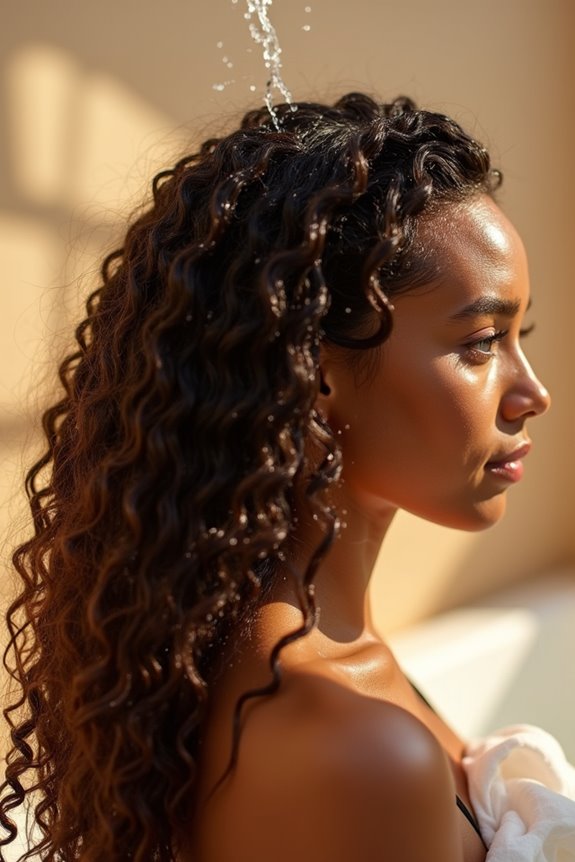
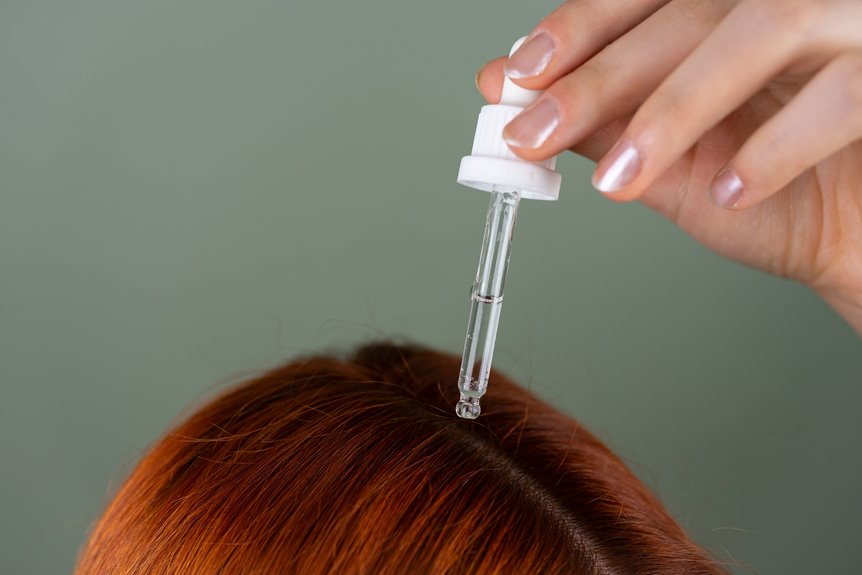
The foundation of healthy, growing curls starts at the scalp. Build a scalp-first cleansing routine that supports growth and belongs in your weekly regimen.
Start with co-washing between regular shampoos to maintain natural oils. Then use a gentle weekly shampoo like Prose to unclog follicles without stripping your scalp. This balanced approach preserves moisture while removing buildup.
Co-wash between shampoos to maintain natural oils, then use gentle weekly cleansing to unclog follicles without stripping your scalp.
Next, add a weekly hot oil treatment. Warm oil, massage your roots with a scalp massager, and leave it on for an hour before rinsing.
Finally, pair cleansing with deep conditioning and a mid-lengths-to-ends mask for strength and moisture. A healthy scalp environment is where longer curly hair thrives. This scalp-first routine gives your curls the foundation they need to grow strong and beautiful.
Protect Your Ends and Hair at Night
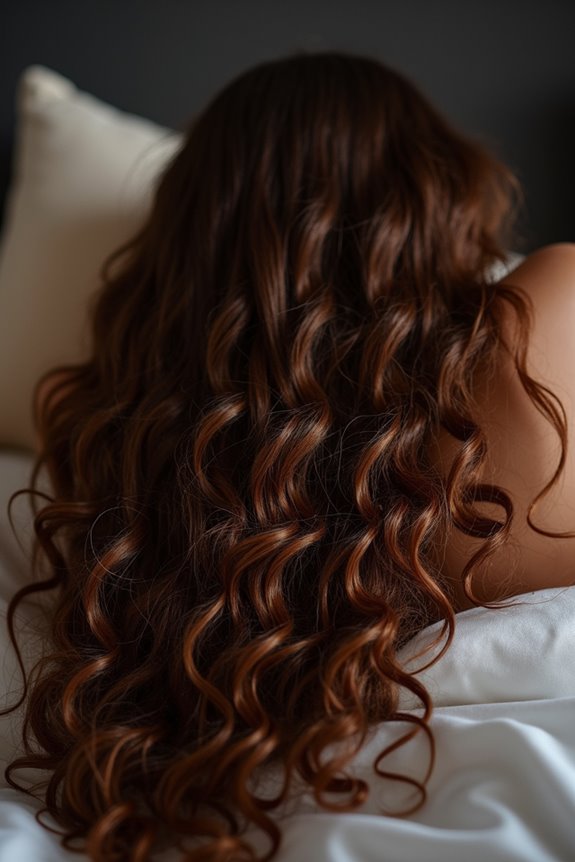
Once your curls start growing longer, protecting those ends becomes just as important as caring for your scalp. You’ll want to establish nighttime protection habits that reduce friction and moisture loss while you sleep.
I recommend sleeping on satin or silk pillowcases; they’re gentler than cotton. You can also try pineappling, which means gathering your curls on top of your head loosely. Alternatively, use protective styles like braids or twists before bed.
During the day, protective styles such as buns, cornrows, and halo braids minimize manipulation and environmental stress. Combine these techniques with regular trims every 8-12 weeks to remove split ends before they travel up your strands. This keeps your curls bouncy and uniformly shaped as they grow.
Trim Regularly and Avoid Heat Damage
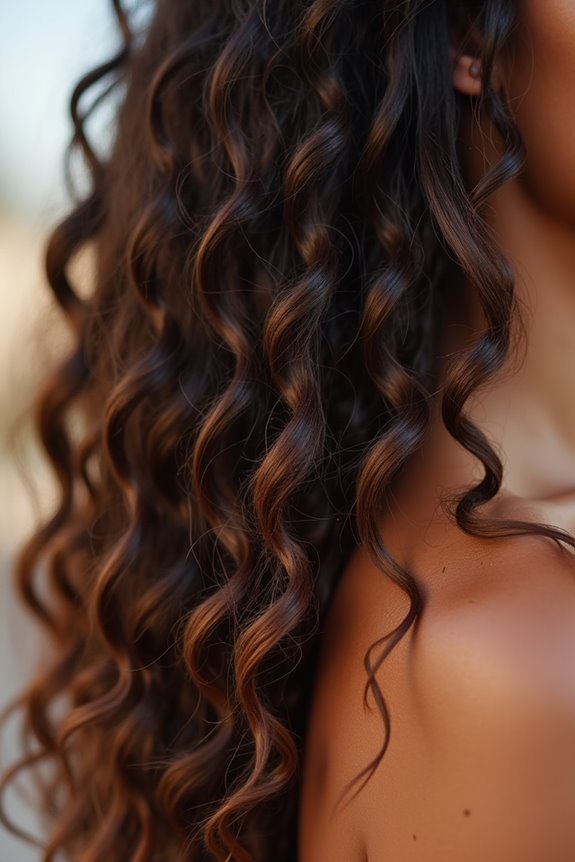
Regular trims are non-negotiable if you want healthy, growing curls. It sounds counterintuitive, but removing split ends actually helps your hair grow longer. When you skip trims, damage travels up each strand, creating breakage that masks your growth progress.
Aim for trims every 8–12 weeks to keep fairy knots and rough ends from forming. Your curls will stay bouncier and more uniform this way.
If you use heat styling, protect your strands properly. Apply a silicone-free heat protectant to clean, conditioned hair before using any tools. Keep temperatures at or below 300–350°F to prevent heat damage. Heat protection matters because damaged curls compromise your entire curl care routine and slow visible length gains significantly.
Fuel Growth From Within: Nutrition for Longer Curls
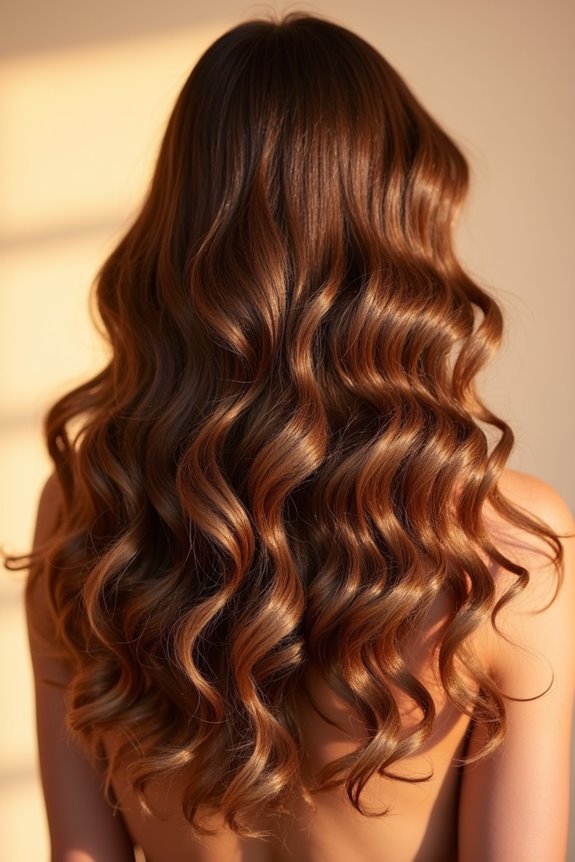
While external hair care sets the foundation for growth, what you eat matters just as much. Nutrition directly supports your curl journey from the inside out.
Your hair thrives on protein, iron, and zinc. Lean meats and protein-rich plant options strengthen each strand. Leafy greens deliver essential iron that boosts growth, while eggs provide complete protein and biotin for resilience.
Think of nutrition as fuel for your follicles. When you consistently eat foods supporting hair health, you’re investing in longer, healthier curls. Nuts add zinc and healthy fats that nourish your scalp.
You don’t need complicated meal plans. Simply include these nutrient-dense foods regularly. Your curls will reflect the care you take from within, rewarding your commitment with visible growth and strength.