Your hair grows approximately half an inch monthly, which amounts to six inches per year. To support this growth after a cut, follow these strategies:
Eat protein-rich foods like eggs and fish to strengthen your strands from within. Protein forms the building blocks of hair, so adequate intake directly supports growth.
Manage stress through exercise or meditation. Tension can disrupt your growth cycle, so controlling stress levels matters for maintaining healthy hair.
Apply weekly hydration masks to damp hair, then wrap it in a warm towel for five minutes. This treatment locks moisture into your strands.
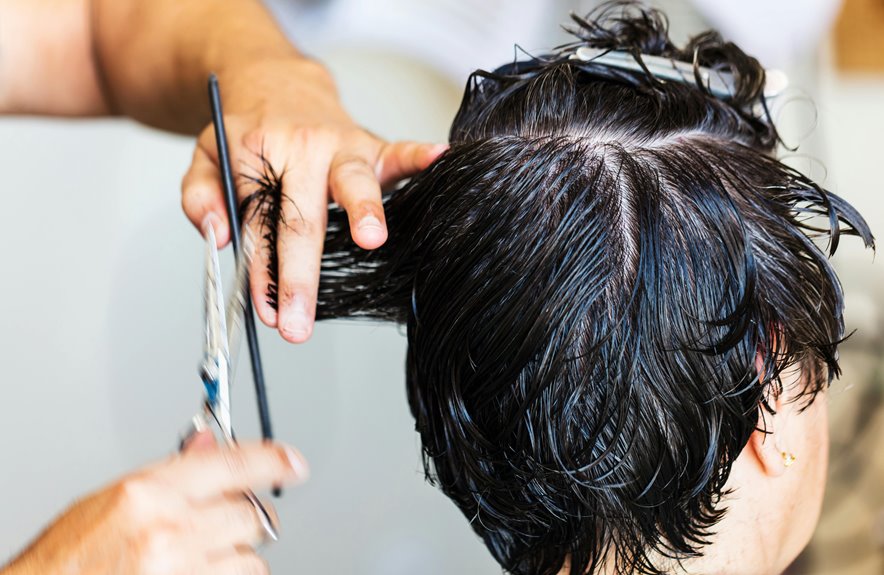
Schedule trims every six to eight weeks. Regular trims remove damaged ends that can split and weaken your hair.
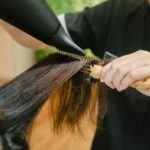
Use heat protection products before styling with any heat tools. This prevents damage that slows growth and weakens your strands.
These habits work together to support your hair’s natural growth potential. Consistency with all of them produces better results than focusing on just one approach.
Understand Realistic Hair Growth Timelines
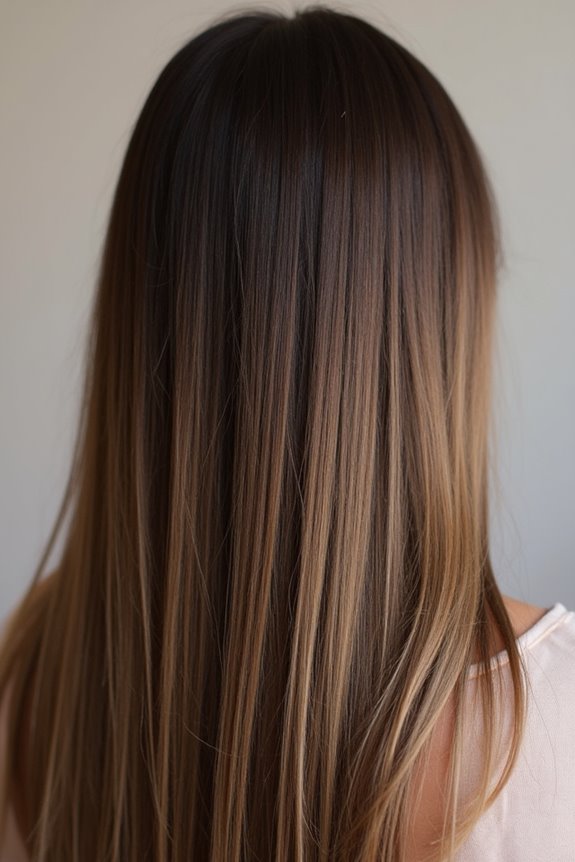
Ever wonder why your hair doesn’t grow back overnight after a trim? Your hair’s growth cycle explains it. Hair grows in phases: a long growth stage lasting 2 to 8 years, then shorter transition and resting phases totaling about 5 to 6 months combined.
Hair grows in phases: a 2-8 year growth stage followed by transition and resting phases lasting 5-6 months combined.
Here’s what matters for your hair length potential: you’re looking at roughly half an inch monthly, sometimes reaching three-quarters of an inch with solid nutrition. That means growing out a fresh cut takes time and patience. Setting realistic expectations helps you track progress effectively.
About 90 to 95% of your follicles actively grow during the growth phase. Understanding these timelines allows you to plan your hair care strategy with confidence and recognize incremental progress throughout your growth journey.
Prioritize Protein to Support Hair Growth

Why does protein matter so much for your hair? Your hair strands are made of keratin, a protein that needs constant support. When you consume adequate protein, you’re giving your body the building blocks it needs for stronger, healthier hair growth.
Include protein-rich foods like eggs, oily fish, beans, nuts, and lean meats in your daily meals. These sources help prevent your body from diverting protein to critical functions, leaving more available for your hair.
Here’s the reality: adequate protein intake won’t speed up hair growth directly, but it will support fuller-looking, healthier results. Pair your protein intake with balanced nutrition and hydration to optimize your hair’s growth environment. This inside-out approach creates the foundation your hair needs to thrive.
Reduce Stress and Treat Scalp Inflammation

When stress builds up in your life, your body responds. Your scalp often pays the price. Managing stress directly impacts how well your hair grows after a cut. You can reduce stress through regular exercise, spending time outdoors, or practicing relaxation techniques like meditation. These activities lower shedding rates and create better conditions for growth.
Scalp inflammation also matters. If you’re experiencing itching or flakiness, switch to anti-dandruff shampoos or gentle, sensitive-formula products. Avoid harsh chemical treatments that irritate your scalp further. Treat your scalp with care; it’s the foundation where your hair thrives. Combined with hydration and balanced nutrition, managing stress and inflammation gives your follicles the healthy environment they need to flourish.
Hydrate and Nourish Weekly With Masks
Your hair’s moisture level directly affects how quickly it grows after a cut. Weekly masks transform my hair’s health and appearance significantly. These treatments deliver intense hydration that reduces visible damage and strengthens strands from root to tip.
Here’s my routine: I apply the mask to damp hair, wrap it in a warm towel for five minutes, then rinse thoroughly. This technique maximizes absorption and product effectiveness. The hydration helps detangle my strands, making them less prone to breakage during styling.
Regular mask use supports smoother, more manageable hair between washes. You’ll notice improved texture within weeks. By committing to this weekly practice, you’re investing in healthier growth and a polished appearance that shows you care about your hair’s wellbeing.
Get Regular Trims and Protect From Heat Damage
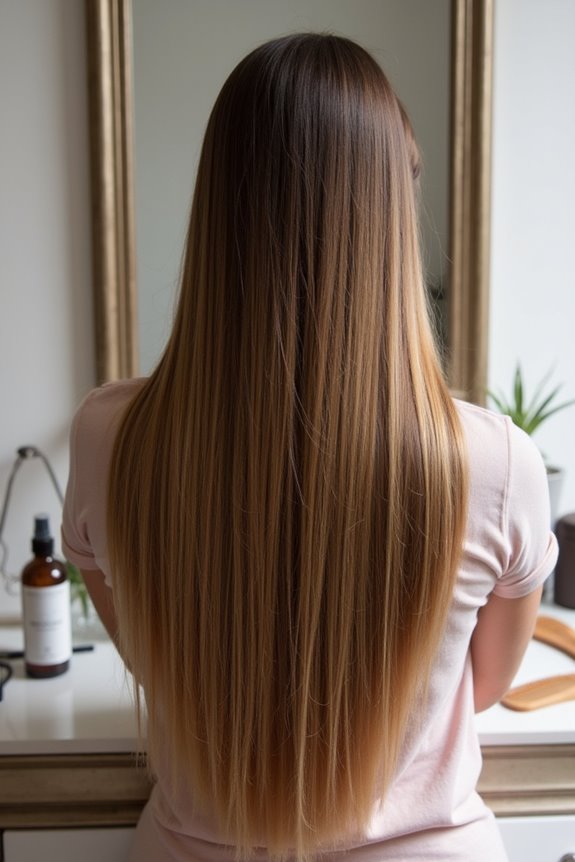
I’ve learned that trimming every 6 to 8 weeks makes a real difference in how healthy my hair looks and feels. Regular trims remove split ends before they travel up your hair shaft, which prevents breakage and keeps your strands looking fuller.
Here’s what I do: I pair my trims with heat protection strategies. Before using any hot tools, I apply a heat protectant spray to my ends. This simple step preserves length by preventing heat-related damage.
You’ll notice your hair appears thicker and more even-textured after a neat cut. While trims don’t actually speed up growth, they support healthier-looking results by reducing frizz. Think of regular trims as maintenance that lets your hair look its best.