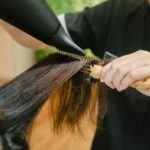
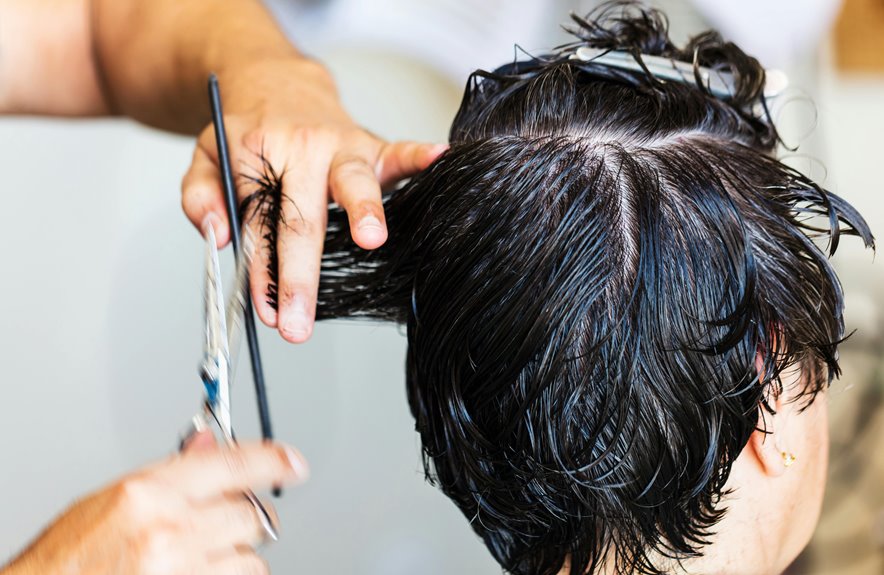
A precision haircut is a controlled, intentional approach where I shape your hair using specific techniques: elevation, sectioning, and texturizing to create sharp, balanced lines.
I customize the cut to match your face shape and hair type, whether you have straight locks needing crisp perimeter work or curls requiring specialized layering.
This isn’t just a trim; it’s strategic sculpting.
Understanding how these techniques work together produces the results you’re looking for.
What Sets a Precision Haircut Apart
Ever wondered why some haircuts look effortlessly polished while others fall flat within weeks?
That’s precision haircutting at work. I’m talking about the difference between a basic trim and a strategically designed style that actually flatters you.
Here’s what separates the two: controlled techniques. Professional stylists use elevation and over-direction, which are strategic angles that shape each section intentionally. They don’t just cut; they sculpt. Through meticulous sectioning, they create sharp lines and balanced proportions that complement your face shape and hair type.
This isn’t random. Every angle matters. Every transition flows with ease into the next. The result is a tailored cut that looks intentional, not accidental.
You’ll notice the difference immediately. Those polished styles you admire are built on precision haircutting fundamentals. That’s your baseline for a cut worth investing in.
Key Techniques That Define Precision Cutting
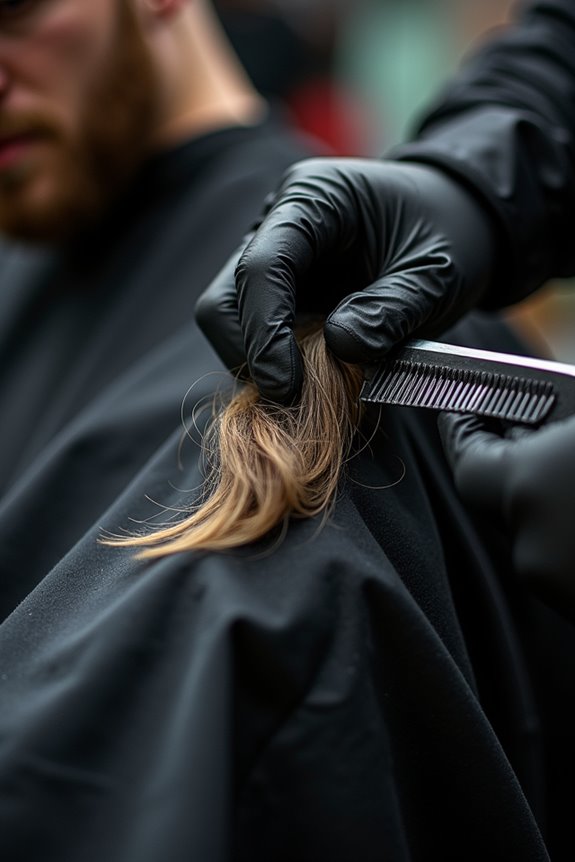
What makes a precision haircut actually stay sharp for weeks? It’s the techniques behind it.
Sectioning lets me divide your hair systematically. This geometric approach gives me control and produces consistent results throughout.
Systematic sectioning with geometric precision gives me complete control and ensures consistent results throughout your entire haircut.
Elevation is how I lift hair at specific angles. I’m sculpting volume and controlling length simultaneously.
Over-direction takes this further by directing hair away from its natural fall to create intentional shape and movement.
Angle management matters tremendously. Calculating exact cutting angles gives you symmetrical edges and smooth transitions.
Finally, texturizing adds dimension without losing those clean lines. I use slide cutting, point cutting, and controlled layering.
These techniques work together, creating a customized cut that flatters your hair type and face shape.
Match Your Precision Cut to Your Face Shape and Hair Type
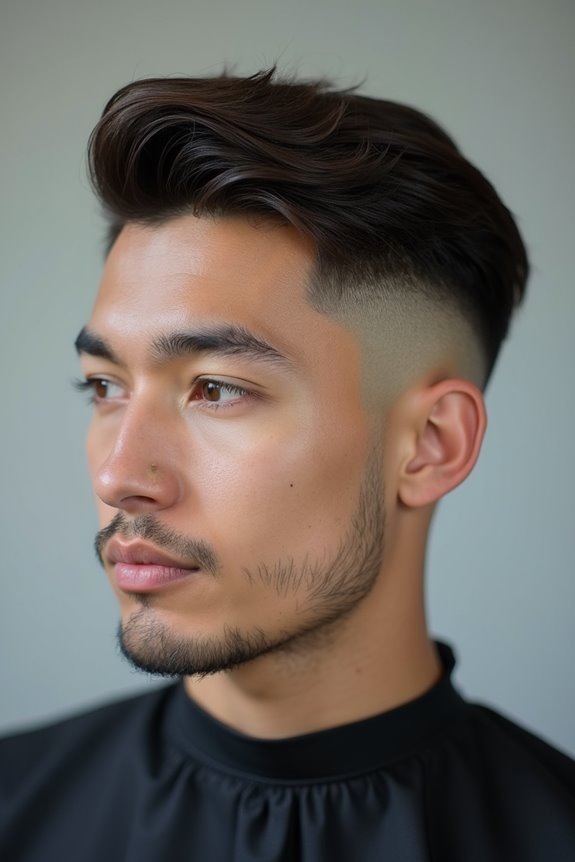
Now that you understand the techniques I use, we can shape your cut to work specifically with your features. I’ll match your precision haircutting plan to both your face shape and hair type for results that work for you.
Your face shape guides everything. Here’s how I customize your cut:
- Oval faces benefit from longer lengths and soft layering that enhance natural balance
- Square faces need strategic perimeter cuts to soften jawlines with angled edges
- Round faces require height at the crown and textured layers for dimension
- Straight hair works beautifully with sharp perimeter cuts and minimal texturizing
- Curly hair thrives with point cutting and specialized layering that preserves your curl pattern
I’ll maintain symmetry and smooth transitions throughout your cut, creating a cohesive style that grows beautifully. During our consultation, I’ll confirm how this precision approach aligns with your natural texture and daily routine.
Preparing for Your Precision Cut: Pre-Appointment Essentials
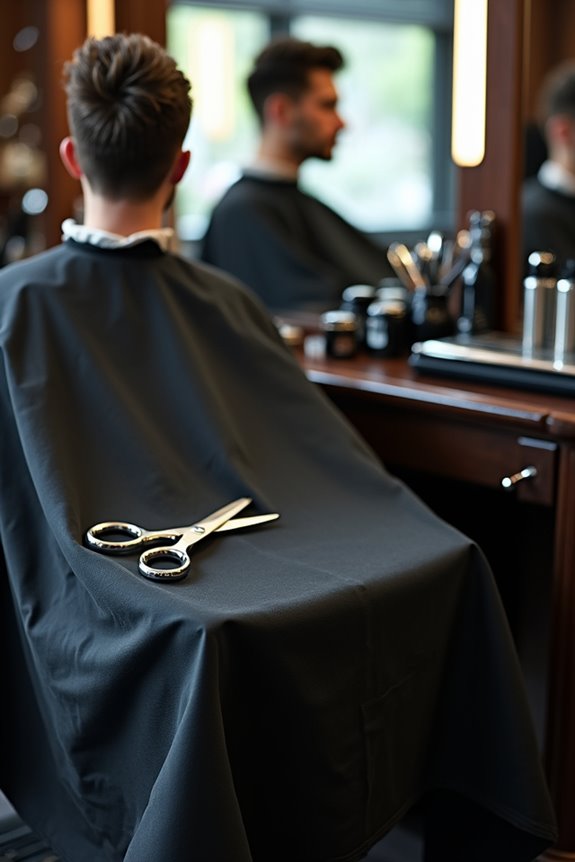
How you prepare before sitting in my chair impacts your results. Your pre-appointment preparation sets the foundation for success.
| Preparation Step | Why It Matters | What To Do |
|---|---|---|
| Gather reference photos | Clarifies your vision | Bring 3-5 images showing desired length, texture, and style |
| Discuss your lifestyle | Ensures practicality | Share daily styling time and maintenance commitment honestly |
| Describe natural texture | Guides technique selection | Explain your curls, waves, or straight hair behavior |
Communication about your styling habits and natural texture helps me customize the cut to your needs. Bring reference photos that showcase your goals clearly. Ask about my precision-cut experience and request portfolio examples. Plan for a longer appointment duration; precision cutting requires meticulous sectioning and clean detailing. When you arrive prepared, we’re both invested in creating your ideal look.
Popular Precision Styles You Should Know
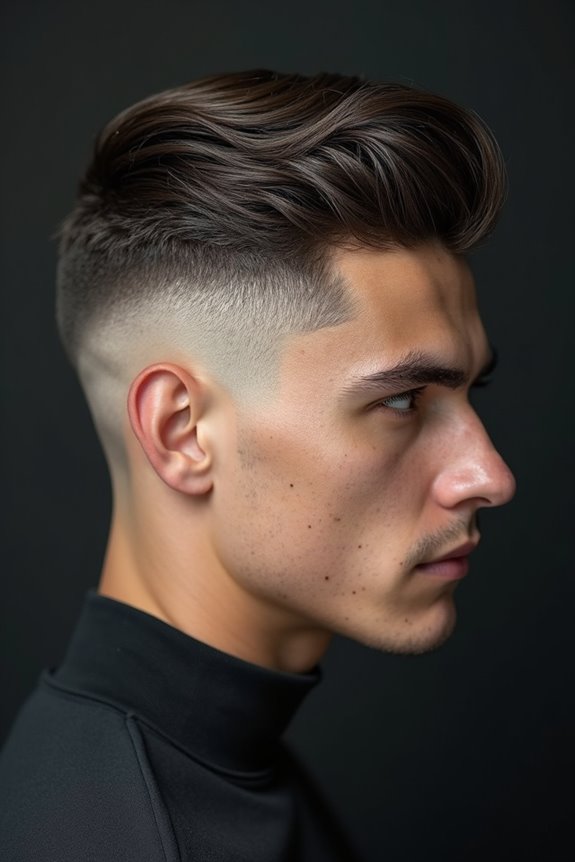
Once you’re ready for your precision cut, understanding the main styles helps you communicate your vision distinctly. Below are five essential precision haircutting styles that deliver sharp results for different preferences.
- Classic Taper: Gradual top-to-sides blending with clean edges for versatile, elevation-focused looks
- Crew Cut: Short sides paired with a longer, precisely cut top emphasizing uniform length
- Fade: Seamless texture transition from short to long, available in high, mid, or low options
- Undercut: Dramatic contrast between very short sides and a distinct, longer top
- Side Part: Structured parting with shorter sides and longer top swept aside
Each style takes your face shape and cutting angles into account. Knowing these options allows you to discuss texture preferences and clean edges confidently with your barber or stylist.
Maintaining Your Precision Cut Between Appointments
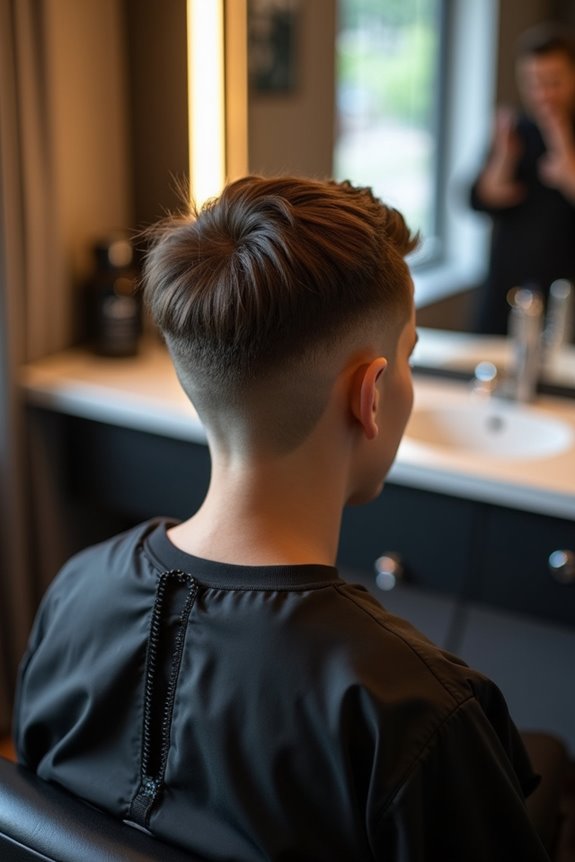
Keeping that sharp, clean look you’re paying for starts with three essential areas: the right home care products, a consistent trim schedule, and smart styling habits that protect your cut’s crisp lines.
Home Care Products
Your styling routine begins at home. Invest in a quality shampoo and conditioner formulated for your hair type. These products maintain the shape and integrity of your cut by keeping hair healthy and manageable. Look for formulas that won’t weigh down your style or create unwanted texture.
Trim Schedule
Precision cuts require maintenance. Most cuts benefit from a trim every three to four weeks. This timing prevents split ends from traveling up the hair shaft and keeps the lines of your cut defined. Skipping trims allows the shape to soften and lose its intentional structure.
Styling Habits
How you style matters just as much as what products you use. Use a blow dryer on a lower heat setting to prevent damage that compromises your cut’s shape. Apply product to damp hair before styling for better control and longer-lasting results. Avoid excessive brushing when hair is wet, as this causes breakage and distorts the cut’s lines.
Between appointments, these three practices work together to preserve the precision you’ve invested in. The better you maintain your cut at home, the sharper it will look when you return for your next trim.
Home Care Products Essentials
Why do precision cuts lose their crisp definition so quickly without proper maintenance? Your haircare routine determines whether you’ll keep those sharp lines or watch them fade. I’m here to guide you toward products that truly work.
You’ll need these essentials in your precision haircutting maintenance arsenal:
- Sulfate-free shampoo: preserves cuticle integrity and color vibrancy
- Leave-in conditioner: reduces frizz without weighing hair down
- Heat protection spray: rated for 230°C (450°F) tolerance
- Microfiber towel: minimizes friction during drying
- Smoothing serum: enhances control on mid-lengths and ends
Building this haircare routine isn’t complicated. You’re investing in products that respect your investment in precision haircutting. These essentials work together, keeping your cut looking fresh between appointments while you join others who understand quality haircare.
Regular Maintenance Trim Schedule
How long your precision cut stays sharp depends entirely on one thing: consistent trims. I recommend scheduling appointments every 4 to 6 weeks to keep your cut looking engineered and intentional.
Here’s why this matters: your hair grows constantly. Without regular trims, you’ll notice uneven edges and lost symmetry. That polished shape retention you loved disappears fast.
I suggest keeping reference photos handy. Compare them to your current growth. This helps you spot when maintenance is needed.
Schedule your next appointment before you think you need it. This proactive approach preserves the precision haircutting work your stylist invested. Your maintenance schedule becomes your strategic advantage for staying sharp. You’re protecting that investment, and belonging to the precision haircut community means understanding this commitment.
Styling Techniques And Protection
Your precision cut’s sharpness between appointments depends on what you do at home. I’m going to show you how simple daily habits protect your sectioning and elevation work.
Heat styling can dull those crisp lines fast. That’s why I recommend these protective practices:
- Apply heat protection spray before any blow-drying or flat-ironing
- Use moderate heat settings to prevent damage and frizz reduction
- Brush gently with quality boar-bristle brushes for texture preservation
- Sleep on satin or silk pillowcases to reduce friction
- Minimize heat styling altogether when possible
You’ll notice your precision cutting stays sharper longer when you’re intentional about protection. These aren’t complicated steps; they’re just smart choices that keep your cut looking fresh and maintained between visits.
Why Precision Cutting Demands Skilled, Experienced Stylists
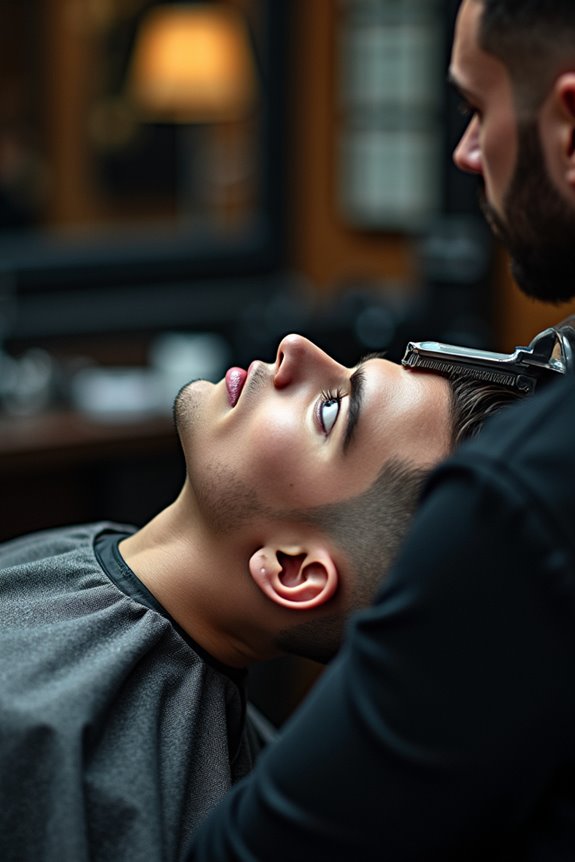
What separates a great haircut from an ordinary one? The stylist’s mastery of elevation, sectioning, and texturizing. Precision cutting isn’t something you pick up overnight; it requires years of dedicated practice and advanced training.
When I work with a client, I’m using professional tools like quality shears and razors to engineer symmetry and smooth transitions. I tailor techniques to match their face shape and hair texture. This personalization matters significantly.
Without this expertise, you’ll notice uneven lines and poor growth patterns. I focus on perimeter cutting and ongoing maintenance because that’s what keeps your haircut looking sharp as it grows out. That’s what skilled stylists deliver.